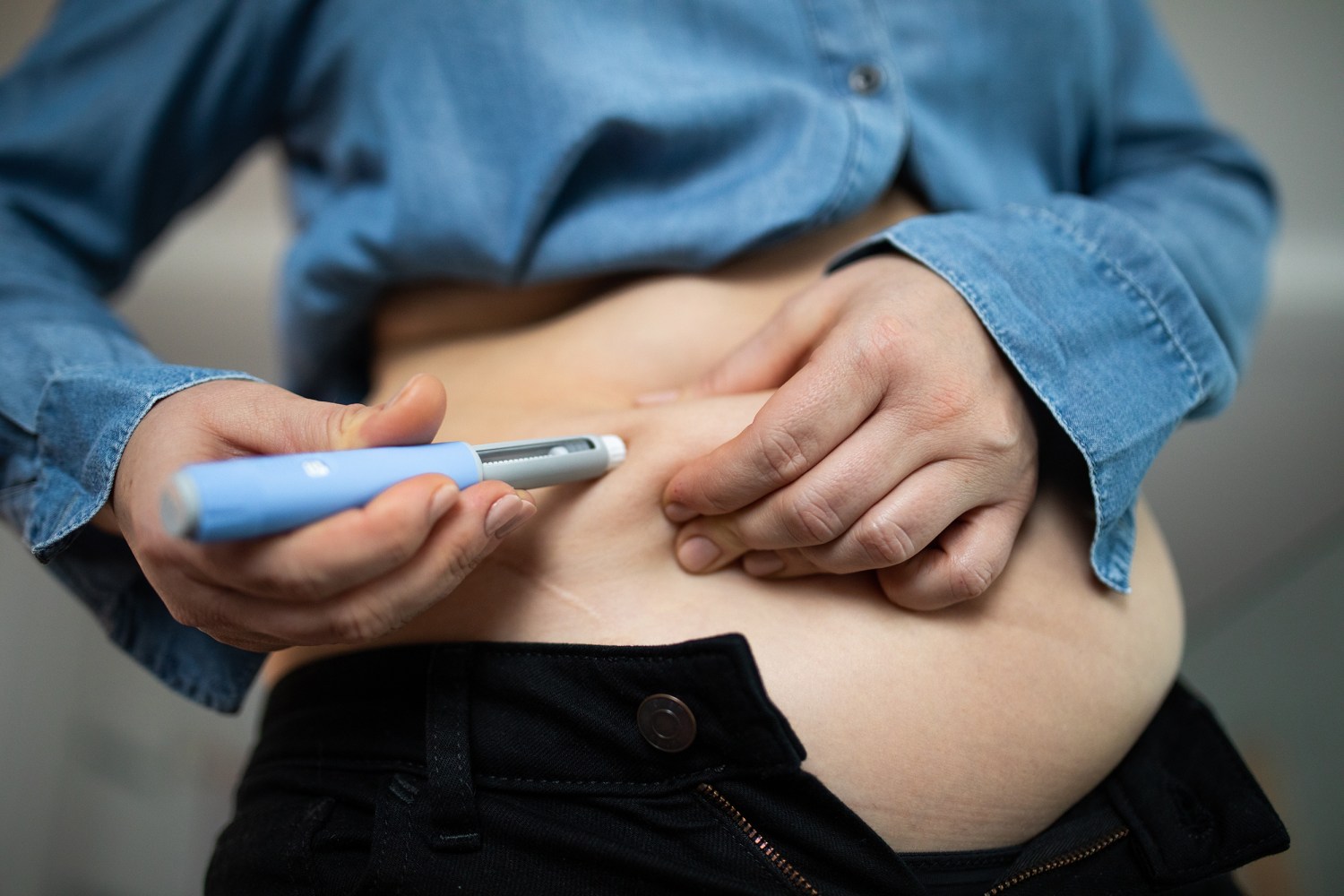
A surge in online sales of GLP-1 weight loss drugs, including compounded versions, has raised significant overdose and safety concerns, according to a KFF Health News investigation. The report highlights a 'perfect storm' created by past shortages of brand-name drugs like Ozempic, Mounjaro, and Trulicity, which has fueled the growth of telehealth companies offering cheaper compounded alternatives. Compounded GLP-1s are produced by mixing active ingredients such as semaglutide with additives, often sourced from overseas suppliers, and are not reviewed by the U.S. Food and Drug Administration (FDA) for safety. Emily Hilliard, a spokesperson for the Department of Health and Human Services, stated that compounded drugs 'should only be used in patients whose medical needs cannot be met by an FDA-approved drug.' A KFF Health News data analysis of the FDA's Adverse Event Monitoring System found that medication errors with popular weight loss drugs surged from just over 2,000 reports in 2020 to over 25,000 in 2025. These self-reported events involved semaglutide, tirzepatide, dulaglutide, and liraglutide. The data does not distinguish between errors from telehealth prescriptions and in-person visits, but reflects the widespread use of these drugs. In a separate action, the FDA accused Novo Nordisk, maker of Wegovy and Ozempic, of failing to report some adverse events, including suicidal ideation and death. America's Poison Centers also noted reports of 'accidentally taking 10-times the recommended dose due to confusing measurement units while using a syringe.' Telehealth companies have faced criticism for not adequately informing patients about risks or the complex delivery system of injectable drugs. While pharmaceutical companies must list side effects in ads for FDA-approved medications, telehealth companies have historically not followed the same rules. The FDA has begun cracking down on misleading drug ads.
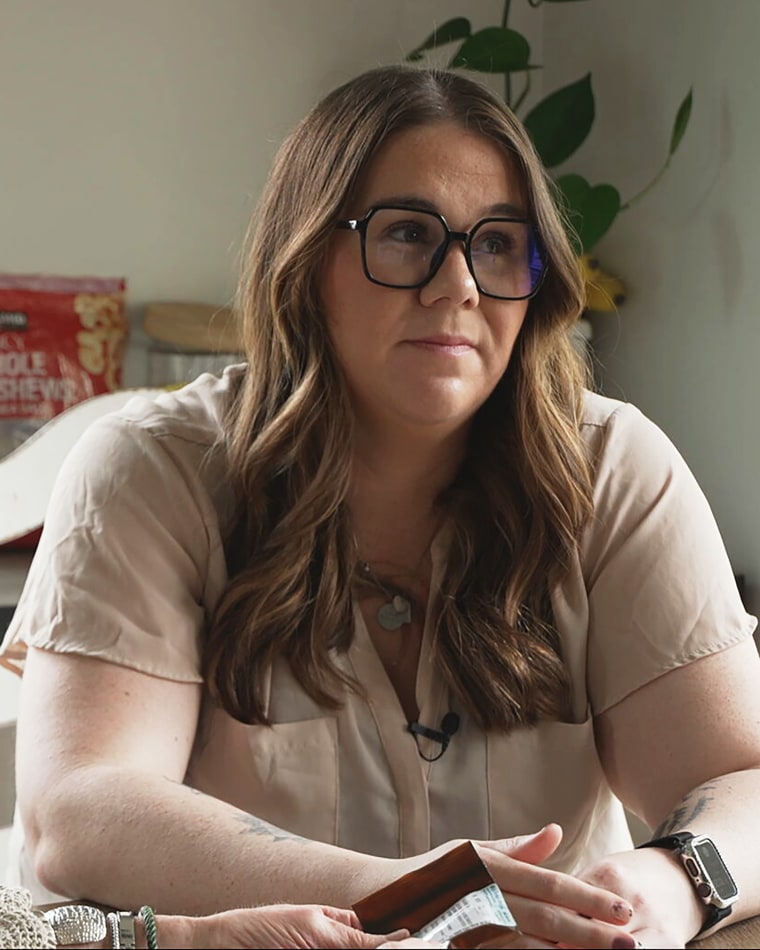
The end of a national shortage of weight loss medications in 2022 opened the door for compounding pharmacies, but since the shortage was declared over last year, these companies face increasing legal and regulatory challenges. Eli Lilly and other drugmakers are suing multiple telehealth companies for promoting compounded versions of their drugs. In one lawsuit, Eli Lilly alleged Mochi Health engaged in 'deceptive' business tactics. Mochi Health's lawyers called the complaint part of a 'nationwide campaign to bolster Lilly's profits by dictating patient care through the elimination of compounded drugs as a treatment option for weight management.' The lawsuit is ongoing. Eli Lilly spokesperson Michael Jamison said the telehealth companies threaten 'patient safety by falsely promoting supposedly 'personalized' compounded tirzepatide' and mislead 'consumers about the safety, clinical testing, and effectiveness of their compounded knockoffs.' The FDA also issued warnings to companies like Hims & Hers for making false or misleading claims about compounded weight loss drugs. Abby Reisinger-Moley, a spokesperson for Hims & Hers, pointed to changes made in response to an FDA letter. Alex Smith, CEO of Join Josie, an online platform for menopause-related weight loss, said his company removed its name from medication vials after an FDA letter, agreeing that 'you don't want patients thinking you're the compounding pharmacy.' The report also details the case of Karleigh McClain, a 31-year-old compliance consultant from Hendersonville, Tennessee, who was hospitalized within 24 hours of injecting a dose of a weight loss medication from a telehealth doctor. She experienced severe vomiting and could not keep anything down. After her overdose, she spoke with a clinical director at Mochi Health about lingering symptoms before communication paused.
Source: Read the original report | Published: May 28, 2026