
Vietnam's Ministry of Health (MoH) has proposed that individuals responsible for cosmetic manufacturing and quality control must hold a university degree in a relevant field, according to a draft decree on cosmetic management currently under review. The draft, open for public comment until June 2026, includes several new provisions aimed at improving the quality of domestically produced cosmetics and curbing the proliferation of low-quality products. Specifically, the draft regulation on cosmetic manufacturing conditions requires that each facility have one production manager and one quality control manager present during operating hours. These individuals must hold at least a university degree in pharmacy, chemistry, pharmaceutical chemistry, biotechnology, biology, food technology, or chemical engineering related to the product type being manufactured. Additionally, they must have at least two years of practical experience in a facility producing cosmetics, pharmaceuticals, health supplements, or medical devices. Compared to current regulations, which only require the production manager to have expertise in chemistry, biology, pharmacy, or other relevant fields, the new proposal adds specific degree and experience requirements.
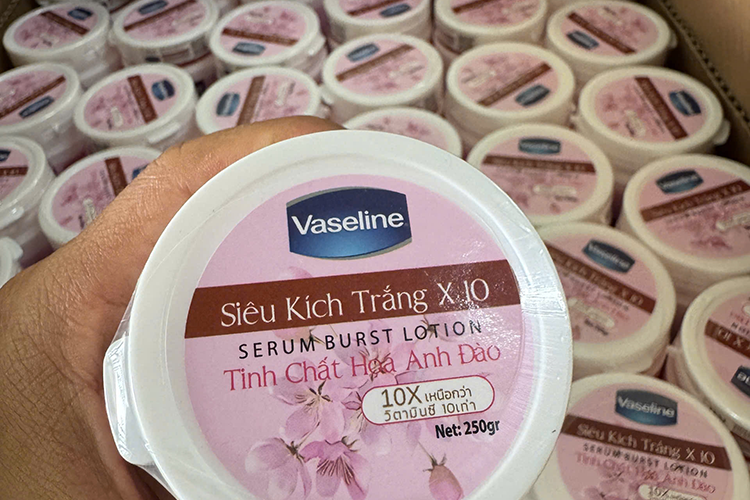
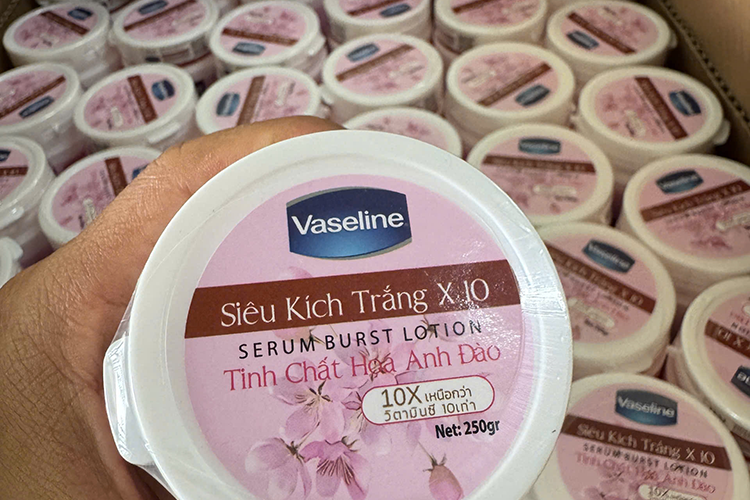
A senior official from the Drug Administration of Vietnam, the drafting body, told VietNamNet on May 28 that the proposal aims to enhance the capacity of equipment and personnel in cosmetic manufacturing, prevent the spread of low-quality cosmetics that are easily produced, and improve the quality of domestically produced cosmetics to meet export demand. Many experts consider the proposal reasonable, given that authorities have recently uncovered numerous cases involving the production of large quantities of counterfeit cosmetics. For example, in April, police in Ho Chi Minh City raided a facility that produced homemade whitening creams labeled as imported goods. The draft decree also defines cosmetics as substances or mixtures intended to be placed in contact with external parts of the human body (epidermis, hair, nails, lips, external genitalia) or teeth and oral mucosa, for the primary purpose of cleaning, perfuming, changing appearance, protecting, keeping in good condition, or correcting body odors.
Notably, the draft proposes eliminating the requirement for content approval for cosmetic advertisements. Instead, advertisements must comply with published information about the cosmetics and adhere to advertising laws, with post-market surveillance as the focus of management. To facilitate professional inspection and quality control, the draft classifies cosmetics into three risk groups—high, medium, and low—based on formulation composition, target users, contact site, application method, exposure level, safety margin, compliance history, and actual safety information. The Minister of Health is tasked with issuing detailed classification criteria and product group lists for risk management. The Drug Administration also stated that the draft proposes replacing the concept of "product notification receipt number" with "management number" to facilitate post-market inspection.

Regarding administrative procedures, until December 31, 2028, the MoH will continue to accept and process applications for imported cosmetics, while provincial health agencies under provincial People's Committees will handle applications for domestically produced cosmetics. From 2029 onward, provincial health agencies will accept and process all procedures related to content publication, updates, and changes for all cosmetics from organizations and individuals headquartered in their provinces. The draft also clearly defines the responsibilities of chairpersons of provincial People's Committees for state management of cosmetic production, distribution, and trading, strengthening inspection and supervision of compliance in cosmetic production and trading within their provinces.
Source: Read the original report | Published: May 28, 2026