
A growing wave of Taiwanese consumers is traveling to Shanghai for cross-border aesthetic procedures, driven by Chinese social media platforms like Xiaohongshu and Douyin. This trend, centered on trends such as 'baby face' and 'swan neck,' offers cost advantages and high-volume clinical experience but raises concerns about information asymmetry, post-op care, and regulatory gaps. For overseas buyers and distributors, this signals shifting demand patterns and potential supply-chain opportunities in the Greater China aesthetic market.
Market signal
The cross-border aesthetic trend from Taiwan to Shanghai reflects a broader shift in consumer preferences within the Chinese-speaking world. Taiwanese patients, particularly young women and influencers, are increasingly choosing Shanghai over traditional destinations like South Korea for procedures. This is fueled by social media aesthetics—'baby face' (youtai lian), 'elf ears,' and 'swan neck'—which emphasize a youthful, coordinated look. The market is driven by 'channel hospitals' that use intermediaries, known as 'bees,' from beauty salons, gyms, and nail shops to refer clients, creating a unique distribution model.
Sourcing context
Shanghai's aesthetic market benefits from a massive patient volume, with some doctors performing hundreds of similar procedures monthly, leading to refined techniques. Prices are often lower than in Taiwan or South Korea, and language barriers are minimal for Taiwanese clients. However, the market also sees risks: some clinics prioritize aggressive results over safety, and post-op complications can arise after patients return home. For suppliers, this highlights demand for high-quality consumables, devices, and training that align with Chinese aesthetic trends.
What buyers should watch
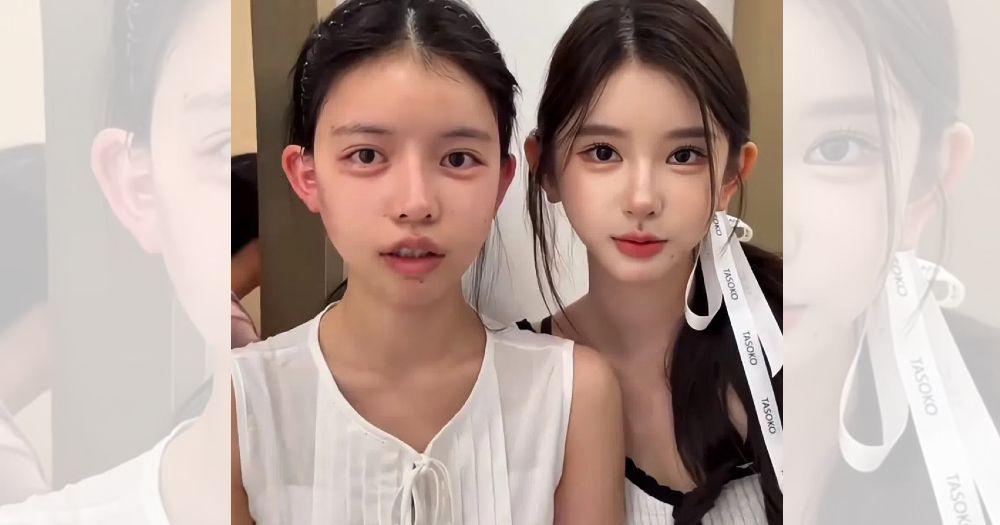
Distributors and clinic buyers should monitor the rise of 'channel hospital' models, which rely on non-medical intermediaries. This creates opportunities for B2B partnerships with clinics that prioritize transparency and safety. The trend also underscores demand for products supporting 'baby face' and 'swan neck' procedures—such as hyaluronic acid fillers, ear implants, and neck contouring devices. Regulatory developments, like proposed intermediary licensing in China, could reshape market access.
Regulatory and channel signals
Taiwan's health authorities discourage cross-border medical tourism through intermediaries due to risks, while Chinese regulators are pushing for better intermediary oversight. Taiwanese practitioners note that some procedures popular in Shanghai, like elf ear injections, carry anatomical risks not emphasized in marketing. For overseas buyers, this means due diligence on clinic credentials and post-op support is critical. The proposed non-profit consumer protection association by a key influencer may signal future industry self-regulation.
Key quote
'Medical aesthetics is a practice, not a gamble,' says Hong Luoyan, a Taiwanese influencer and aesthetic design director in Shanghai, who has invested over 1.9 million RMB in her own transformations. She emphasizes that patients should avoid low-cost clinics that may use inferior materials or inexperienced doctors, as 'some become aesthetic orphans.'
Source: Read the original report | Published: June 09, 2026