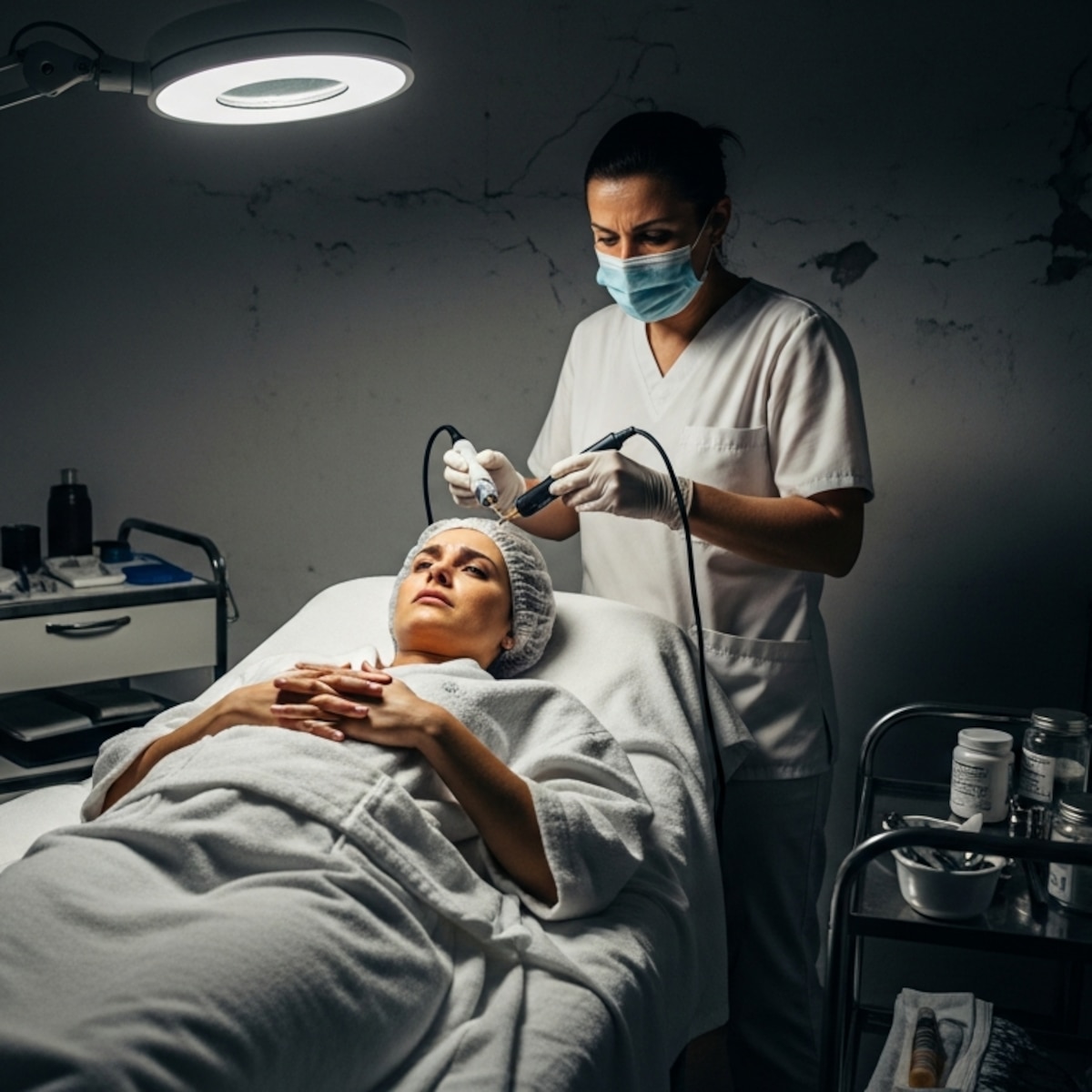
Bogotá, Colombia, has recorded 13 deaths and 174 injuries from irregular aesthetic procedures between 2024 and 2026, alongside 686 clinics operating without health authorization, according to city councilor Rocío Dussán Pérez. The findings, obtained via a formal petition to the District Health Secretariat, highlight systemic oversight failures in a booming market. For overseas buyers and distributors of aesthetic devices and consumables, this signals heightened regulatory scrutiny and potential demand for compliant, high-quality equipment and supplies in the Colombian capital.
Regulatory gaps exposed
The Health Secretariat identified 686 unlicensed facilities and received 494 complaints about irregular procedures during the period. Councilor Dussán criticized the stark disparity between 113 open administrative investigations and only three final sanctions imposed. She stated, "What this document reveals is unacceptable. Bogotá cannot keep burying women in the name of institutional vanity. It wasn't a single entity that failed; the entire system failed." The city has only 31 inspectors to monitor high-risk aesthetic equipment clinics, a force deemed insufficient for a population exceeding eight million.
Clinical complications and underreporting
Reported complications include 82 cases of embolism, 77 hemorrhages, and 294 hospitalizations linked to aesthetic procedures. Severe infections, necrosis, sepsis, and perforations requiring intensive care were also documented. The Health Secretariat acknowledged that not all complications reach emergency services or are officially reported, suggesting actual numbers may be higher. One cited case involved Yulixa Toloza, who received treatment at a facility registered as a hair salon, illustrating how illegal practices hide within legitimate business categories.
What buyers should watch
For international suppliers of aesthetic devices, injectables, and clinic consumables, Bogotá's crackdown signals a shift toward stricter enforcement. Distributors should verify that their products meet Colombian health regulations and that partner clinics hold proper sanitary authorization. The demand for compliant, high-quality equipment may rise as authorities target unlicensed operators. Buyers can also anticipate increased interest in training and certification programs for safe procedure delivery, creating opportunities for suppliers who emphasize regulatory compliance and clinical safety.
Sourcing context
Bogotá's aesthetic market remains robust despite these issues, with demand for treatments continuing to grow. The city councilor has called for an emergency plan to boost inspections, increase staffing, and create public tools to verify clinic credentials. For overseas OEMs and distributors, this environment underscores the importance of aligning with reputable local partners who prioritize legal compliance. The situation may also spur demand for advanced safety features in devices and consumables that help clinics meet stricter oversight standards.
Source: Read the original report | Published: June 15, 2026