
Bogotá city councilor Rocío Dussán has revealed that between 2024 and 2026, 13 people died and 174 were injured from illegal aesthetic procedures in Bogotá, with 686 unlicensed clinics identified. The crisis highlights weak regulatory oversight—only 31 inspectors for a city of 8 million—and a system that reacts only after tragedies. For overseas distributors of aesthetic lasers, injectables, and consumables, this signals a volatile market where unauthorized clinics may bypass legitimate supply chains, increasing liability and reputational risk for compliant buyers.
Scope of the crisis
According to data from the Bogotá District Health Secretariat, between 2024 and 2026, 13 fatalities and 174 injuries were linked to irregular aesthetic procedures. The secretariat received 494 complaints, identified 686 establishments operating without health authorization, and opened 113 investigations. Yet only three final sanctions were imposed against aesthetic centers in that period. The numbers underscore a systemic enforcement gap.
Regulatory and channel signals
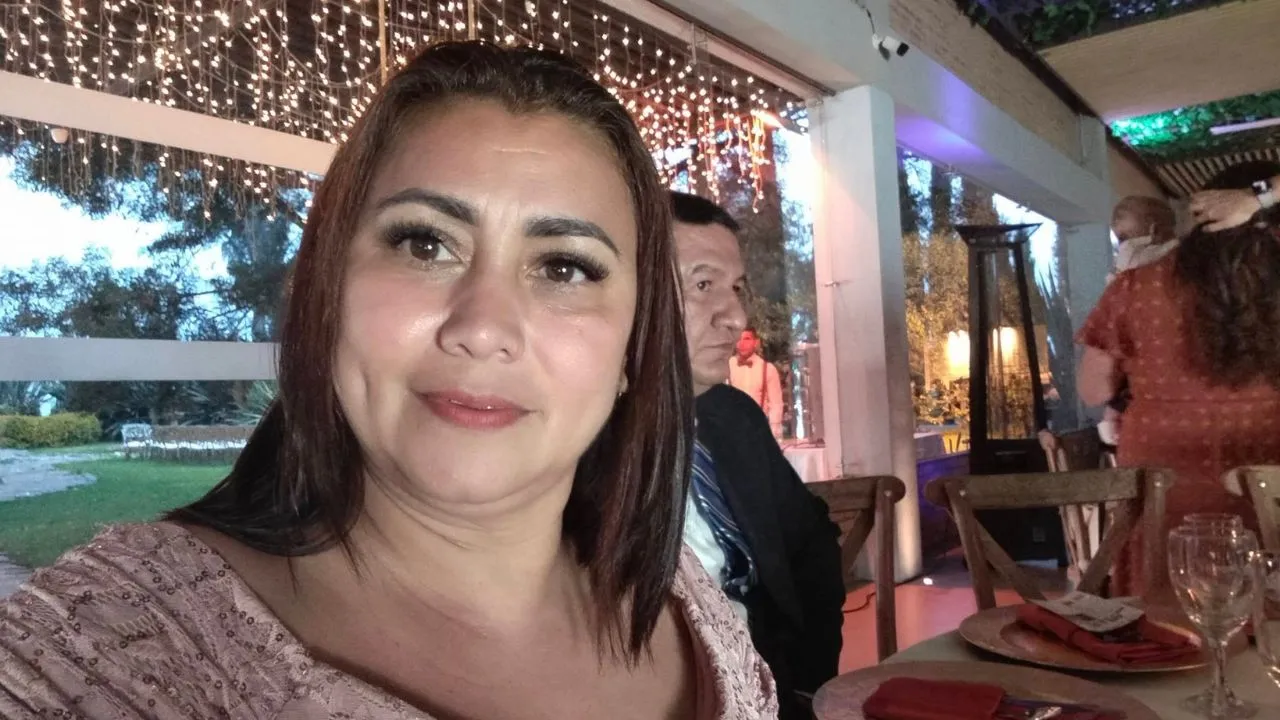
Councilor Dussán criticized the inspection model, which relies heavily on citizen complaints or media attention. "If an illegal establishment operates without generating complaints, it can go unnoticed by authorities for years," she warned. The case of Beauty Láser M.D., a clinic registered as a hair salon that performed invasive procedures, illustrates how unlicensed operators evade detection. For buyers, this means that many clinics sourcing devices or consumables may not be legitimate, increasing the risk of counterfeit or diverted products entering the market.
Sourcing context
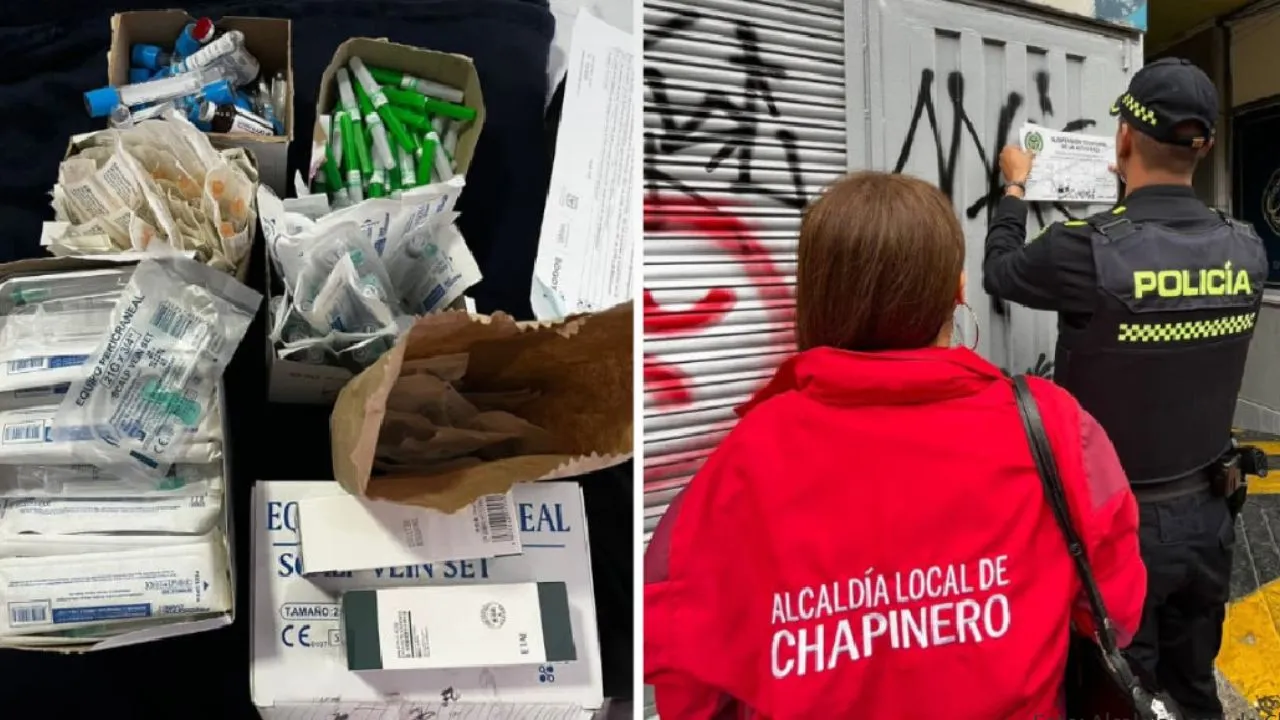
Bogotá has only 31 specialized inspectors for aesthetic equipment facilities in a city of over 8 million. The District Health Secretariat reported 563 inter-institutional operations, 814 inspection visits, and 39 health safety measures in 2025, but these efforts appear insufficient. The high number of unlicensed clinics (686) suggests a parallel market for aesthetic devices and consumables, where distributors may unknowingly supply illegal operators. This creates compliance challenges for international suppliers who must verify end-user credentials to avoid regulatory penalties.
What buyers should watch
Distributors and clinic buyers should monitor Bogotá's regulatory tightening. Councilor Dussán has demanded an immediate action plan including more inspectors, permanent joint operations with local mayors and police, and public tools to verify clinic authorization. As enforcement increases, demand for compliant, traceable devices and consumables may rise. Conversely, suppliers who fail to screen buyers could face legal exposure if their products are used in illegal clinics linked to fatalities. Due diligence on Bogotá-based clients is now critical.
Source: Read the original report | Published: June 16, 2026