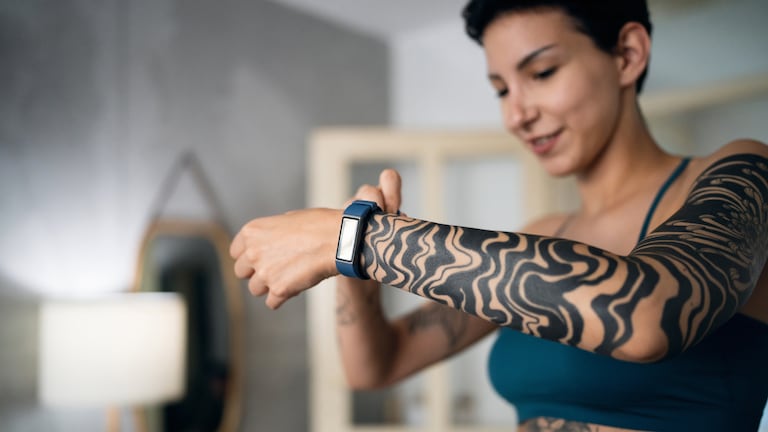
Colombian anesthesiologists and health authorities have issued a public alert over the growing practice of performing tattoos under sedation in unauthorized establishments, following a raid in Bogotá's Barrios Unidos district. The case has triggered inspections, legal actions, and calls for tighter regulation, signaling a compliance risk for aesthetic suppliers and clinic operators in the region.
Regulatory crackdown in Bogotá
Bogotá's Security Secretariat discovered a facility in Barrios Unidos offering sedation tattoos without the required health-service accreditation. The agency publicly warned that sedation cannot be administered in just any setting, even with medical personnel present. Inspections and over 800 control operations have been conducted since early 2025, leading to the closure of the implicated establishment.
Medical societies demand investigation
The Colombian Society of Anesthesiology and Resuscitation, along with the Cundinamarca Society of Anesthesiology, formally requested the District Health Secretariat to investigate other locations in Bogotá offering unauthorized sedation tattoos. They also demanded a review of who administers the drugs, what substances are used, and under what conditions procedures are performed.
Clinical risks of sedation in non-medical settings
According to the medical societies, sedation is a form of anesthesia requiring specialized clinical conditions, continuous monitoring, pre-procedure assessment, and immediate emergency response capability. Risks include altered consciousness, airway compromise, respiratory depression, and potential need for intubation or complex anesthetic management.
What buyers should watch
Aesthetic device and consumable suppliers should note that Colombian authorities are intensifying oversight of unlicensed aesthetic procedures. Between January 2025 and May 2026, 282 complaints related to aesthetic services were received, 194 linked to clandestine or irregular establishments. This regulatory environment may affect demand for sedation-related equipment and injectables in the region, as clinics face stricter compliance requirements.
Sourcing context
The medical societies have proposed a technical working group with the District Health Secretariat and Ministry of Health to analyze risks and strengthen control mechanisms. Public education campaigns are also requested to clarify that sedation carries real medical risks and should not be treated as a routine aesthetic procedure. Suppliers should monitor these regulatory developments as they may influence product registration and distribution channels in Colombia.
Source: Read the original report | Published: June 01, 2026