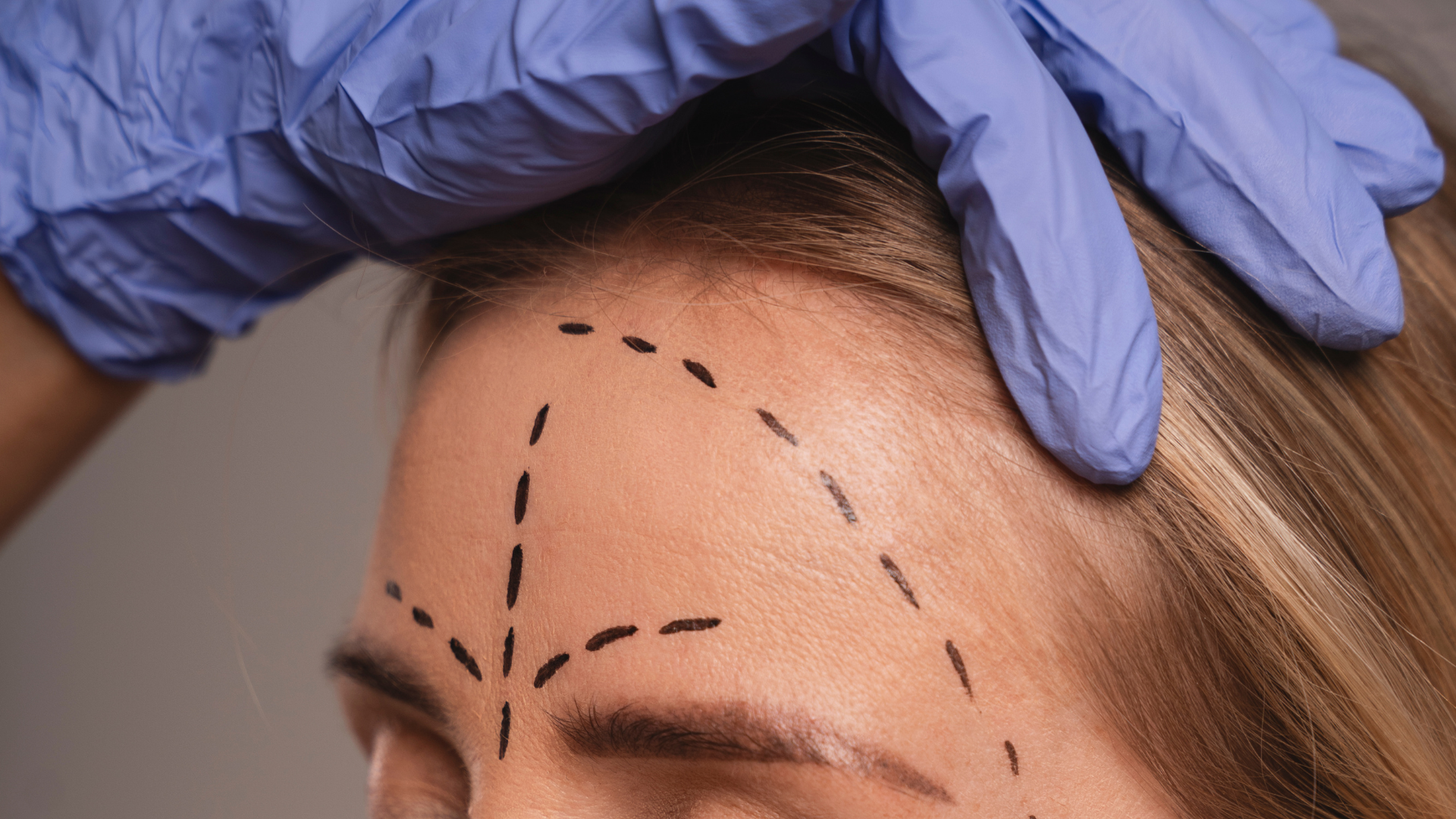
A Bogotá city council debate has revealed a dramatic rise in adverse events from illegal aesthetic procedures, with ICU admissions up 123% and hospitalizations up 138% between 2023 and 2026. For overseas buyers and distributors of medical aesthetics products, this signals tightening regulatory scrutiny and potential shifts in demand for compliant, high-quality devices and consumables in Colombia.
Adverse event surge
Between 2023 and 2026, Bogotá recorded 530 adverse events related to aesthetic procedures, according to council member Julián Sastoque. Infections after procedures increased 134%, hospitalizations rose 138%, and ICU admissions jumped 123% in the same period. At least 15 deaths, including that of Yulixa Toloza, have been linked to illegal procedures.
Regulatory crackdown
Inspections between 2023 and May 2026 found that 84% of aesthetic clinics inspected failed to meet operating requirements. Only 14% demonstrated full compliance. The city health secretariat received 494 complaints about aesthetic procedures from 2024 to May 2026, with 66% involving unregistered establishments.
New legislation proposed

President Petro announced the "Yulixa Toloza Law," which would require that only board-certified plastic surgeons with accredited university training may perform cosmetic surgery. Council member María Clara Name called for stronger inter-agency coordination to identify and shut down illegal clinics.
What buyers should watch
For medical aesthetics suppliers, Colombia's tightening regulatory environment may increase demand for certified devices, sterile consumables, and clinic setup solutions that meet updated compliance standards. Distributors should monitor the proposed law's progress and prepare for stricter import and usage requirements.
Sourcing context
Bogotá's crackdown reflects a broader Latin American trend toward regulating the aesthetics sector. Importers and distributors should verify that their products meet Colombian health authority (Invima) standards and consider partnering with clinics that demonstrate regulatory compliance to mitigate risk.
Source: Read the original report | Published: June 17, 2026