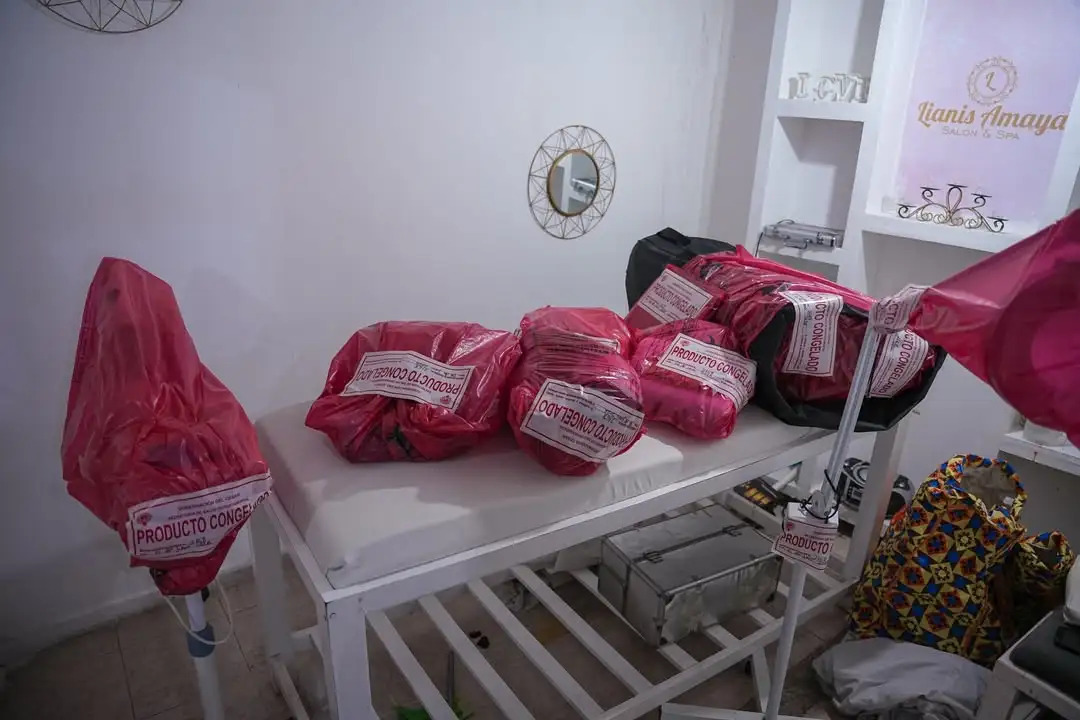
The Cesar Health Department has intensified inspections of aesthetic centers in Valledupar, Colombia, ordering seizures of supplies, freezing of biomedical equipment, and partial service suspensions due to serious sanitary violations and unauthorized medical procedures. This enforcement action signals heightened regulatory scrutiny in the Colombian aesthetic market, which overseas suppliers and distributors should monitor for compliance implications.
Regulatory crackdown in Valledupar
As part of its Inspection, Surveillance, and Control (IVC) functions, the Cesar Health Department conducted new visits to aesthetic centers in Valledupar, following previous closures and measures prompted by complaints about invasive procedures performed by unauthorized personnel and the use of equipment and medications without required permits.
The department classifies aesthetic service establishments as high-priority due to risks of infections, cardiovascular complications, and other adverse events linked to irregular practices or procedures that exceed their legal scope, especially those that should only be performed in licensed health institutions.
Inspection findings and risks identified
During the two most recent inspections, teams identified deficiencies in basic sanitary requirements, improper use of biomedical equipment, inadequate handling of supplies, and performance of procedures beyond the authorized scope for such establishments.
Authorities noted that some aesthetic centers, which should be limited to non-invasive services, are engaging in practices approaching medical or surgical procedures without the required infrastructure, human talent, or clinical support mandated by regulations. These include interventions that, due to their complexity, should only be performed in licensed clinics or IPS by plastic surgery specialists.
Sanctions and legal referrals
As a result, the Health Department adopted safety measures including seizure of supplies, preventive freezing of biomedical equipment, and partial suspension of work and services until violations are corrected. In more serious cases, the department refers information to the Prosecutor's Office and relevant ethics tribunals when there are indications of possible crimes or disciplinary offenses.
What buyers should watch
Overseas suppliers of aesthetic devices, injectables, and consumables should ensure their Colombian distributors and clinic partners maintain proper sanitary registrations and operating permits. The Valledupar case highlights that unauthorized use of medical-grade equipment and products in non-licensed settings can trigger regulatory actions, potentially affecting supply-chain relationships and market access.
Source: Read the original report | Published: June 10, 2026