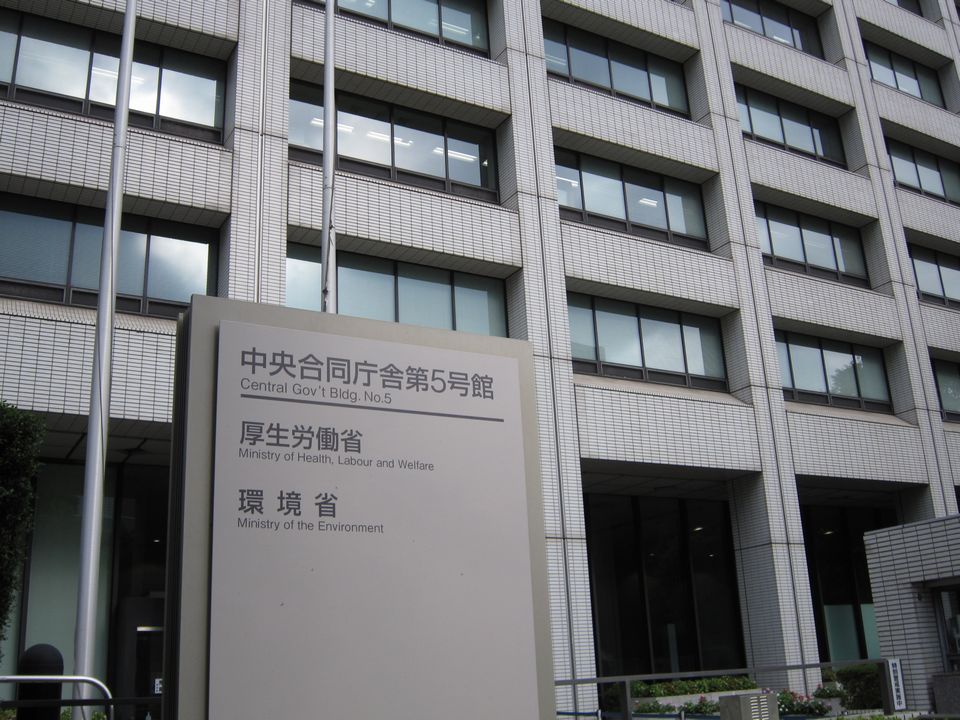
Japan's Ministry of Health, Labour and Welfare (MHLW) issued a formal notice on June 16, 2026, warning healthcare providers and pharmacies against the off-label use of GLP-1 receptor agonists and GIP/GLP-1 receptor agonists for cosmetic or weight-loss purposes outside approved indications. The notice highlights that such use may lead to unexpected adverse health effects and urges strict adherence to approved prescribing guidelines.
Regulatory warning
The MHLW notice, titled "Proper Use of GLP-1 Receptor Agonists and GIP/GLP-1 Receptor Agonists," was sent to local governments and medical institutions. It emphasizes that drugs like Mounjaro (tirzepatide) and Wegovy (semaglutide) are approved only for type 2 diabetes and obesity treatment. Using them for aesthetic or slimming purposes—often promoted on social media as "easy weight-loss drugs"—is not supported by safety or efficacy data and may cause serious harm.
Safety risks of off-label use
Even when used as approved, these drugs can cause severe side effects such as hypoglycemia and acute pancreatitis, as well as common gastrointestinal issues like nausea, vomiting, diarrhea, constipation, and abdominal pain. Off-label use for cosmetic weight loss carries the same or unknown risks, as the safety profile for such indications has not been established. The MHLW stresses that any deviation from approved dosing and administration methods could lead to unexpected adverse events.
Supply and advertising concerns
The MHLW also warns that off-label prescribing may disrupt supply for patients who genuinely need these medications for approved conditions. Currently, all GLP-1 drugs are in normal supply, but the ministry calls for vigilance. Additionally, it reiterates that advertising unapproved or off-label use of these drugs is generally prohibited under Japan's Pharmaceutical and Medical Device Act. Even when advertising is allowed, it must not be misleading or exaggerated, and must include clear information on risks, costs, and side effects.
Reporting obligations
Healthcare professionals are required to report any adverse events suspected to be linked to GLP-1 drugs, especially when off-label use is involved. Reports should clearly note the reason for use, such as "off-label use (cosmetic purpose)." The MHLW also urges cooperation with pharmaceutical companies' information collection efforts to ensure proper drug use.
What buyers should watch
For overseas importers, distributors, and clinic buyers, this notice signals that Japan's regulatory environment is tightening around GLP-1 drugs used for aesthetic purposes. Any promotion or distribution of these drugs for off-label cosmetic use could face legal and reputational risks. Ensure that your supply chain and marketing materials strictly align with approved indications in each market. Monitor Japanese regulatory updates closely, as similar actions may influence other Asian markets.
Source: Read the original report | Published: June 17, 2026