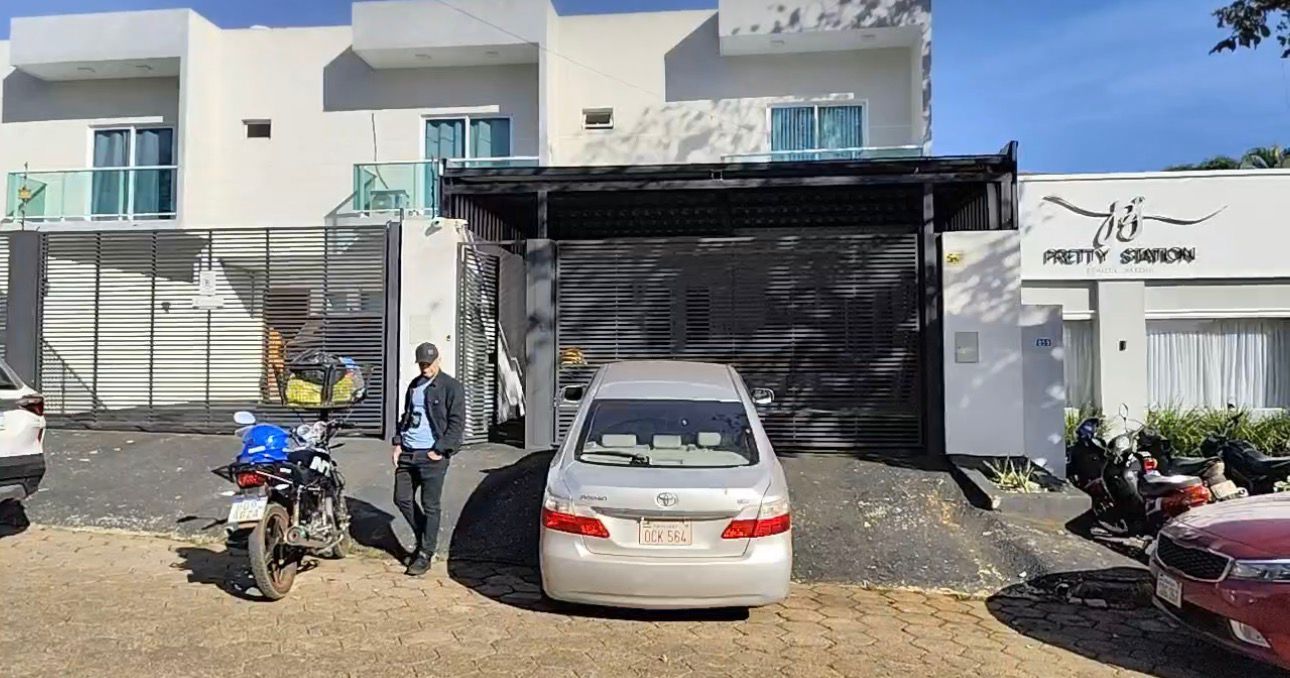
A joint fiscal-police task force raided a home in Hernandarias and the Bionova Estética clinic in Ciudad del Este on Monday, investigating the alleged large-scale counterfeiting and illegal sale of weight-loss drugs. The operation, led by prosecutor Osvaldo Zaracho with support from the Tripartite Command and health regulator Dinavisa, seized medicines and evidence for analysis. The probe centers on TG15 Tirzepatide, a high-demand weight-loss injectable, and follows the arrest of Luis Fernando Bobadilla Andino last week, who was found with 180 boxes and 720 vials of the product. Authorities suspect the clinic may have been a distribution point for a network moving an estimated US$400 million annually in counterfeit tirzepatide and similar drugs across the border region.
Market signal
The raid underscores the growing black market for GLP-1 receptor agonists like tirzepatide in Latin America, driven by soaring demand for weight-loss treatments. For medical aesthetics distributors and clinic buyers, this signals heightened regulatory scrutiny on sourcing and supply chains. Counterfeit products not only pose legal risks but also threaten patient safety and brand reputation. The US$400 million estimate highlights the scale of illicit trade, which can undercut legitimate suppliers and distort pricing in the region.
Regulatory and channel signals
Dinavisa’s involvement indicates that Paraguayan authorities are intensifying enforcement against unregistered and falsified medical products. The clinic, owned by Dr. Efraín Casco, is under investigation for potential distribution of counterfeit TG15 Tirzepatide. The case also reveals a suspected transporter who was removed from the scene by the company’s lawyer, Nider Centurión, before prosecutors could question him. This suggests a structured operation with multiple layers, from production to distribution, that may extend beyond Paraguay’s borders.
Sourcing context
For overseas buyers sourcing tirzepatide or other GLP-1 products for aesthetic clinics, this case is a reminder to verify regulatory compliance and supplier credentials. Counterfeit injectables can contain incorrect dosages or harmful substances, leading to adverse events and liability. Legitimate distributors should ensure products have proper sanitary registrations and traceable origins. The Paraguayan border region, a known hub for parallel trade, requires extra due diligence when evaluating supply partners.
What buyers should watch
Importers and clinic operators should monitor Dinavisa’s final analysis of the seized products to identify specific counterfeit markers. They should also watch for any cross-border enforcement actions in Brazil or Argentina, which may affect supply routes. Engaging only with licensed manufacturers and authorized distributors remains the safest strategy. The case may prompt stricter import controls in neighboring markets, potentially impacting lead times and costs for legitimate tirzepatide supplies.
Source: Read the original report | Published: June 16, 2026