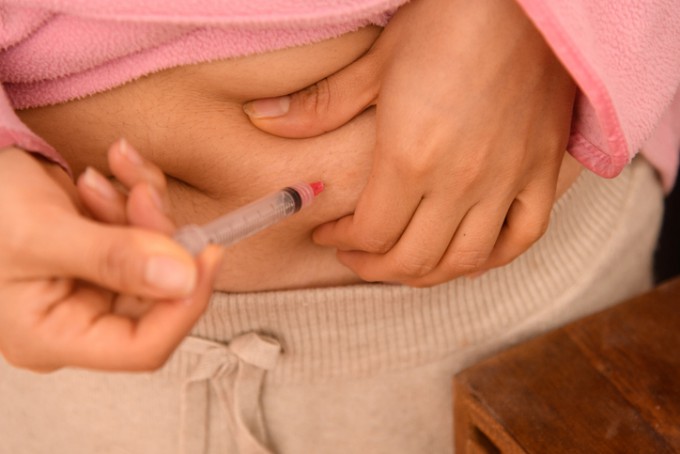
Major pharmaceutical companies including Pfizer, Amgen, and Roche are accelerating development of next-generation obesity drugs that could reduce annual injections from 52 to as few as 4–13, while also shifting toward oral formulations and minimizing side effects, muscle loss, and rebound weight gain. For medical aesthetics distributors and clinic buyers, this signals a potential shift in patient compliance and treatment protocols for weight management injectables.
Market signal
The global obesity drug market is currently dominated by Eli Lilly's Mounjaro and Zepbound, and Novo Nordisk's Wegovy and Ozempic—all GLP-1-based weekly injections. According to the Washington Post on February 10, Pfizer, Roche, Boehringer Ingelheim, and Amgen are racing to bring superior alternatives to market, targeting fewer injections, better tolerability, and preserved muscle mass.
Key technology developments
Pfizer is developing a once-monthly GLP-1 injection, reducing annual doses from 52 to 13. The initial lower-dose schedule requires 13 shots per year instead of 12 to manage side effects. Roche's Genentech plans to start clinical trials this year on a GLP-1/amylin combination injectable. Amylin, a pancreatic hormone, may reduce gastrointestinal side effects because it does not delay gastric emptying—a common complaint with current GLP-1 drugs.
Amgen is developing a GLP-1 drug combined with a monoclonal antibody, aiming for only 4–6 injections per year. Boehringer Ingelheim recently reported phase 3 results for a GLP-1/glucagon combination, showing 16.6% average weight loss over 72 weeks, with only 10.8% of lost weight coming from lean body mass—compared to 25–40% with current obesity drugs.
What buyers should watch
For distributors and clinics sourcing obesity injectables, the shift toward fewer injections and improved side-effect profiles could reshape patient demand and inventory planning. Products requiring 4–13 annual shots may improve adherence and reduce clinic visit frequency. Additionally, the focus on preserving muscle mass addresses a key aesthetic concern for patients seeking weight loss without compromising body composition.
Regulatory and channel signals
Novo Nordisk applied to the U.S. FDA in December for approval of a GLP-1/amylin combination therapy. Pfizer and Roche are advancing clinical programs, while Amgen's monoclonal antibody approach is still in development. Importers should monitor regulatory timelines and potential supply-chain implications as these next-generation products approach market entry.
Sourcing context
As multinational pharma companies race to differentiate, the competitive landscape for obesity injectables is expanding beyond the current duopoly. For medical aesthetics buyers, this means more options for weight management injectables in the coming years, with potential advantages in dosing frequency, tolerability, and muscle preservation—factors that could influence clinic adoption and patient satisfaction.
Source: Read the original report | Published: June 12, 2026