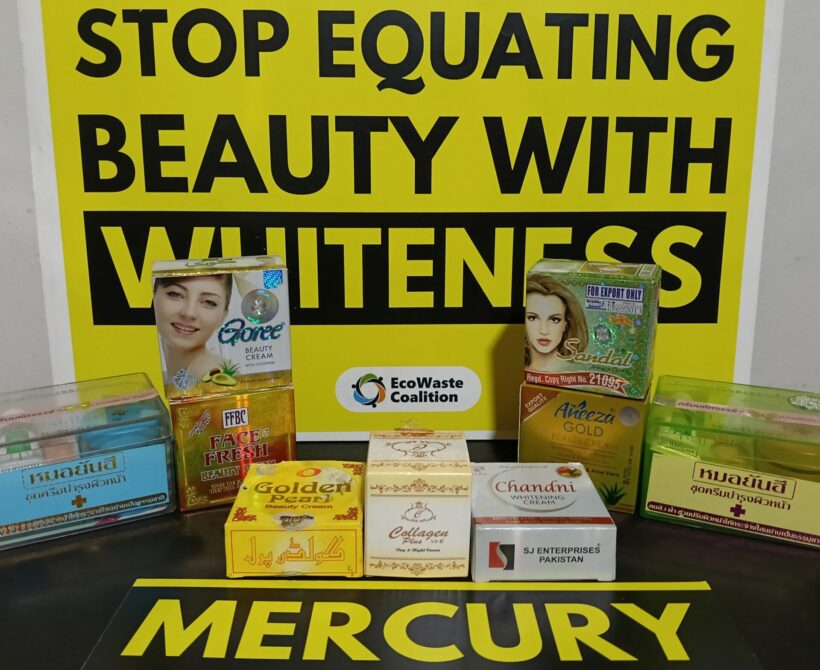
The EcoWaste Coalition has reiterated US FDA warnings against 30 unsafe skin-lightening products, including nine mercury-laced creams from Pakistan, Thailand, and Indonesia. For overseas buyers and distributors, this signals heightened regulatory scrutiny and potential supply-chain risks for mercury- and hydroquinone-contaminated cosmetics.
Regulatory alert
On June 1, 2026, the US FDA warned consumers not to use skin-lightening products containing mercury and/or hydroquinone. The agency published a list of 30 unsafe products after laboratory testing. The EcoWaste Coalition, a toxics watchdog group based in Quezon City, Philippines, echoed these warnings on June 8, urging the public to stop using mercury-tainted whiteners and seek medical advice.

Products with high mercury levels
US FDA tests found nine facial creams with mercury levels ranging from 3,670 ppm to 18,500 ppm. These include Face Fresh Beauty Cream (18,500 ppm), Goree Beauty Cream with Lycopene (17,200 ppm), Sandal Beauty Cream (13,100 ppm), Aneeza Gold Beauty Cream (12,400 ppm), Dr. Yanhee Cream Set (green, 12,295 ppm), Golden Pearl Beauty Cream (12,000 ppm), Dr. Yanhee Cream Set (blue, 10,668 ppm), Chandni Whitening Cream (8,790 ppm), and Collagen Plus Vit E Day & Night Cream (3,670 ppm).
Independent testing confirms contamination

Tests by the EcoWaste Coalition and its Korean NGO partner, Wonjin Institute for Occupational and Environmental Health, also found high mercury levels in the same nine products, with some readings exceeding 58,000 ppm. The Philippine FDA has issued public health warnings against eight of these products due to lack of market authorization or mercury adulteration.
Health risks and regulatory implications
The US FDA warns that repeated application of mercury-tainted products can lead to kidney damage, neurological harm, and skin injury. Hydroquinone-containing products may cause permanent skin discoloration (ochronosis). The agency advises consumers to avoid these products without a prescription. For importers and distributors, this reinforces the need for rigorous testing and compliance with global bans on mercury in cosmetics.

What buyers should watch
Distributors and clinic buyers should verify that skin-lightening products in their supply chains are free from mercury and hydroquinone. The US FDA list and EcoWaste Coalition findings highlight specific brands from Pakistan, Thailand, and Indonesia. Sourcing from reputable manufacturers with third-party testing and regulatory approvals is critical to avoid legal and reputational risks.
Source: Read the original report | Published: June 08, 2026