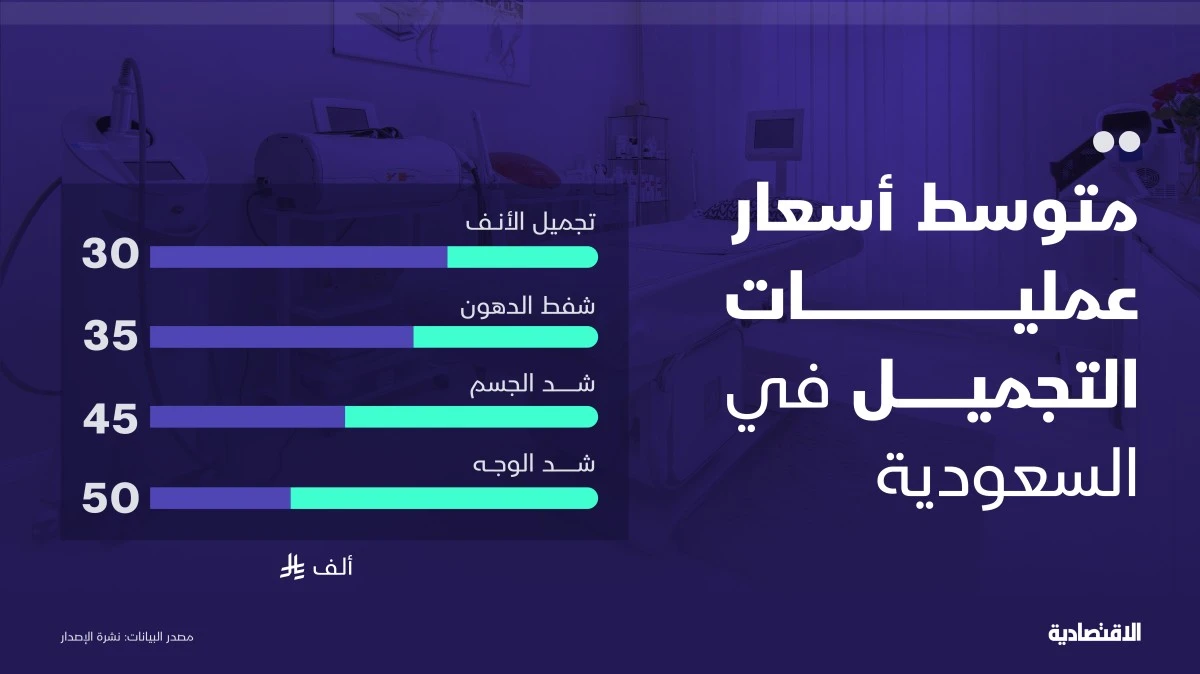
Saudi Arabia's aesthetic surgery market is experiencing a surge in demand despite high costs, with procedures starting at SAR 30,000 ($8,000) and reaching SAR 80,000 ($21,300), according to a survey by Al-Eqtisadiah. This trend signals a robust market for medical aesthetics suppliers, driven by a cultural shift toward appearance enhancement and a higher surgical procedure rate than in the US.
Market signal
A recent Saudi study reveals that 3% of Saudis have undergone aesthetic procedures, triple the US rate of 1% reported by the International Society of Aesthetic Plastic Surgery (ISAPS). In 2024, the US performed 6.2 million procedures, but only 32% were surgical, with Botox (43%) and fillers (30%) dominating non-invasive treatments. In contrast, Saudi Arabia's 155,000 annual procedures are 55% surgical (85,000 surgeries vs. 70,000 non-invasive), highlighting a preference for invasive interventions.
Procedure trends
Liposuction leads surgical procedures at 13,800 cases, followed by breast augmentation (8,600), tummy tuck (6,700), and buttock augmentation (6,100). Male demand grew 6.3% year-on-year, while female demand dropped 4%, as women shift to non-invasive options like Botox and fillers. Dr. Saad Al Talhab, a dermatology consultant in Riyadh, notes that male patients now represent 30% of clinic visits, with overall annual demand rising 20%.
Demographics and drivers
Dr. Taif Al Qahtani, a research specialist, says 50% of Saudis express dissatisfaction with their appearance, but only one-third accept surgery. Women aged 32-40 remain the most receptive, along with married individuals, higher-degree holders, and some expatriates. Rhinoplasty is the most common procedure, accounting for 67% of female and 40% of male surgeries. Dr. Mohammed Al Diri, a plastic surgeon, reports a 60% growth in procedures over five years, driven by obesity awareness and weight-loss culture, with the 25-50 age group most active.
Sourcing context
Clinics like Reflekt, Miam, Alour, and Neufo show price variation for top procedures. The high demand keeps surgeons busy, reducing price negotiation. Some patients seek cheaper options in neighboring countries like Egypt and Jordan, where costs can be half. However, a clinic official emphasizes that Saudi standards for sterilization, hygiene, and medical teams justify the premium pricing. Digital simulation technologies are boosting demand for non-invasive procedures, while ethical considerations require thorough patient evaluation.
What buyers should watch
Suppliers should note the strong surgical bias in Saudi Arabia, with liposuction and body contouring leading demand. The growing male segment and weight-loss-related procedures (e.g., excess skin removal) present opportunities for devices and consumables. The price sensitivity among some patients may drive interest in cost-effective non-invasive alternatives, while high standards create a market for premium-quality products and training.
Source: Read the original report | Published: June 13, 2026