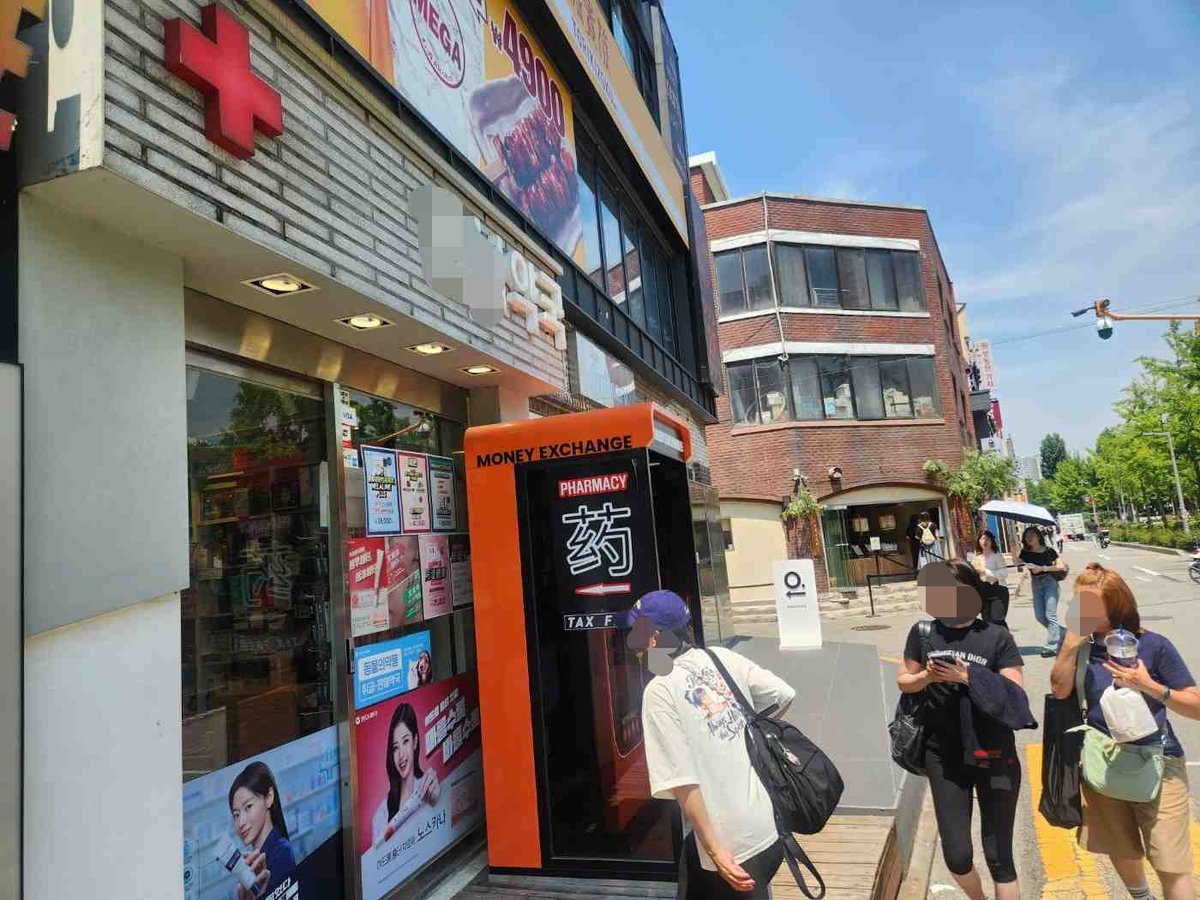
Foreign medical spending in South Korea reached a record KRW 251.1 billion (approx. USD 190 million) in May 2026, marking the third consecutive month above KRW 200 billion. The surge is fueled by a sharp rise in pharmacy visits, where foreign tourists spend heavily on dermatological creams, acne treatments, and anti-fouling agents, alongside traditional aesthetic clinics. This trend signals growing demand for Korean medical aesthetics products among overseas buyers.
Market signal
According to the Korea Tourism Organization's Korea Tourism Data Lab, foreign medical spending in May totaled KRW 251.16 billion, up 0.5% from April and 74.6% year-on-year. Dermatology accounted for 57.8% of spending, followed by plastic surgery (18.0%) and pharmacies (12.9%). Pharmacy share hit a record 12.9%, up from just 4.9% in January 2025. By nationality, Chinese tourists spent the most (KRW 63.6 billion), followed by the US (KRW 46.2 billion), Japan (KRW 32.9 billion), Taiwan (KRW 29.7 billion), and Singapore (KRW 14.5 billion).
Pharmacy boom: 69.8% of all medical transactions

Pharmacies now account for 69.8% of all foreign medical transactions, up from 4.9% in early 2025. A pharmacist near Hongdae Station told Yonhap: "Foreign tourists frequently buy artificial tears, anti-fouling creams, and acne treatments not sold at Olive Young. Some spend hundreds of thousands of won per visit." In Myeongdong, a Chinese staff member noted: "It's common to see tourists pack KRW 400,000 worth of products as gifts before departure."
What buyers should watch
For overseas importers and distributors, the data highlights a growing preference for Korean OTC dermatological products, including skin regeneration creams, acne treatments, and anti-fouling agents. These items are increasingly purchased alongside aesthetic clinic visits, suggesting bundled sourcing opportunities. The Korea Tourism Organization is expanding medical tourism partnerships with cities like Goyang and Busan, which may diversify regional supply channels.

Sourcing context
Seoul remains the dominant hub (88.4% of spending), but Busan (5.0%) and Gyeonggi (3.1%) are emerging. The trend underscores the importance of Korean pharmacies as a distribution channel for medical aesthetics consumables. Buyers should monitor regulatory updates on OTC product exports and consider partnerships with Korean pharmacy chains or OEM manufacturers to capitalize on this demand.
Source: Read the original report | Published: June 14, 2026