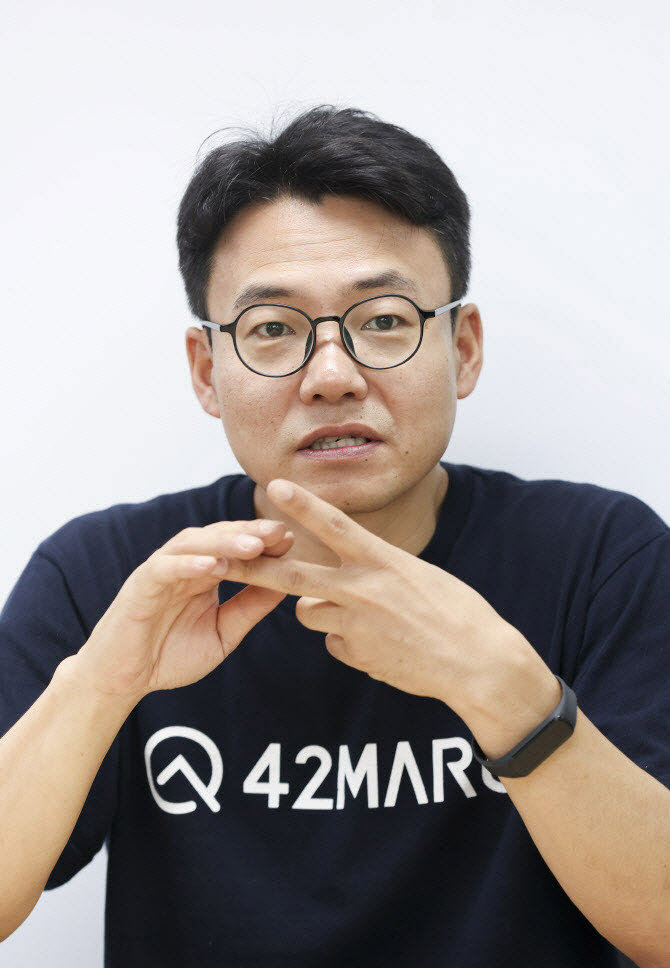
South Korean AI startup FortyTwoMaru has been selected to lead a 8 billion won public AI project for the Ministry of Food and Drug Safety (MFDS), integrating safety information across eight product categories including cosmetics, pharmaceuticals, and medical devices. The initiative aims to provide a single, trustworthy AI channel for importers, distributors, and clinic buyers to verify product safety data.
Project scope and budget
The 'AI Safety Guardian for Human-Applied Products' project is part of the government's 'Top 10 AI Public Livelihood Projects' and carries a total budget of 8 billion won (approximately USD 6 million). FortyTwoMaru won the public tender as the lead organization, forming a consortium with Dosonthi, Solideo, and Twocon Consulting. The MFDS serves as the demand agency, while the National IT Industry Promotion Agency (NIPA) manages the project.
Eight product categories covered
The platform will integrate lifecycle safety information across eight categories: food, imported food, health functional foods, pharmaceuticals, medical devices, cosmetics, quasi-drugs, and sanitary products. This unified approach addresses the current fragmentation where consumers and professionals must visit multiple websites to check safety data for human-applied products.
Core AI services and technology
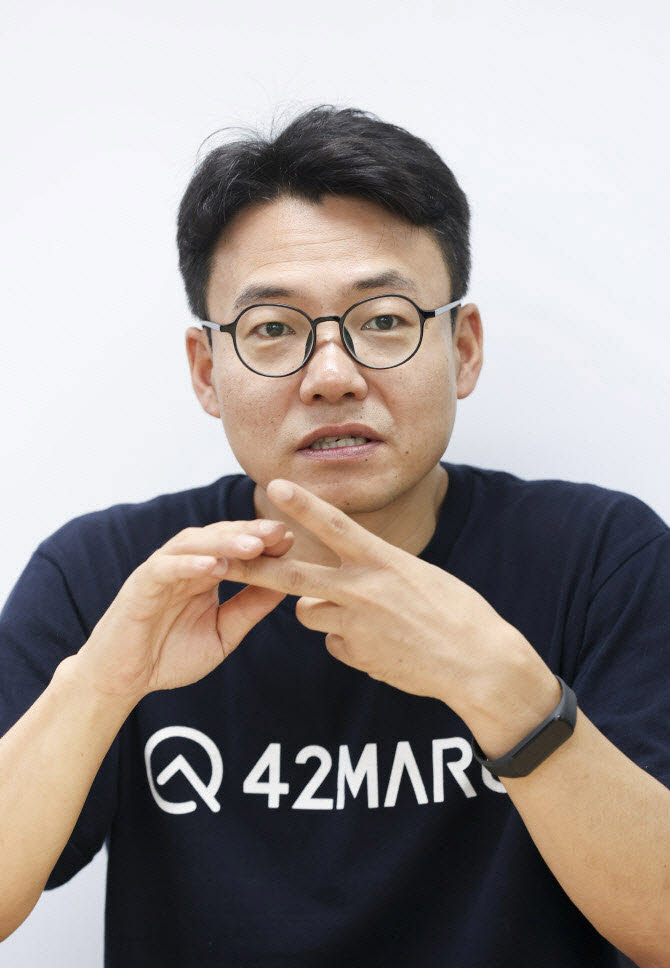
The platform will feature five interconnected AI services: 'FullStory AI' for product lifecycle integration and automatic report generation, 'Fact AI' for information verification, 'Safe AI' for hazard history and safety data, 'LifeSense AI' for cross-product conflict analysis, and 'InfoPick AI' for automatic card-news style safety information creation. The system will be available via web and mobile app, with FullStory AI and Fact AI launching in the first year and full services in the second year.
Hallucination prevention technology
FortyTwoMaru's proprietary RAG (Retrieval-Augmented Generation) technology 'RAG42' is the core differentiator. It combines keyword-based and semantic search with a specialized language model for the food and drug domain, plus a separate verification layer for AI-generated answers. The company states this design minimizes AI hallucination and will not generate responses when evidence is insufficient, relying on MFDS-verified data for real-time information.
What buyers should watch
For overseas importers and distributors of cosmetics, medical devices, and health functional foods entering the Korean market, this platform could streamline regulatory compliance by providing a single source for safety alerts, recall information, and product lifecycle data. The system's ability to verify information authenticity and detect cross-product conflicts may reduce due diligence costs for clinic buyers and distributors managing multiple product lines.
Source: Read the original report | Published: June 09, 2026