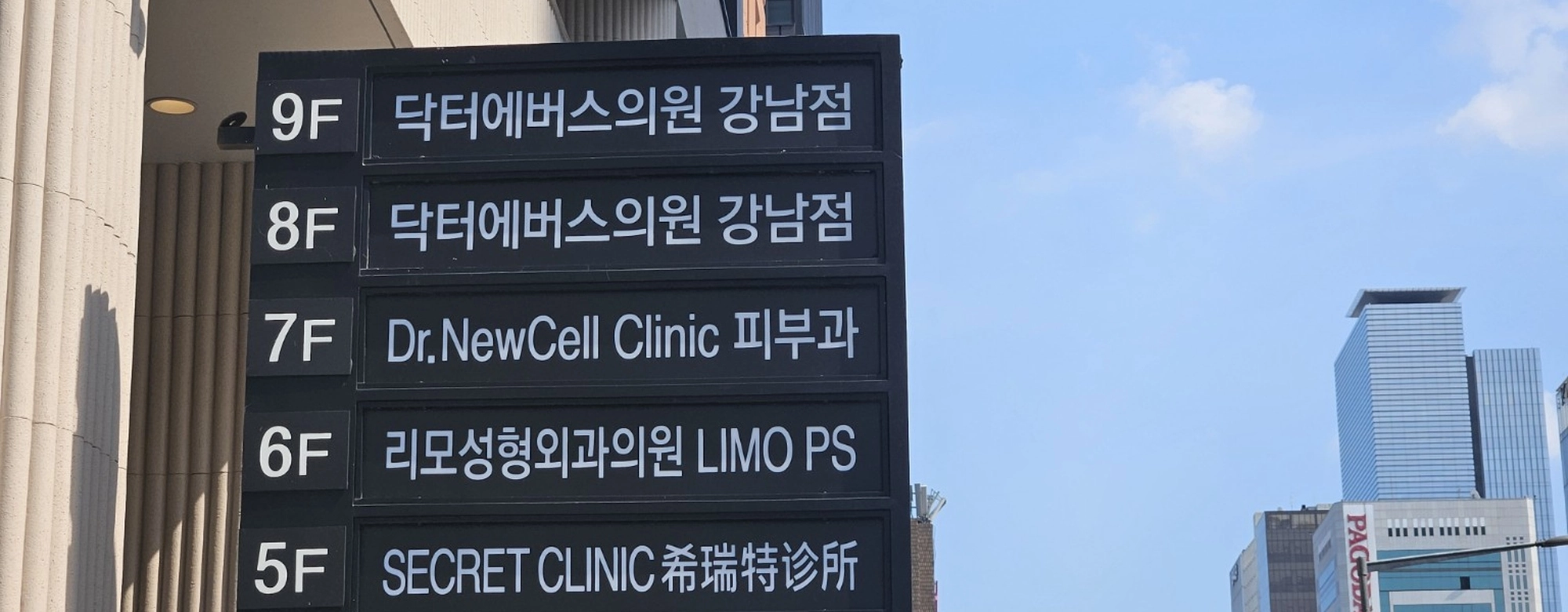
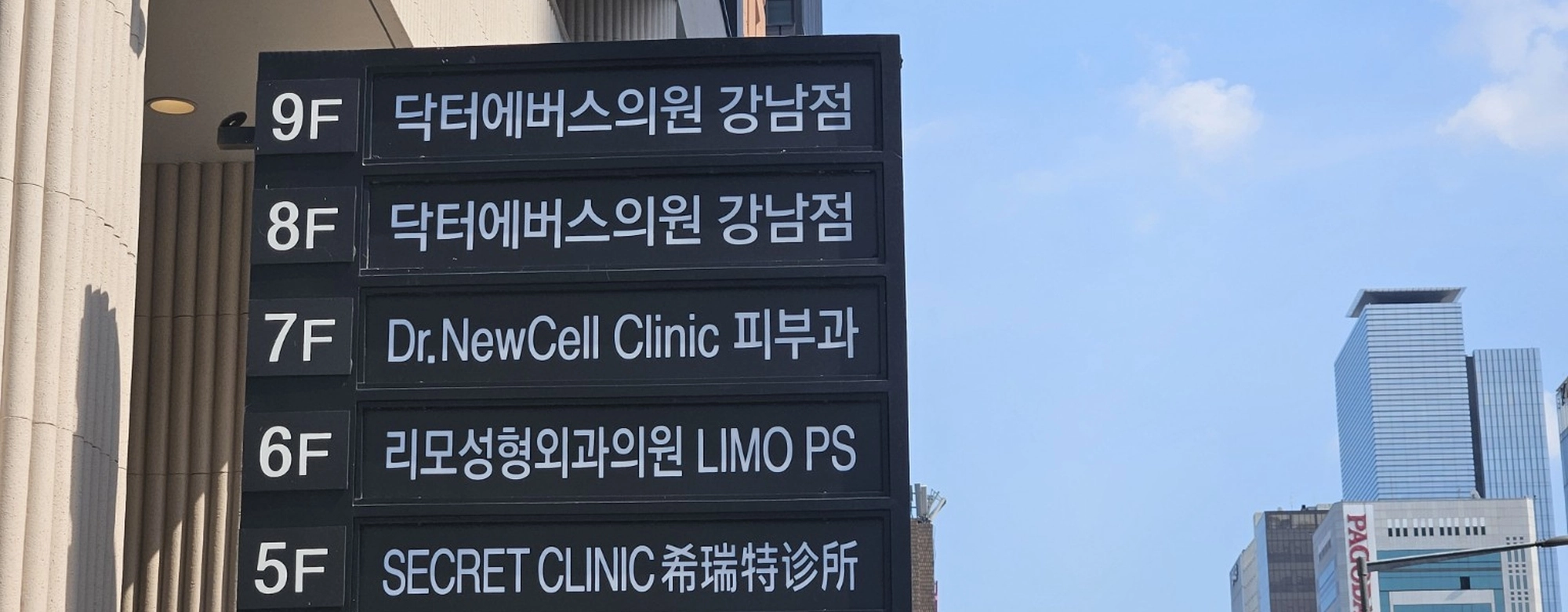
Seoul's iconic Gangnam-daero commercial district is rapidly transforming from a dining and shopping hub into a medical beauty corridor, driven by surging medical tourism and K-medical industry growth. For overseas aesthetic buyers and distributors, this structural shift signals rising demand for clinic-grade devices, consumables, and fit-out solutions in a market where high rents favor high-ticket medical services over traditional F&B.
Market signal
According to Seoul City's foreign tourist spending analysis released last month, medical tourism expenditure by international visitors in Seoul reached 192.1 billion KRW in April 2026, a 59.2% increase year-on-year. Gangnam-gu alone accounted for 29.1% of total medical tourism spending, the highest among all Seoul districts. The city's '2025 Seoul Tourism Consumption Trend Analysis' identified Gangnam Station and Sinnonhyeon Station areas as concentrated medical consumption zones.
On-the-ground transformation
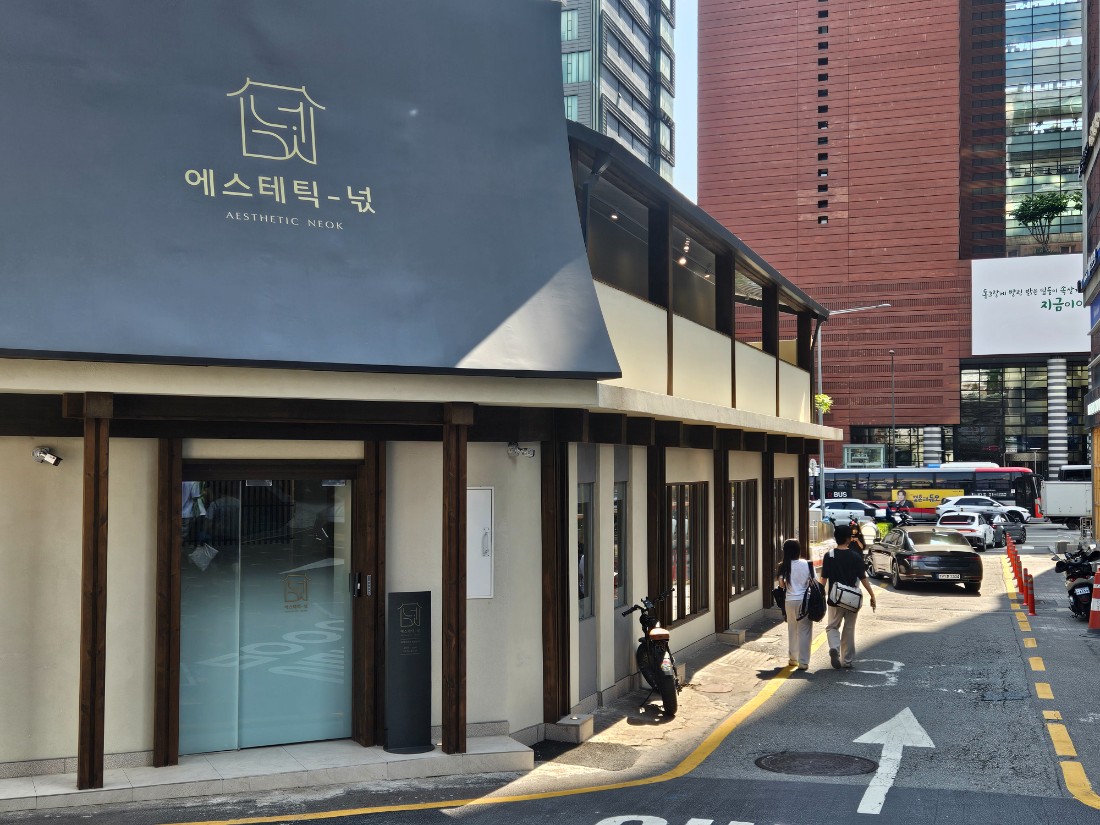
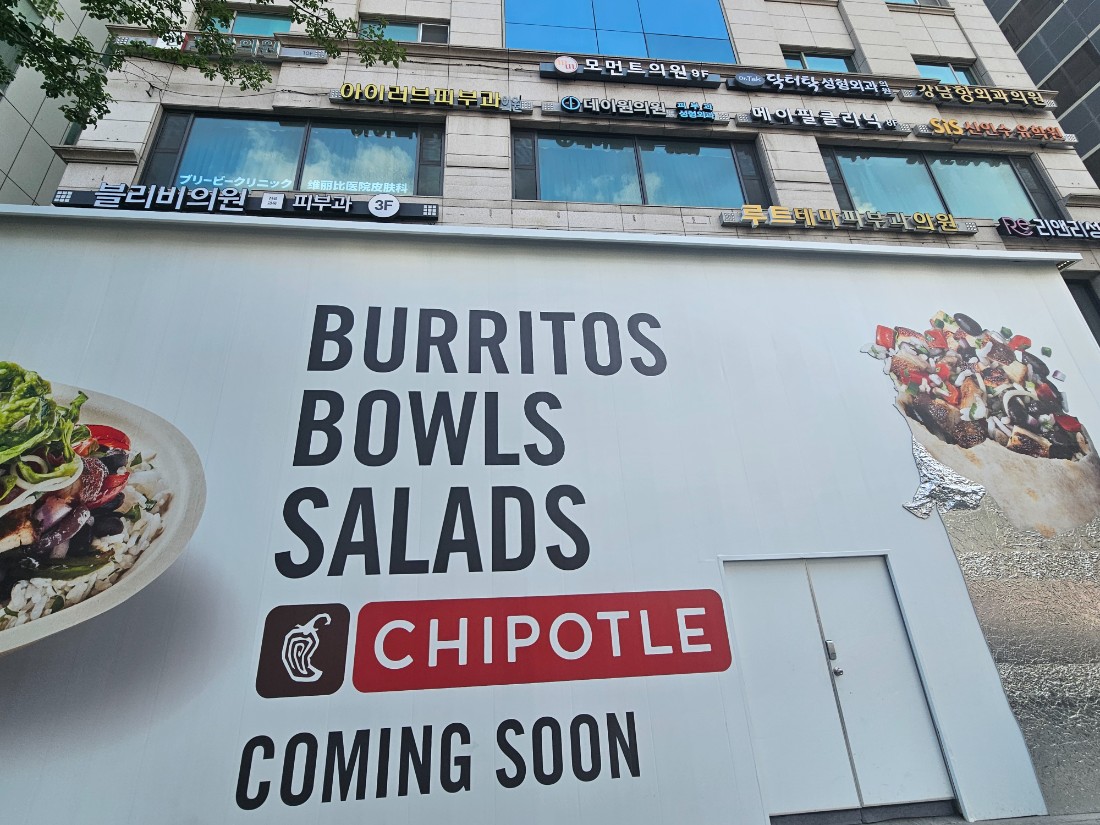
Field reporting by Le Desk confirms the shift. A former eel soup restaurant near Sinnonhyeon Station has been replaced by an aesthetic clinic, and a global snack discount store now houses a dermatology consultation platform. Multiple floors of buildings along Gangnam-daero are increasingly occupied by dermatology and plastic surgery clinics rather than restaurants and cafes. As of this month, Seongsu 1-dong — covering Gangnam and Sinnonhyeon stations — has 91 plastic surgery clinics, up 3.4% from a year ago.
Consumer behavior change
Office worker Hyomin Son (25, female) told Le Desk: "Gangnam is too expensive for dining unless it's a special occasion. I come here more often for dermatology or beauty services." Another worker, Sujin Kim (38, female), added: "The concentration of clinics makes it easy to compare multiple options and handle consultations in one trip. The reason I come to Gangnam has completely changed."
What buyers should watch
High rent is the key driver. A real estate agent near Sinnonhyeon Station noted: "Gangnam-daero rents are so high that independent restaurants can't survive long. New tenants are overwhelmingly medical beauty operators or large franchise chains." Medical services, with higher average transaction values and foreign patient inflow, can absorb fixed costs better than F&B. Experts see this as a structural shift, not a fad.
Sourcing context
Professor Yonggu Seo of Sookmyung Women's University explained: "The plastic surgery and dermatology cluster that started in Apgujeong is expanding through Sinsa Station toward Gangnam Station. With foreign medical tourism demand continuing to grow, Gangnam is likely to develop into a globally rare medical beauty specialized district." For overseas suppliers, this means sustained demand for premium aesthetic devices, clinic consumables, and turnkey clinic setup services in one of Asia's most concentrated medical beauty markets.
Source: Read the original report | Published: June 11, 2026