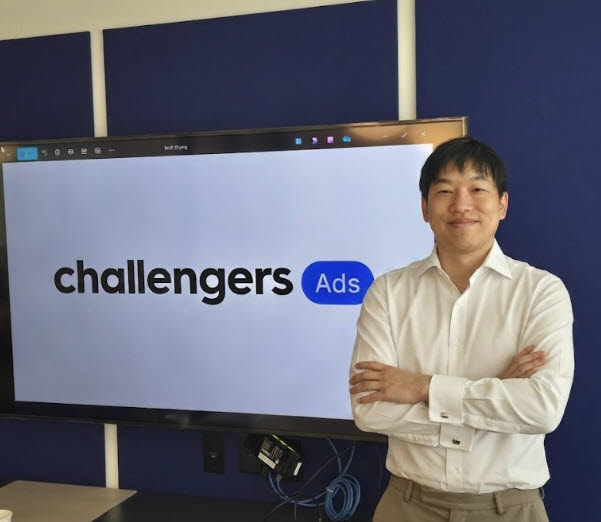
South Korean habit-forming app Challengers has transformed into a performance-based retail media platform focused on beauty and lifestyle, achieving three consecutive years of profitability and 270 billion won ($19 million) in 2025 revenue. Founder Hyukjun Choi tells LASHNEWS the pivot from a 6% user retention rate to 60% was driven by integrating paid product purchases with cashback missions, attracting over 1,000 brand partners including major K-beauty names. The company now plans to help Korean brands enter Amazon US.
From habit app to commerce engine
Challengers originally launched in 2018 as a mission-based app where users staked money to build good habits. Despite raising 5 billion won ($3.5 million) in Series A funding from Altos Ventures and others in 2020, founder Hyukjun Choi realized the self-improvement market had limited scalability. User retention after 12 months was only 6%, and even the founder himself never spent a single won inside the app. "I realized that less than 5% of people who sign up for English academies or gyms remain after five years," Choi said. "When I saw that even I wasn't spending money on habit formation, I knew we had to change."
How the retail media model works
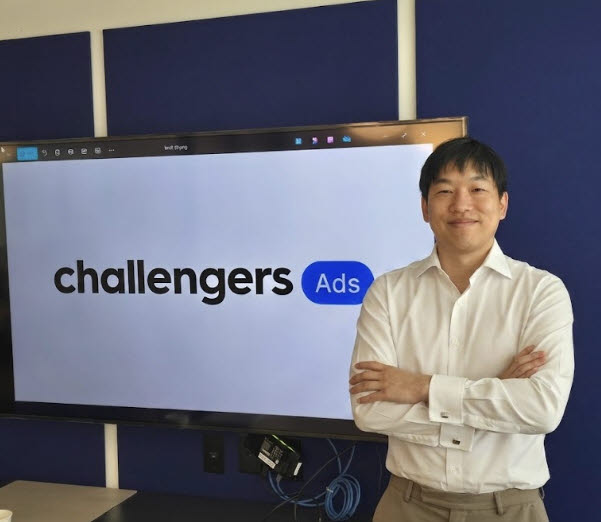
The pivot replaced habit missions with a commerce structure. Users purchase beauty products, supplements, or household items through the app, then complete real-use and receipt verification missions to receive over 80% of the purchase price as cashback. This creates a paid sampling model that filters for genuine customers rather than freebie seekers. "Free samples attract cherry-pickers, but users who pay are true customers," Choi explained. "For brands, that means much more valuable data." The model boosted 12-month retention from 6% to 60% and drove revenue from 14.7 billion won in 2024 to 27 billion won in 2025.
K-beauty brand adoption and Japan expansion
Challengers now works with over 1,000 brands, including major Korean beauty conglomerates and emerging indie labels. Its 2 million users, primarily women in their 20s and 40s, create micro-trends that help brands climb ranking algorithms on platforms like Kakao Talk Deal and Qoo10 Japan.
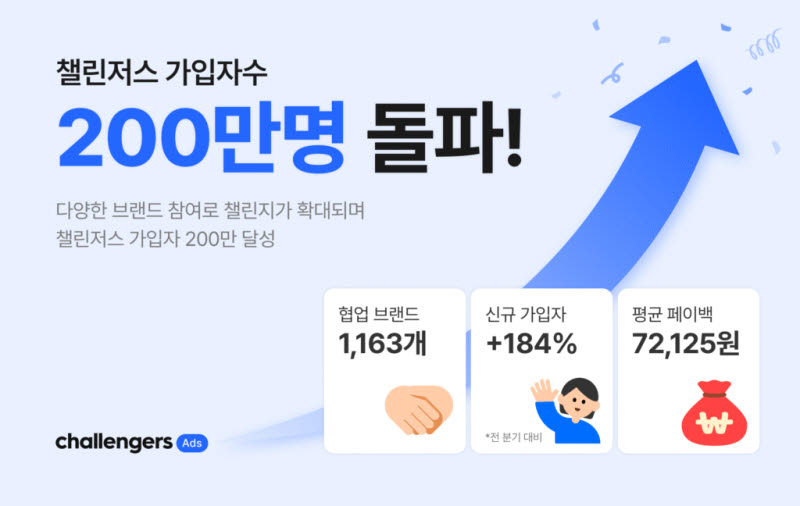
In January 2025, the company entered Japan and within one year secured 180 brand clients including SNP and Cosrx, generating 4 billion won ($2.8 million) in local revenue. The Japan success validates the model for cross-border K-beauty distribution.
What buyers should watch
Whitecube was named a "Baby Unicorn" by South Korea's Ministry of SMEs and Startups in 2025, signaling government recognition of its growth potential. The company targets 50 billion won ($35 million) in 2026 revenue, double 2025 levels. For overseas distributors and clinic buyers, the key signal is Challengers' plan to help Korean brands enter Amazon US. This creates a new channel for K-beauty and medical aesthetics brands to gain early consumer traction and ranking momentum before scaling to global e-commerce. Importers should monitor which brands partner with Challengers for US market entry, as those brands may offer more competitive wholesale terms backed by proven consumer demand data.
Source: Read the original report | Published: June 10, 2026