
Hugel, a global total medical aesthetics company, held a Letybo regional symposium and hands-on training in Chengdu, a key hub for China's aesthetic medicine industry. The event, part of a six-city tour across China, attracted over 100 local medical professionals and underscores Hugel's strategy to deepen distributor and clinic engagement in the world's largest injectables market.
Symposium highlights
The Chengdu symposium, the second stop after Beijing in April, featured Korean speaker Dr. Wook Oh from Meilin Clinic's The Hyundai branch, who shared diverse injection techniques using botulinum toxin. Chinese speakers included Professor Wang Hang from Sichuan University's West China Hospital of Stomatology, who presented clinical strategies and case management from a local perspective, and plastic surgeon Lei Jiaqi, who discussed complex facial combination treatments with botulinum toxin.
Strategic partnership and market position
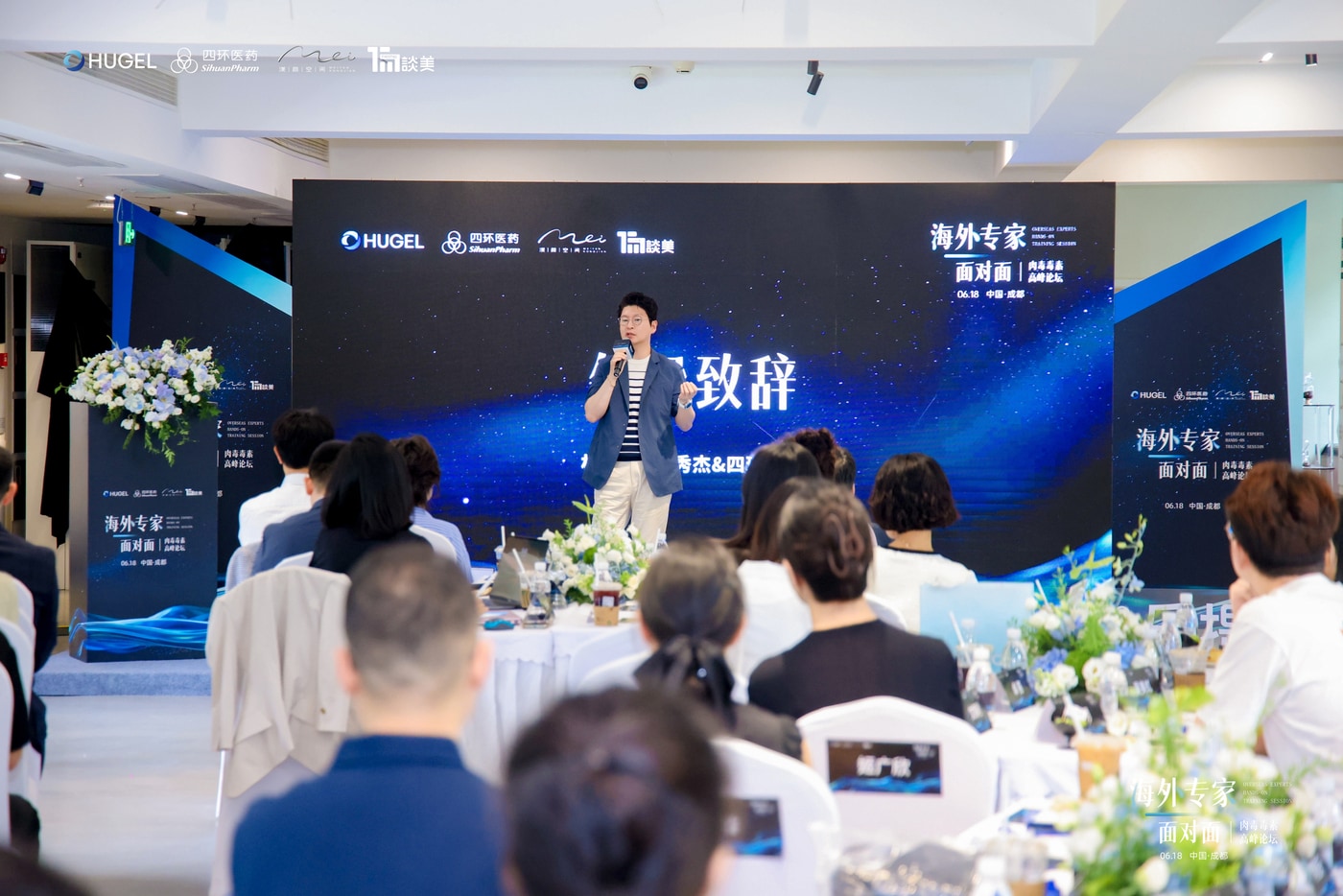
Hugel's Vice President of Business, Seung-wook Ji, and CEO Zhou Xianfeng of Sihuan Meiyan, a subsidiary of Hugel's Chinese partner Sihuan Pharmaceutical, attended the event. Through this partnership, Hugel conducts regular academic training for local medical professionals, promoting standardized treatment guidelines. This has helped Letybo capture over 20% market share in China's toxin market, supported by broad coverage and stable supply.
What buyers should watch
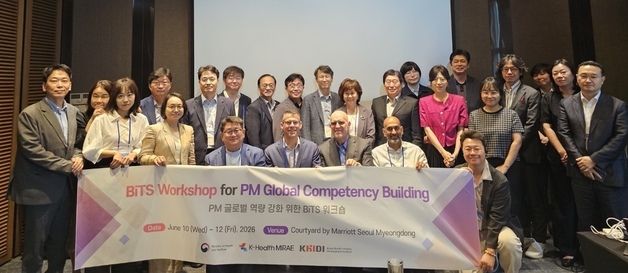
For overseas importers and clinic buyers, Hugel's sustained academic engagement in China signals a commitment to brand differentiation through clinical education—a model that may be replicated in other markets. The company's recent training for 200 Indonesian medical professionals further indicates an aggressive expansion strategy across Asia. Distributors should monitor Hugel's ability to maintain supply chain reliability and regulatory compliance as it scales.
Regulatory and channel signals
Hugel's collaboration with Sihuan Pharmaceutical, a well-established local player, provides a channel blueprint for entering regulated markets. The emphasis on hands-on training and standardized protocols suggests that regulatory authorities in China are supportive of evidence-based aesthetic practices, which could ease future product approvals for similar toxin brands.
Source: Read the original report | Published: June 19, 2026