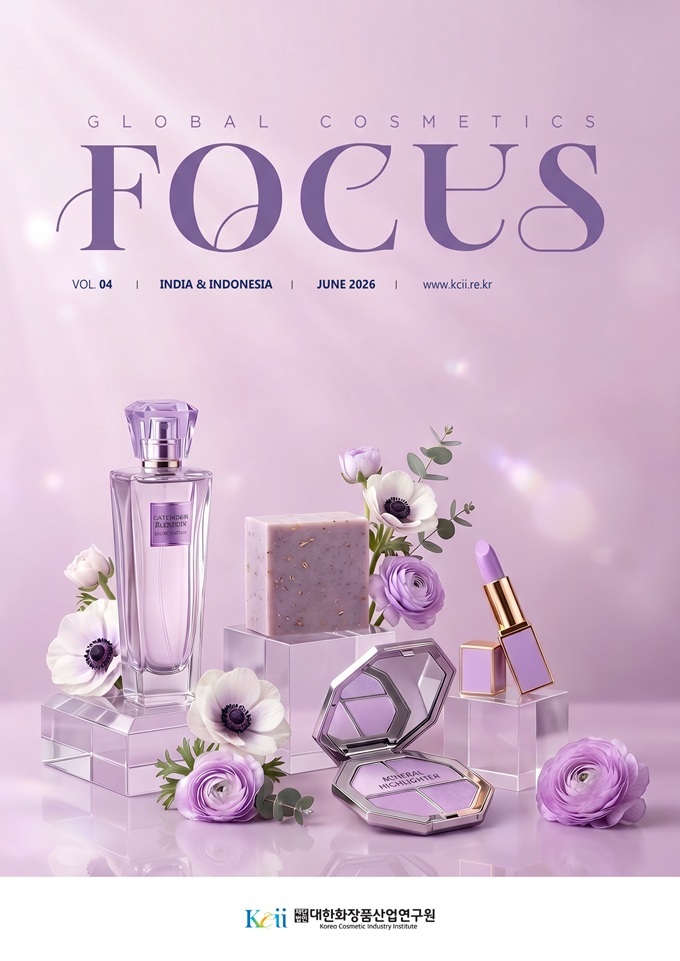
The Korea Cosmetic Industry Institute has released its Global Cosmetic Focus No. 4, covering India and Indonesia, highlighting over 500 advertising standard violations in India's beauty and personal care sector between 2025 and January 2026. For overseas buyers and distributors, this signals a tightening regulatory environment that directly impacts how products are marketed and how influencer partnerships are managed, especially for K-beauty brands holding significant market share in India.
Market signal
India's Advertising Standards Council (ASCI) has intensified scrutiny, catching over 500 violations in beauty and personal care advertising. The crackdown targets three main areas: insufficiently substantiated efficacy claims (e.g., skin improvement, whitening, anti-aging), undisclosed paid influencer endorsements, and greenwashing through vague terms like 'natural,' 'Ayurvedic,' or 'green' without evidence. This directly affects K-beauty brands, which lead India's imported cosmetics market with a 23.8% share in skin/makeup and 22% in organic soap.
Regulatory and channel signals

ASCI mandates clear labels such as 'Ad,' 'Sponsored,' or 'Partnership' on paid content, yet compliance remains low. Honasa Consumer Private Limited, parent of Mamaearth and Aqualogica, topped the violation list with 23 cases, 17 involving undisclosed influencer sponsorships. The rapid growth of micro- and nano-influencers in India's social commerce ecosystem is cited as a key driver, as smaller creators often face less oversight. Exporters must now include sponsorship disclosure clauses in influencer contracts and verify post-publication compliance.
What buyers should watch
For importers and distributors sourcing from Korea or other markets, the ASCI crackdown means that product claims on packaging and marketing materials must be backed by scientific evidence. Terms like 'clean,' 'natural,' and 'Ayurvedic' require local validation. Brands that fail to comply risk reputational damage and market access issues. The institute advises treating regulatory compliance as a brand asset, not just risk management, to build long-term trust in India's high-growth market.
Sourcing context

Separately, Indonesia will mandate Halal certification for cosmetics from October 17, 2026, with no further delays confirmed by BPJPH at a March 2026 WTO forum. Certification takes 3–9 months and requires rigorous verification of animal-derived ingredients (collagen, glycerin, fatty acids) and alcohol-based substances. Non-certified products must carry 'Non-Halal' labels or face distribution bans and customs rejection. This adds a critical compliance layer for suppliers targeting Southeast Asia.
Industry insight
The institute's report underscores that global regulators—including the UK's ASA and the US FTC—are consistently raising transparency standards for influencer advertising. For K-beauty and other exporters, aligning with these norms in India is essential for sustainable growth. The full report is available via the Korea Cosmetic Industry Institute's Allcos platform.
Source: Read the original report | Published: June 14, 2026