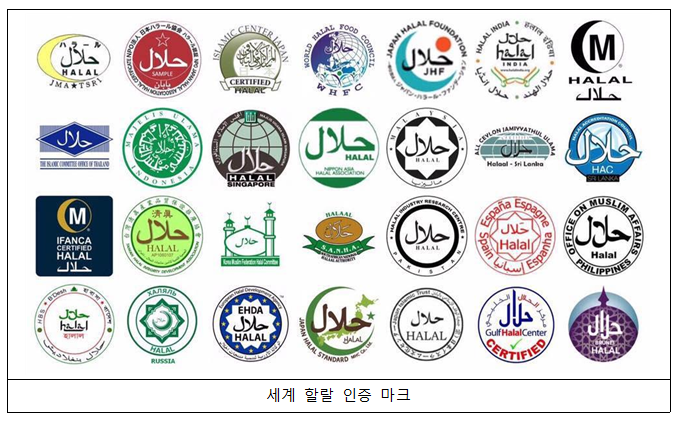
Indonesia’s mandatory Halal certification for cosmetics, effective October 2025, is reshaping the K-beauty export landscape. While large conglomerates have secured compliance, small and medium-sized enterprises (SMEs) risk being locked out of the world’s largest Muslim-majority market. This regulatory shift signals a critical supply-chain inflection point for overseas buyers sourcing from Korea, as non-certified products may face de facto exclusion from Indonesian shelves.
Regulatory deadline and scope
Indonesia’s Halal Product Assurance Agency (BPJPH) will require all cosmetics distributed domestically to carry official Halal certification starting October 2025. The mandate covers not only finished products but also raw materials and processing stages. Five Korean institutions, including Korea Testing Certification Institute (KTC), have signed Mutual Recognition Agreements (MRAs) with Indonesian authorities, allowing local testing. However, passing the certification criteria remains a separate challenge.
Market impact and trade signals
K-beauty exports to Organisation of Islamic Cooperation (OIC) member states reached USD 1.226 billion last year, up from 4.3% of total Korean cosmetics exports in 2021 to 10.7% in 2024. The global Halal cosmetics market is projected to grow from USD 87 billion in 2023 to USD 118 billion by 2028, according to Korea’s Ministry of Food and Drug Safety. Products without Halal certification must carry a "Non-Halal" label, which industry experts say effectively signals market exclusion.
Industry divide: large firms vs. SMEs
Amorepacific, Korea’s leading beauty group, completed Halal certification for over 200 products and all key production facilities, including its Indonesian plant, by 2024. The company enforces a mandatory "pork-free" system across raw materials. In contrast, SMEs face prohibitive costs: certification for a single SKU ranges from KRW 1 million to 10 million, with renewal every two years. Many SMEs with dozens of product variants face total certification costs exceeding KRW 100 million.
Sourcing context for buyers
Halal certification requires full supply-chain traceability—from raw material sourcing to manufacturing, storage, and distribution—plus physical separation of Halal and non-Halal production lines. SMEs often lack the capital to retrofit facilities or install dedicated equipment. Industry experts warn that without government-backed shared OEM/ODM facilities or a certified Halal raw material database, SMEs’ agility—a key K-beauty advantage—will be crippled, potentially reducing supply diversity for overseas importers.
What buyers should watch
Importers and distributors should verify that Korean suppliers hold valid BPJPH-recognized Halal certification before placing orders for Indonesia-bound products. Expect longer lead times for new product development as certification processes take months. The growing OIC market share suggests that Halal compliance will become a baseline requirement for broader Southeast Asian and Middle Eastern distribution, not just Indonesia.
Source: Read the original report | Published: June 13, 2026