
Indie brands are driving K-beauty's second wave, shifting focus from China to global markets like the US and Europe. Backed by Korea's agile ODM ecosystem, these brands are outpacing legacy players in export growth, with small and mid-sized firms accounting for 70% of Q1 2025 exports. For overseas buyers, this signals a supply chain shift toward faster, trend-responsive sourcing from indie-led manufacturers.
Export surge driven by indie brands
South Korea's cosmetics exports hit a record $1.18 billion in May 2025, up 24.2% year-on-year, according to the Ministry of Trade, Industry and Energy. In Q1 2025, total exports reached $3.1 billion, with small and mid-sized enterprises contributing 70% ($2.18 billion)—a quarterly record. Indie brands such as APR (maker of Medi-Peel), Dalba Global (known for flight-attendant mist), and Gudai Global (Joseon Beauty) are leading this growth, while legacy players like Able C&C, Clio, and Neopharm are accelerating global expansion.
ODM ecosystem as competitive edge
The rise of indie brands is underpinned by Korea's cosmetics ODM (original design manufacturing) ecosystem. ODM firms handle product planning, development, and production, allowing brand owners to focus on marketing, sales, and brand building. Unlike traditional vertically integrated companies, indie brands collaborate with ODMs to respond quickly to market trends, leveraging platforms like TikTok Shop and influencer marketing to reach global consumers. This fast-fail, iterative model has become a new K-beauty strength.
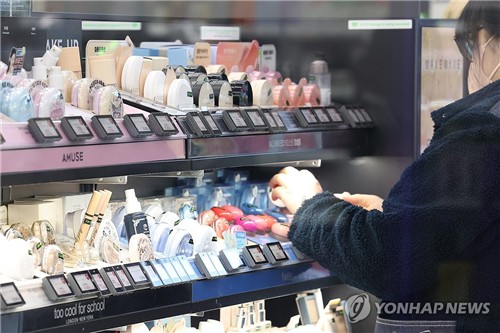
Global trends now lead China
K-beauty's influence is expanding beyond China, reshaping market segmentation. Previously, companies divided markets into China and non-China; now, global consumer trends emerge first, with Chinese consumers following. In May 2025, cosmetics exports to China rose only 5%, while overall exports surged. Analyst Park Jong-dae of Hana Securities notes that Chinese MZ generations are aligning with global trends, boosting demand for mid-priced indie brands. Global bestsellers are now also top sellers in China, reducing the need for separate China strategies.
Legacy players counterattack in North America and Europe
Traditional giants like Amorepacific and LG H&H are leveraging their global distribution networks and R&D to regain ground. In Q1 2025, most major firms exceeded market expectations, driven by growth in North America and Europe. LG H&H launched Dr.Groot in 600 Costco stores across North America and will enter 400 Sephora US stores in August. Amorepacific is focusing on profitability in China while expanding in North America through brands like Laneige and Estra, using online channels, Sephora, and pop-up stores.
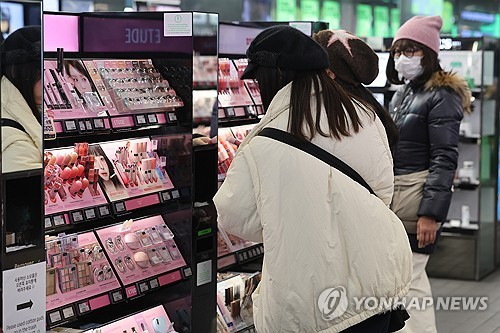
What buyers should watch
For importers and distributors, the key takeaway is the growing role of indie brands and ODM partners in K-beauty supply chains. These players offer faster product cycles and trend alignment, particularly for the US and European markets. The triangular collaboration model—indie ideas, ODM technology, and legacy distribution—is emerging as a standard route for hit products. Buyers should monitor indie brand portfolios and ODM capabilities for sourcing opportunities, especially as global competition intensifies.
Regulatory and channel signals
K-beauty's shift toward global markets is reflected in channel expansion: Amazon, Sephora, Costco, and TikTok Shop are becoming critical for brand visibility. The Ministry of Trade data confirms sustained export momentum, with indie brands driving growth. A beauty industry insider notes that K-beauty is now competing directly with global brands, making supply-chain agility and cross-border partnerships more important than ever.
Source: Read the original report | Published: June 15, 2026