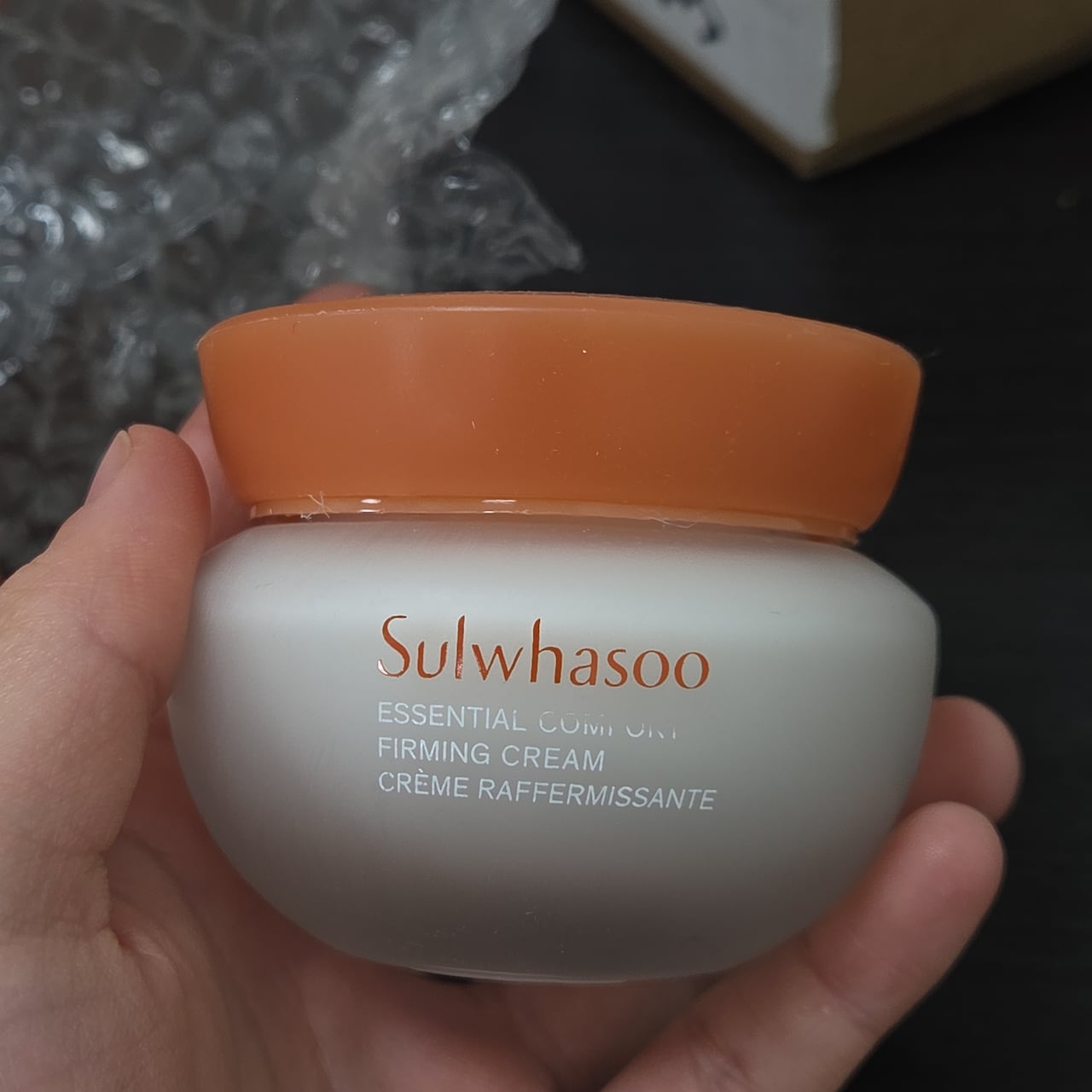
Counterfeit K-beauty cosmetics, meticulously replicating packaging and Korean lettering, are flooding global online platforms, posing serious health risks beyond trademark infringement. For overseas distributors and clinic buyers, this surge threatens brand trust and supply-chain integrity, demanding stricter verification of sourcing channels.
Scale of the problem
According to the Korea Customs Service, counterfeit K-brand items seized over the past year reached 117,000 cases. Cosmetics accounted for 35.9% (41,903 cases), the largest category, followed by toys (33%), food (3%), and clothing (0.9%). China was the origin of 97.7% of all seized counterfeits, with Vietnam at 2.2%.
Brands targeted
Leading Korean cosmetics brands favored globally—Sulwhasoo, Beauty of Joseon, and 3CE—are primary targets. The better-selling and more famous a brand, the more fakes appear. Counterfeiters replicate not only containers and packaging but also Korean lettering, making visual detection increasingly difficult.
Industry and government response
Goodai Global (Beauty of Joseon) filed U.S. lawsuits against sellers on Amazon, eBay, Walmart, and Temu, alleging sellers disguised themselves as certified genuine. The Founders (Anua) seized 2,100 counterfeit Heartleaf Cleansing Oil units at a factory in Zhaoqing, China, in November 2024, and now uses AI monitoring. On June 16, 2026, the Ministry of Intellectual Property, Ministry of Food and Drug Safety, and Korea Customs Service signed an MOU to strengthen crackdowns.
What buyers should watch
Counterfeit cosmetics have unclear manufacturers and distribution channels, making ingredient safety, microbial contamination, and quality control unverifiable. An industry official warned that consumer dissatisfaction or skin side effects from fakes will damage genuine brand credibility. Buyers should purchase only from official brand malls or certified sellers—on platforms like Coupang, prefer 'Rocket Delivery' (direct purchase) over 'Seller Rocket' (third-party).
Regulatory and channel signals
E-commerce platforms suspend sales when illegal products are detected, but counterfeit sellers frequently change accounts or mix genuine and fake items in warehouses. The government MOU aims to build quality-control systems, verify safety, and strengthen response capabilities to international standards, signaling tighter enforcement ahead for K-beauty exports.
Source: Read the original report | Published: June 19, 2026