South Korea's cosmetics industry is experiencing a second global boom, driven by agile indie brands, advanced ODM manufacturers, and social media, rather than legacy conglomerates. For overseas buyers and distributors, this shift signals new sourcing opportunities, particularly in the U.S. and Europe, where K-beauty exports are surging. Understanding the evolving supply chain dynamics is crucial for capitalizing on this structural growth.
Market signal
South Korea has become the world's second-largest cosmetics exporter after France, with beauty products now the country's top consumer export item. Combined exports reached $5.6 billion in January-May 2026, up from $4.6 billion a year earlier, following a record $11.4 billion in 2025. The U.S. became the largest export market in 2025 at $2.2 billion, surpassing China, while Europe saw a 60% on-year jump to $820 million through April 2026.
Indie brands driving demand
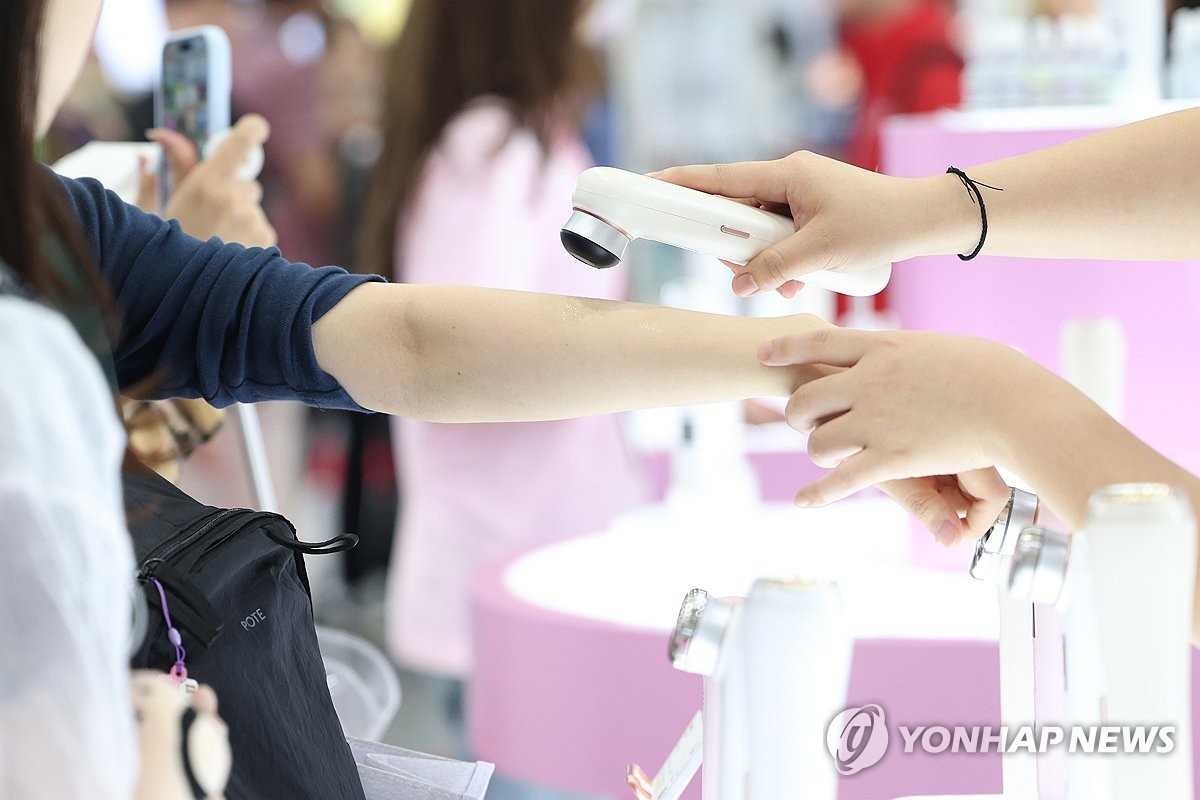
Indie brands like APR, d'Alba, Beauty of Joseon, Anua, and SKIN1004 are leading growth by leveraging TikTok, Amazon, and e-commerce platforms. APR, known for Medicube skincare and home-use beauty devices, now has a market capitalization of around 15 trillion won, exceeding Amorepacific (6.4 trillion won) and LG H&H (3.6 trillion won) combined. International markets, especially the U.S., account for a large portion of APR's sales.
ODM ecosystem as competitive advantage

South Korea's ODM manufacturers, including Cosmax and Kolmar Korea, each generated over 1 trillion won in ODM sales last year. These firms handle product planning, formulation, and production, allowing brands to focus on marketing and distribution. As global demand rises, Korean ODMs are expanding production facilities in North America and Southeast Asia to serve overseas clients more efficiently.
What buyers should watch
Industry analysts predict Europe could become the top export market by 2026, and South Korea may challenge France for the global top spot within four to five years. For importers and distributors, this means diversifying sourcing from traditional Korean giants to indie brands and ODM partners. The virtuous cycle between fast-moving brands and manufacturers accelerates innovation, offering buyers access to trend-responsive products with shorter lead times.
Regulatory and channel signals
The shift from offline retail to direct-to-consumer platforms like TikTok Shop and Amazon is reshaping distribution. Buyers should monitor regulatory changes in the U.S. and EU regarding cosmetic imports, as well as the expansion of Korean ODM facilities in those regions. The convergence of social media, cultural content, and ODM manufacturing creates a structural growth phase that is not dependent on any single market or brand.
Source: Read the original report | Published: June 17, 2026