South Korean beauty and retail companies are accelerating their U.S. market strategies beyond simple exports, now building local logistics centers, opening flagship stores, and pursuing acquisitions. For overseas distributors and clinic buyers, this signals deeper supply-chain integration and more reliable access to K-beauty products, from cosmetics to medical aesthetics consumables, directly from U.S. warehouses and retail networks.
Market signal
South Korea's beauty and retail sector is undergoing a strategic shift from export-driven models to full localization in the United States. Companies are no longer just shipping products; they are establishing physical logistics hubs, opening offline stores, and acquiring local brands to secure a permanent foothold. This evolution is driven by the K-culture wave, a high won-dollar exchange rate, and the need to reduce reliance on China amid geopolitical risks.
Key company moves
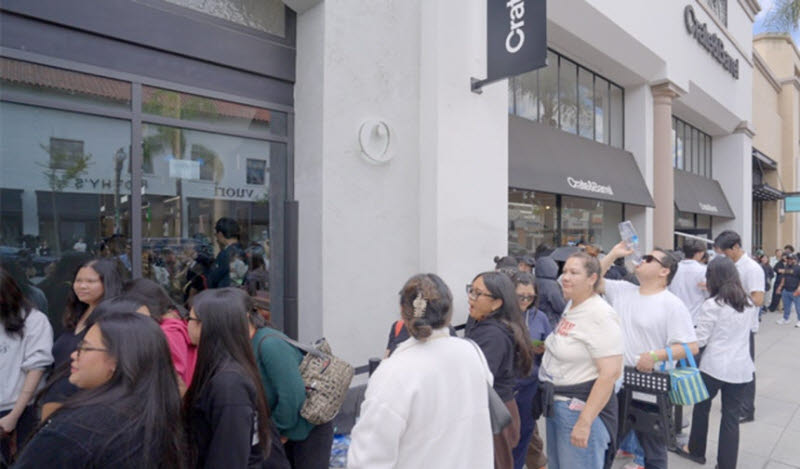
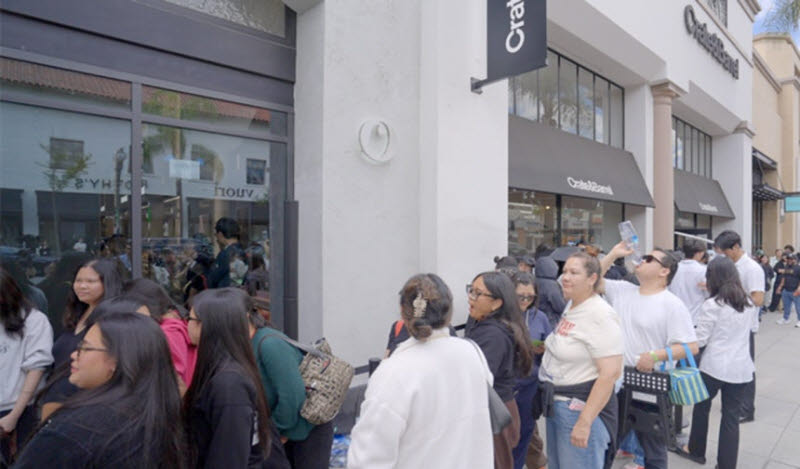
CJ Olive Young opened its first U.S. store in Pasadena, California on May 29, 2026, recording over 1,000 transactions on opening day with queues stretching 400 meters. A second store in LA's Century City opened on June 13, with plans to expand to the East Coast and South-Central regions. Kurly (Market Kurly) activated frozen logistics centers in Chambersburg, Pennsylvania and Turlock, California on June 15, shifting from individual air shipments to bulk warehousing and local delivery.
M&A and brand localization
Amorepacific acquired skincare brand COSRX in 2023, boosting North American sales to surpass China for the first time in 2024. LG Household & Health Care's Dr.Groot hair-care brand, after building recognition through Costco and Amazon, will launch in 90+ Sephora core stores in August 2026, with full rollout to 400 locations. These moves indicate a deeper commitment to U.S. distribution infrastructure.
Trade data and currency impact
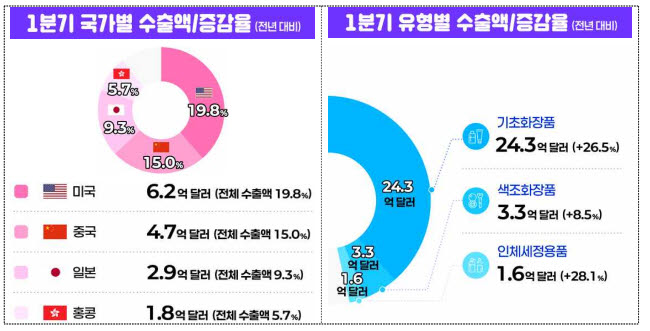
In Q1 2026, South Korean cosmetics exports to the U.S. reached $620 million, up 40.9% year-on-year, while exports to China fell 9.6% to $470 million. The U.S. became the top export destination in 2025, overtaking China for the first time. The won-dollar exchange rate above 1,500 won further boosts dollar-denominated revenue, though it also raises raw material and logistics costs. Total cosmetics exports hit a record $11.4 billion in 2025, and agricultural food exports surpassed $10 billion for the first time.
What buyers should watch
For U.S. importers, distributors, and clinic buyers, the localization push means more stable and faster supply of K-beauty and medical aesthetics products. Companies are investing in local warehousing, retail partnerships, and brand acquisitions, reducing lead times and logistics uncertainties. However, rising local operating costs—logistics, labor, rent, and tariffs—may affect pricing. Buyers should monitor how each company's U.S. infrastructure develops, as those with robust local networks will likely offer better service reliability and margin stability.
Source: Read the original report | Published: June 18, 2026