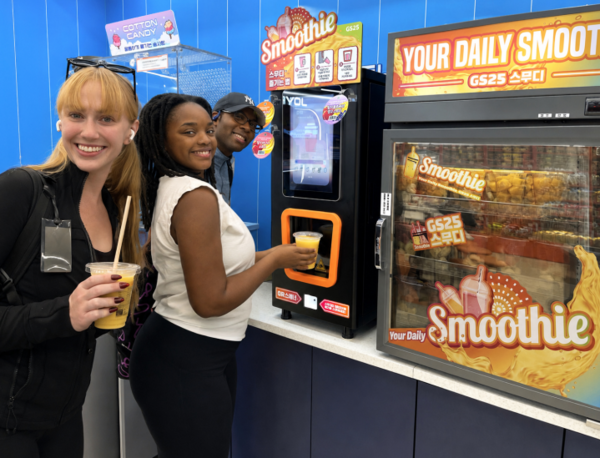
Korean convenience stores are emerging as essential stops for foreign tourists, driven by demand for authentic local experiences and K-culture products. This shift from traditional duty-free and department store shopping presents new opportunities for medical aesthetics and beauty brands to reach overseas buyers through retail partnerships and product placement in these high-traffic stores.
Market signal
Foreign tourist spending in Seoul reached 1.1532 trillion won in April, with 45.4% allocated to shopping. Convenience store chains reported significant sales growth from foreign customers: CU saw a 101.2% increase, GS25 74.2%, and Seven-Eleven 60% year-on-year. This trend is concentrated in tourist hubs like Myeongdong, Hongdae, Seongsu, and Insa-dong, where growth rates far exceed general commercial areas.
Retailer strategies
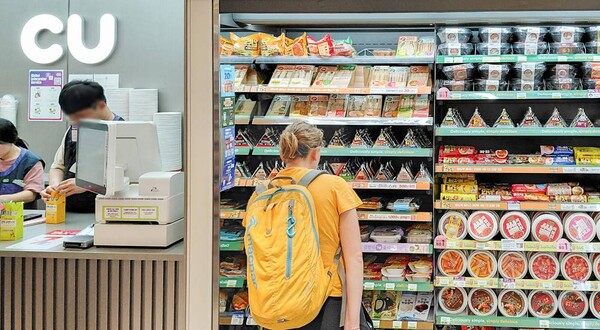
GS25 is leading with specialized stores and services, including K-convenience guidebooks, foreign currency exchange kiosks, instant tax refunds, AI skin diagnosis devices, photo printing services, and K-goods vending machines. The chain operates K-Station zones for Korean food, fresh fruit smoothie stores, and idol album sections, positioning itself as a K-culture experience hub beyond shopping. CU differentiates with K-content-focused stores, such as the Hongdae branch featuring a "Ramen Library" with over 100 types of bagged ramen, where foreign sales accounted for about 70% last year. The chain analyzes tourist area sales data to tailor product assortments by nationality, targeting preferences distinct from local customers. Seven-Eleven is expanding tourist-oriented stores under its New Wave franchise model, strengthening K-food offerings in areas like Myeongdong, Dongdaemun, and Busan. The Haeundae branch sells local-themed T-shirts, while the Gwangalli store saw foreign sales exceed 60% this year.
What buyers should watch
For overseas beauty and medical aesthetics distributors, these convenience stores offer a direct channel to showcase products to high-spending tourists. GS25's AI skin diagnosis devices and K-beauty product placements signal growing demand for aesthetic and skincare items. Brands could explore partnerships with chains to feature products in tourist-heavy locations, leveraging the trend of tourists seeking authentic Korean beauty and wellness experiences.
Regulatory and channel signals
The integration of instant tax refund services and foreign currency payment options at convenience stores simplifies purchasing for tourists, reducing barriers for impulse buys of beauty and health products. This regulatory support enhances the retail environment for foreign buyers, making it easier to test and purchase items that could later be sourced for overseas markets.
Sourcing context
Korean convenience stores are evolving into hybrid retail-experience spaces, blending food, beauty, and cultural goods. For B2B buyers, this signals a shift in consumer behavior toward experiential shopping, where product placement in these stores can drive brand awareness and demand. Monitoring which beauty and aesthetic products gain traction in these outlets can inform sourcing decisions for international markets.
Source: Read the original report | Published: June 03, 2026