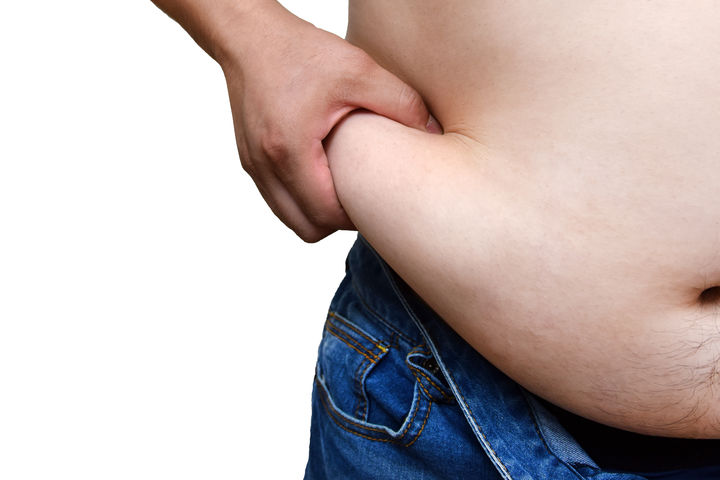
A new safety study from South Korea's National Evidence-based Healthcare Collaborating Agency (NECA) reveals that liposuction, primarily performed for cosmetic purposes, carries a complication rate of up to 6%, with serious complications such as infection, bowel perforation, and embolism occurring in about 1% of cases. This finding is critical for overseas buyers and distributors of aesthetic devices and consumables, as it underscores the need for high-quality, safe equipment and thorough patient education in the supply chain.
Study background and methodology
NECA released its safety report on cosmetic liposuction on June 11, 2026, prompted by public concerns over the gap between online portrayals of liposuction as safe and effective and ongoing reports of adverse events and fatalities. The research included a systematic literature review, analysis of domestic medical litigation cases since 2010, and qualitative surveys of doctors and patients with liposuction experience.
Key findings on complication rates
The systematic review found overall complication rates ranging from 2.62% to 6%, with serious complications around 1%. Domestic analysis of a large patient cohort reported no deaths, but individual case studies identified rare but severe complications. Medical litigation cases linked bowel perforation, anesthesia-related accidents, and bleeding to fatalities.
Patient information behavior and asymmetry
Qualitative surveys revealed that patients seeking liposuction information heavily rely on online reviews, advertisements, and personal experiences, raising concerns about information asymmetry between medical staff and patients. NECA noted that the evidence base has limitations, as included studies were mostly case reports and cohort studies, and litigation cases represent only disputes that escalated.
What buyers should watch
For overseas importers and distributors of liposuction devices, cannulas, and consumables, this study highlights the importance of supplying equipment that minimizes complication risks, such as those with advanced safety features for fat aspiration and monitoring. Additionally, the demand for patient education materials—like NECA's newly developed information booklet covering procedure definitions, recovery periods, complication types, and pre-surgery consultation checklists—presents an opportunity for suppliers to offer complementary educational resources to clinics.
Regulatory and channel signals
NECA's initiative, which includes a poster with the key message 'Liposuction is also surgery,' signals a regulatory push for transparency and informed consent in South Korea. This may influence procurement standards for aesthetic clinics, favoring suppliers who provide clear safety documentation and training support. Distributors should monitor similar trends in other markets where regulatory bodies are tightening oversight of cosmetic procedures.
Source: Read the original report | Published: June 11, 2026