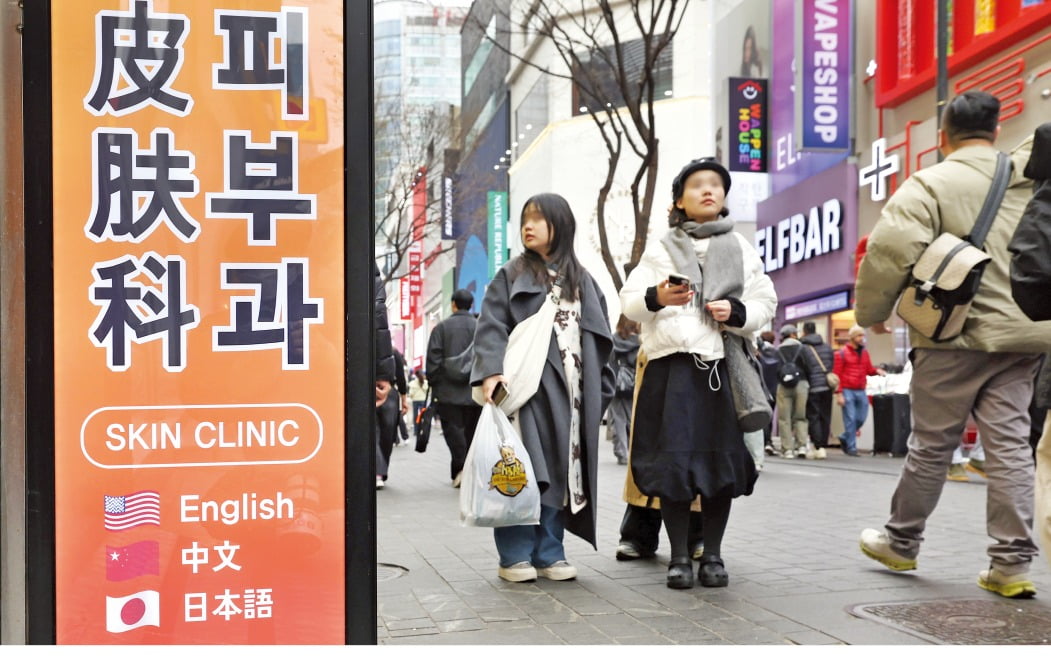
South Korea's medical tourism market is booming, with foreign patient numbers exceeding 2 million in 2025 and spending estimated at KRW 12.5 trillion. For overseas aesthetic buyers and distributors, this signals growing demand for dermatology devices, ophthalmic equipment, and oriental medicine tools, as well as hospitality partnerships catering to recovery stays.
Market signal
According to the Korea Tourism Organization, foreign visitors to South Korea reached 6.77 million in January–April 2026, up 21.4% year-on-year. Growth is driven by Chinese (+27.7%), Japanese (+19.6%), and Western markets (+11.7%). The Ministry of Health and Welfare reported over 2.01 million foreign patients in 2025, with the Korea Institute for Industrial Economics & Trade estimating medical tourism spending at KRW 12.5 trillion and a production ripple effect exceeding KRW 22 trillion.

Diversification beyond dermatology
While dermatology still accounts for 49% of medical tourism transaction value on the inbound platform Creatrip, ophthalmology has surged to 44%, with the two categories combined exceeding 90%. Ophthalmology visits grew approximately 40% year-on-year, ranking 8th among foreign patient departments but showing high future potential. Oriental medicine also saw a record 37,087 foreign patients in 2025, the highest since 2009, driven by K-pop and Netflix content. Creatrip reported a 89-fold increase in oriental medicine transaction value in H2 2025 versus H1.
Hospitality infrastructure adaptation

Medical tourists now stay an average of 10 days at hotels like the Yeouido Marriott, with some extending over a month for treatment and recovery. Hotels are offering customized services such as hospital shuttle coordination, recovery meals, and cooled mask storage. The Andaz Seoul Gangnam partners with nearby plastic surgery clinics to offer special rates, noting a preference for 4-star over 5-star hotels due to longer stays and cost considerations.
What buyers should watch
For medical aesthetics suppliers, the trend signals rising demand for dermatology lasers, skin diagnostic devices, ophthalmic surgery equipment, and oriental medicine tools like acupuncture and chuna devices. Hospitality partnerships also create opportunities for recovery-focused consumables and clinic setup services. The integration of K-culture with medical trust suggests sustained demand for high-quality, cost-competitive aesthetic devices and consumables.

Regulatory and channel signals
Industry experts emphasize that medical and wellness tourism are no longer separate. Lee Kwan-young of Yanolja Research noted that South Korea's world-class medical technology, competitive pricing, and K-culture fandom are driving demand. Creatrip CEO Lim Hye-min highlighted that K-content naturally builds trust in Korean medical services, creating repeat demand. This underscores the need for suppliers to align with Korea's integrated prevention-treatment-recovery ecosystem.
Source: Read the original report | Published: June 01, 2026