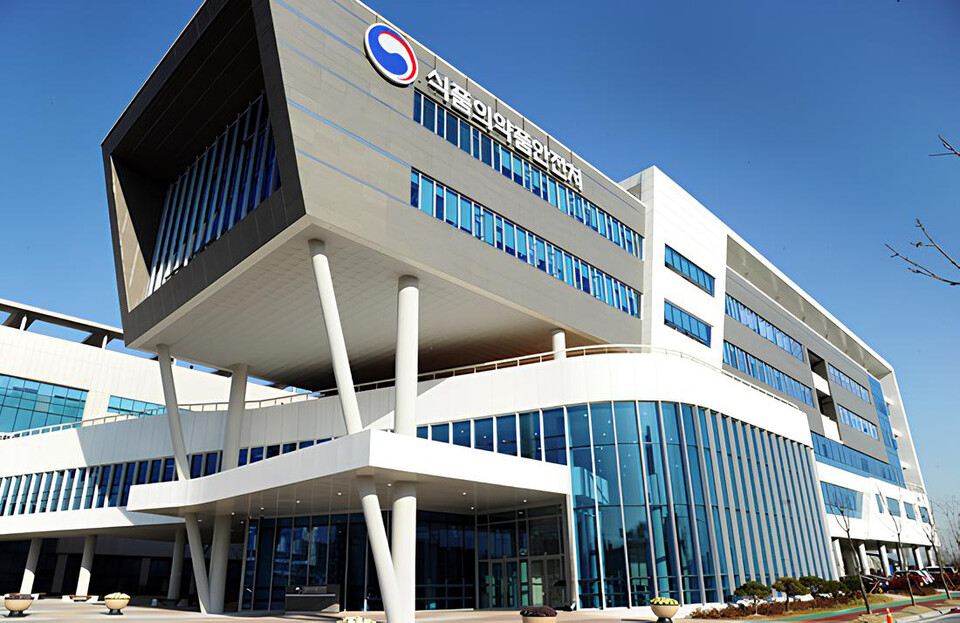
South Korea's Ministry of Food and Drug Safety (MFDS) has approved a novel ultrasound-based surgical device for adjunctive hypertension treatment, signaling a new regulatory milestone for energy-based aesthetic and medical device suppliers. The approval opens a potential channel for distributors and clinics offering advanced interventional technologies.
Device and procedure overview
The approved device uses ultrasound energy for renal denervation, a procedure that suppresses sympathetic nerve activity around the renal arteries. A catheter is inserted through the femoral artery, and a transducer inside the catheter generates ultrasound energy to create thermal effects that disrupt targeted nerves. This technology is relevant for medical aesthetics supply-chain buyers interested in energy-based device platforms that may expand into aesthetic applications.
Clinical trial results
Clinical data submitted to MFDS showed that blocking sympathetic nerve activity led to a greater reduction in systolic blood pressure. The treatment group experienced an average decrease of 8.16 mmHg, compared to 2.36 mmHg in the control group, yielding an additional average reduction of 5.8 mmHg. These results support the device's efficacy for adjunctive use in hypertension management.
Regulatory and channel signals
MFDS stated it will continue to ensure public access to safe and effective medical devices through prompt and fair approval processes. The agency emphasized efforts to provide more patients with diagnosis and treatment opportunities. For overseas importers and distributors, this approval indicates South Korea's openness to novel energy-based devices, potentially easing future market entry for similar technologies.
Sourcing context
This approval highlights the growing regulatory acceptance of ultrasound-based devices in therapeutic applications beyond aesthetics. Buyers and distributors monitoring energy-based device trends should consider South Korea as a viable market for sourcing or partnering on innovative interventional platforms. The device's catheter-based design also underscores the importance of consumables and accessories in the supply chain.
Source: Read the original report | Published: June 08, 2026