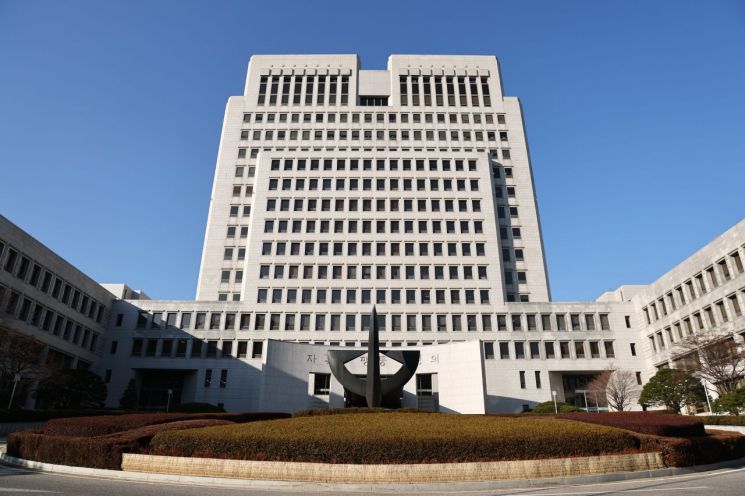
South Korea's Supreme Court has finalized the acquittal of a beauty salon owner who performed semi-permanent makeup procedures, including eyebrow and hairline tattoos, without a medical license. The ruling, issued on June 11, 2026, confirms that ordinary cosmetic tattooing by non-medical professionals does not constitute unlicensed medical practice under the Medical Service Act. This landmark decision clarifies the legal boundary between aesthetic services and medical procedures, directly impacting the supply chain for tattoo pigments, devices, and training programs in South Korea's medical aesthetics market.
Case background
Defendant A, a beauty salon operator without a medical license, was charged with violating the Act on Special Measures for the Control of Health Crimes for performing eyebrow and hairline tattoo procedures on 14 clients between March and June 2019, receiving a total of 2 million won. Prosecutors argued these actions constituted unlicensed medical practice under both the Special Measures Act and the Medical Service Act.
Court rulings
Both the first and second instance courts found that A's tattoo procedures did not constitute medical practice and acquitted the defendant. The prosecutor appealed, but the Supreme Court's Third Division upheld the lower court's acquittal, citing the full bench decision on May 21 that changed previous precedent. The court stated: "Tattooing is divided into calligraphic tattoos for artistic expression and cosmetic tattoos that emphasize or alter one's original appearance. While tattooing can be performed by a medical professional, it is commonly performed by non-medical professionals."
Legal reasoning
The Supreme Court ruled that "ordinary cosmetic tattooing performed by non-medical professionals does not constitute unlicensed medical practice under Article 27, Paragraph 1 of the Medical Service Act." This distinction between medical and non-medical tattooing procedures provides legal clarity for aesthetic service providers and the supply chain supporting semi-permanent makeup.
Regulatory and channel signals
This ruling removes a major legal risk for non-medical professionals offering cosmetic tattooing services in South Korea. For overseas suppliers of tattoo pigments, needles, devices, and training curricula, this decision signals a stable regulatory environment for distributing to beauty salons and aesthetic clinics without requiring medical licensing. Importers and distributors should monitor whether local health authorities issue any revised guidelines following this precedent.
Sourcing context
South Korea is a major manufacturing hub for semi-permanent makeup supplies, including pigments, hand tools, and digital tattoo machines. This legal clarity may encourage more beauty professionals to enter the market, potentially increasing demand for consumables and training programs. Buyers should verify that products comply with Korean cosmetics or medical device regulations, as the ruling does not exempt products from safety and labeling requirements.
Source: Read the original report | Published: June 11, 2026