A South Korean court has delivered a split verdict on an esthetician performing medical aesthetic procedures under a doctor's direction: guilty for ultrasound-based fat dissolving, but innocent for extracorporeal shock wave therapy (ESWT). The ruling, which underscores the legal boundaries of non-physician aesthetic practice, carries significant implications for clinic operators and device distributors in the medical aesthetics supply chain.
Case background
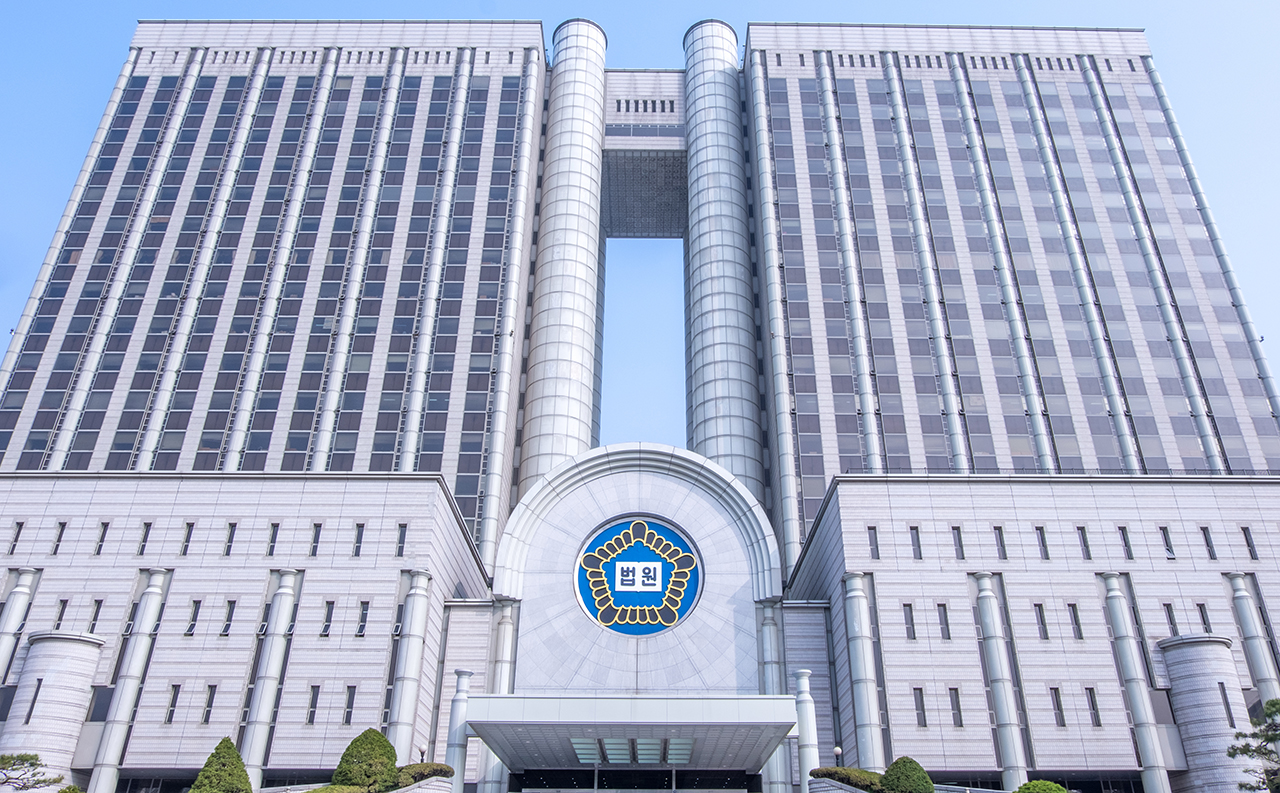
The Seoul Central District Court's Criminal Division 9-1 recently dismissed the prosecution's appeal against esthetician A, who was indicted for practicing medicine without a license. In November 2017, A, working at a dermatology clinic, performed ultrasound fat-dissolving procedures on patients in collaboration with physician B. The prosecution argued this constituted unlicensed medical practice. The court upheld the first-instance verdict of a suspended fine of 500,000 KRW (approximately $380) for the ultrasound procedures, while acquitting A for the ESWT treatments.
Court reasoning for ultrasound ruling
The court rejected A's defense that the ultrasound procedure was non-invasive and carried no risk of side effects. It stated: "Although the ultrasound procedure is not invasive and no adverse events occurred during Dr. B's tenure, this procedure induces chemical changes in human tissue. It requires a medical professional with knowledge of human physiology beyond just machine operation and safety instructions." The court noted that A had not received systematic medical education and that Dr. B merely specified intensity and duration per area, effectively leaving A to perform the procedure without direct physician oversight.
ESWT acquittal rationale
In contrast, the court acquitted A for ESWT, distinguishing it from orthopedic ESWT used for musculoskeletal conditions. Citing Dr. B's testimony, the court explained: "The ESWT used for obesity treatment, edema reduction, and circulation improvement differs from machines used in orthopedics. It targets subcutaneous fat layers rather than muscles, penetrates shallowly, causes minimal pain, and serves as an ancillary device for obesity injections or cellulite circulation enhancement, with negligible side effects." The court also noted insufficient evidence of medical risk or required medical knowledge for the specific ESWT device used.
Regulatory and channel signals
This case highlights the evolving regulatory landscape for aesthetic devices in South Korea. Distributors and clinic buyers should note that ultrasound devices for fat reduction are classified as requiring medical professional operation, while certain ESWT devices for aesthetic purposes may face less stringent requirements. However, the ruling does not establish a blanket exemption for ESWT; each case depends on device specifications, intended use, and evidence of medical risk. Importers should verify device classification and ensure compliance with local medical practice laws.
Sourcing context
For overseas buyers sourcing aesthetic devices for the South Korean market or similar regulated environments, this ruling underscores the importance of understanding how local courts interpret "medical practice." Devices that induce chemical or physiological changes in tissue are more likely to require licensed medical professionals for operation. When selecting OEM partners or distributors, ensure that device labeling and training materials clearly specify the required operator qualifications to avoid legal liability for clinic clients.
Source: Read the original report | Published: June 02, 2026