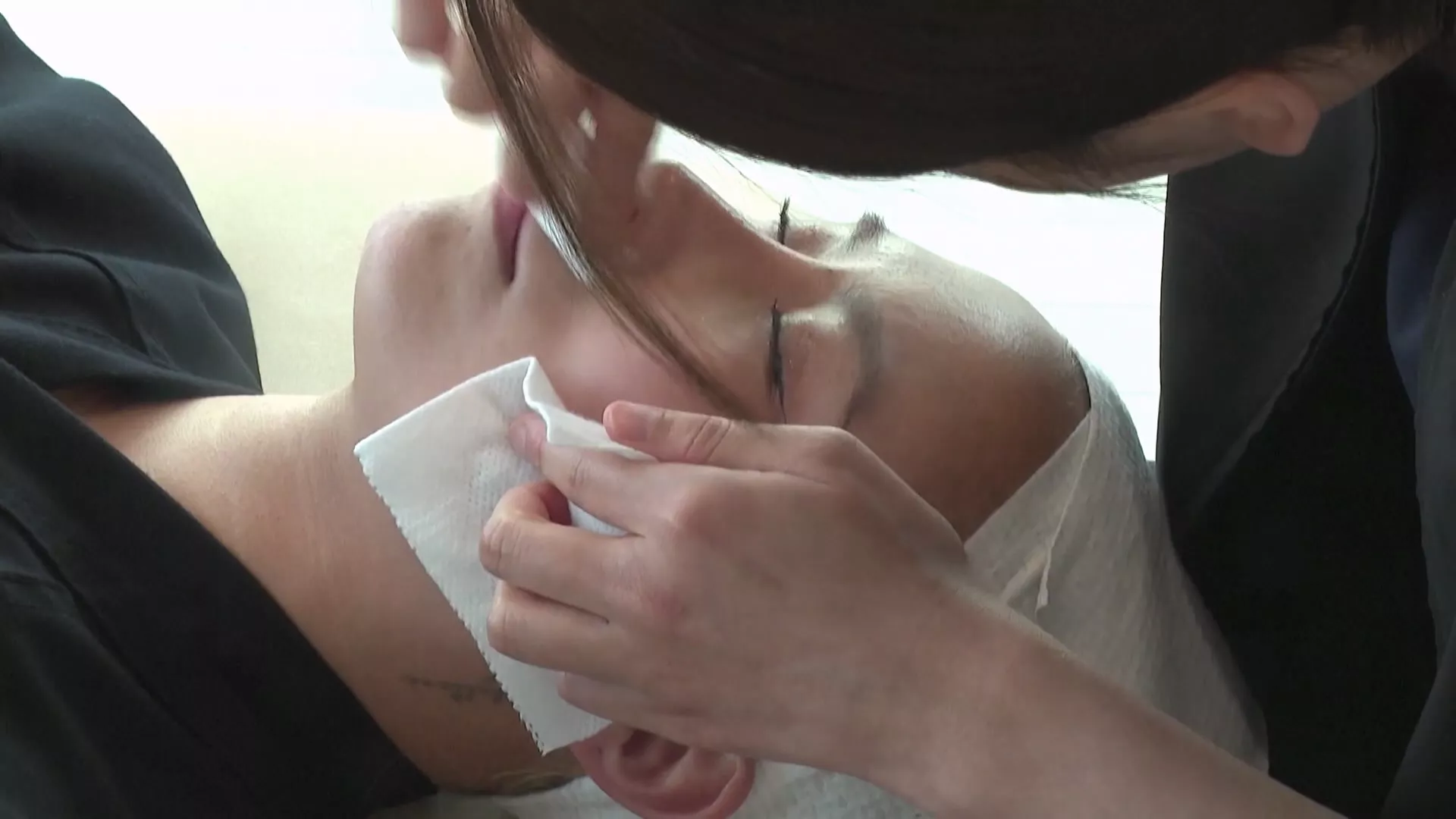
South Korea’s K-Beauty wave, fueled by K-Pop and competitive pricing, has driven medical tourism to new heights. In 2025, the country attracted 2.01 million international patients—nearly double the 1.17 million in 2024—with over half seeking dermatology and plastic surgery services. However, the boom comes with a sharp rise in medical disputes, which surged nearly 10-fold in four years, alongside rampant illegal broker activities.
Market signal
South Korea’s medical aesthetic tourism market is expanding rapidly, driven by price advantages and advanced technology. Foreign patients reached 2.01 million in 2025, up from 1.17 million in 2024, according to the Ministry of Health and Welfare. Non-invasive treatments, such as laser lifting and injectables, are increasingly popular, replacing traditional surgical procedures. This trend signals growing demand for K-Beauty services among overseas buyers, particularly from the U.S. and Middle East.
Regulatory and channel signals
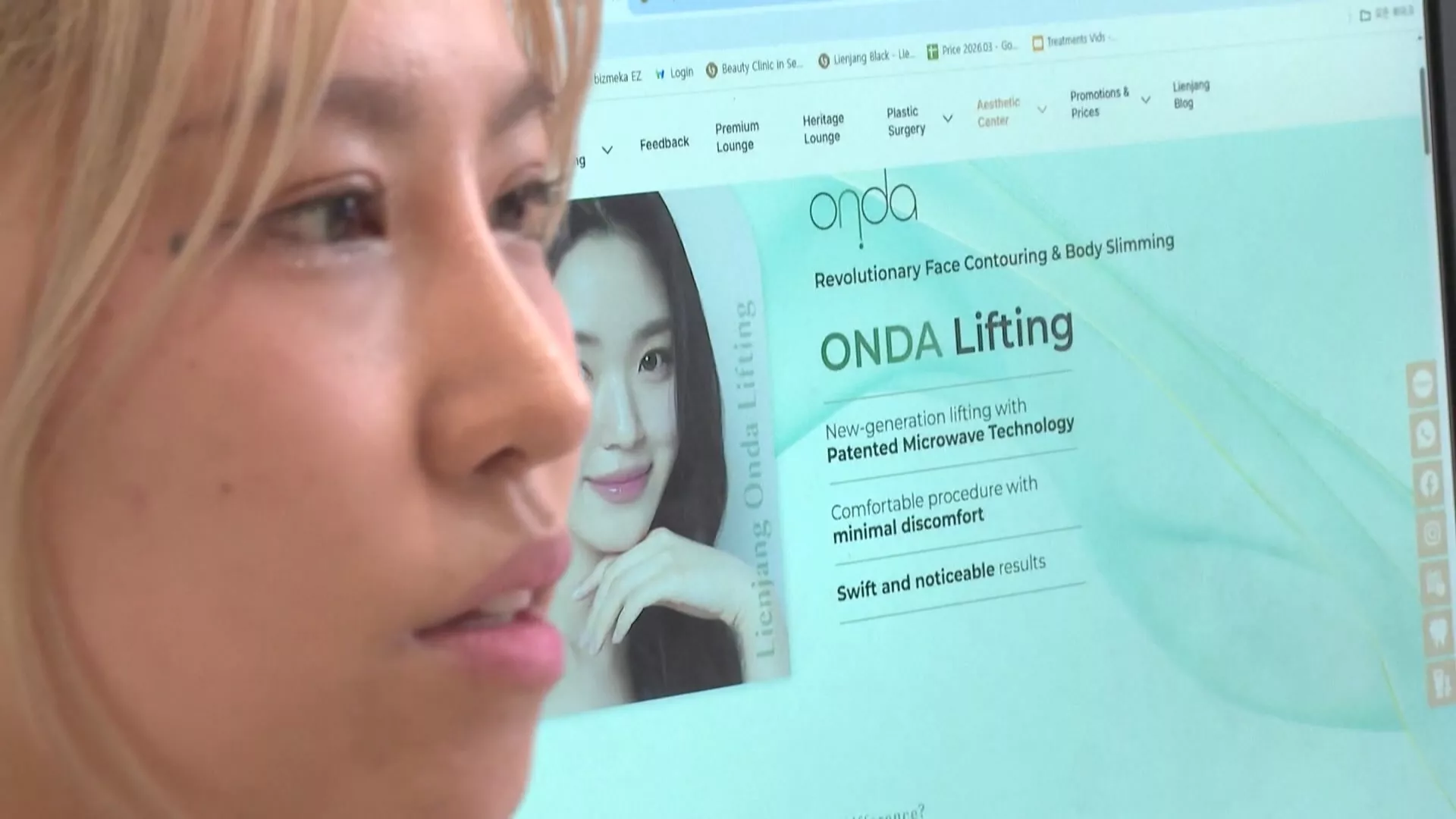
Despite the growth, regulatory risks are escalating. Medical disputes and consumer complaints rose nearly 10-fold between 2021 and 2025, per the Korea Health Industry Development Institute. Illegal intermediaries are also proliferating, charging exorbitant fees and violating regulations. Overseas buyers should monitor South Korea’s enforcement actions and consider partnering only with licensed clinics to avoid liability.
Sourcing context
For distributors and clinic buyers, South Korea remains a key sourcing hub for aesthetic devices, injectables, and skincare OEM. The government’s strategic push since 2009 has built a robust ecosystem with multilingual services and competitive pricing. However, the surge in disputes underscores the need for due diligence when selecting suppliers or partners. Non-invasive device categories, such as laser and radiofrequency, are particularly in demand.

What buyers should watch
Buyers should prioritize suppliers with transparent pricing and regulatory compliance. The rise in illegal broker cases highlights risks in the supply chain, especially for consumables and packaging. Clinics and distributors should verify certifications and avoid unverified intermediaries. The K-Beauty trend offers opportunities, but safety and legal adherence must remain non-negotiable.
Source: Read the original report | Published: June 05, 2026