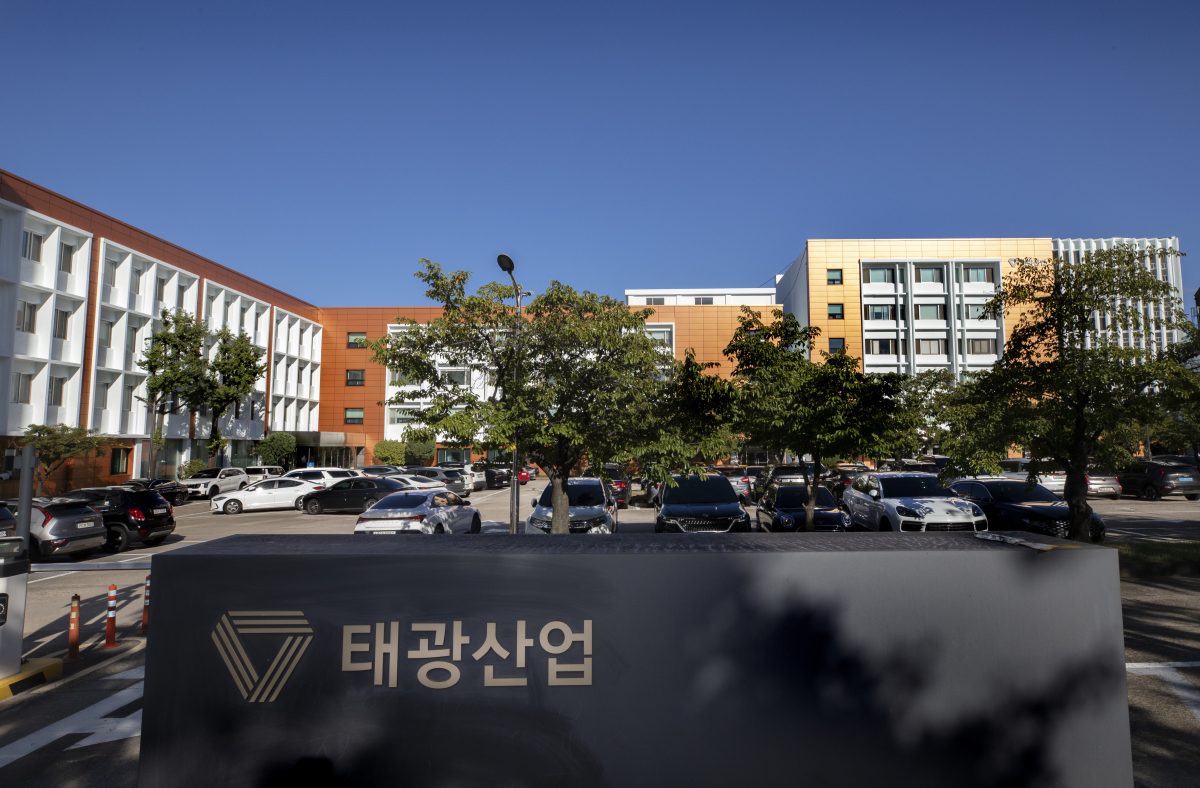
South Korea's Taekwang Industrial is aggressively pivoting from its core petrochemical and textile business toward a beauty and healthcare platform through a series of large-scale M&A deals, including the acquisition of DongSung Pharmaceutical and the launch of cosmetics subsidiary SIL with its debut brand Safin. For overseas buyers and distributors in medical aesthetics, this signals a new integrated B2C channel for derma, hair care, and OTC pharmaceutical products, backed by a conglomerate's manufacturing and distribution capabilities.
Strategic shift from B2B petrochemicals to B2C beauty & healthcare
Taekwang Industrial has completed the acquisition of DongSung Pharmaceutical, following the purchase of Courtyard Marriott Seoul Myeongdong hotel late last year and the integration of Aekyung Industrial in March. The company also recently established a dedicated cosmetics subsidiary, SIL, which launched its first brand, Safin. These moves form a "beauty and healthcare platform" spanning cosmetics, pharmaceuticals, hair dyes, derma care, and hair care.
The company plans to combine DongSung's stable OTC and hair care product base with its own brand operation capabilities, product planning, and distribution channels to strengthen product competitiveness.
Financial pressure drives diversification
Taekwang's revenue has declined steadily from KRW 2.70 trillion in 2022 to KRW 1.83 trillion in 2025, with operating losses for four consecutive years due to global oversupply, weak demand, and rising manufacturing costs. The industry expects the core petrochemical business to recover only after 2028.
To improve profitability, Taekwang is expanding production capacity for high-margin products such as sodium cyanide (NaCN) and aramid, while continuing to invest in real estate development for stable income.
What buyers should watch
For overseas importers and distributors of medical aesthetics products, Taekwang's new platform offers potential sourcing opportunities in derma and hair care categories. The company's existing B2B infrastructure and recent B2C pivot could lead to competitive OEM/ODM services for clinic-grade skincare and OTC pharmaceuticals. However, the group's heavy reliance on petrochemicals (over 80% of revenue) and ongoing losses mean that the beauty and healthcare division's long-term stability and investment capacity should be monitored closely.
Regulatory and channel signals
Taekwang's shareholder letter in April outlined plans to expand high-value petrochemical products, grow consumer B2C businesses in beauty and healthcare, and explore energy ventures. The company emphasized that new business development is being pursued cautiously with a mid- to long-term value enhancement goal. This suggests that while the beauty pivot is strategic, it may take time to deliver consistent supply-chain benefits for overseas buyers.
Sourcing context
Taekwang's acquisition of DongSung Pharmaceutical adds OTC drug manufacturing capabilities, while SIL's brand Safin indicates a push into finished cosmetics. For clinic buyers and distributors, this could mean access to Korean-made derma and hair care products through a vertically integrated conglomerate. However, the company's financial health and the nascent stage of its beauty division warrant due diligence before committing to large-scale sourcing agreements.
Source: Read the original report | Published: June 19, 2026