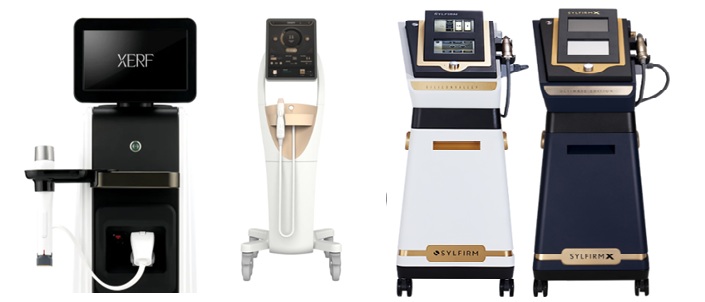
Three of South Korea’s top aesthetic device makers—Lutronic, Jeisys Medical, and Viol—have voluntarily delisted from the KOSDAQ after being acquired by private equity funds (PEFs) over the past three years. This trend signals a strategic shift: rather than treating delisting as a sign of failure, PE buyers are using it to restructure operations and accelerate global expansion, which directly impacts overseas distributors and clinic buyers who rely on these OEM/ODM suppliers.
Market signal
Lutronic, the No. 1 domestic and No. 5 global aesthetic laser device maker, was taken private by Hahn & Company in 2023 after a tender offer. The PE firm then acquired global leader Syneron Candela, merging the two into Syneron Lutronic. The combined entity now leverages Lutronic’s laser technology with Syneron’s global distribution network to target international markets more aggressively.
Jeisys Medical, known for devices like Tenserty, LinearZ, and Potenza, was acquired by French healthcare PE firm Archimed for about KRW 1 trillion in 2024 and delisted just three years after its SPAC merger listing. Viol, the pioneer of bipolar radiofrequency (BRF) non-insulated microneedle technology, was taken private by VIG Partners in 2024 and renamed Viol Medical, now focusing on U.S. and European expansion.
Regulatory and channel signals
PE firms cite faster decision-making and greater operational flexibility as key reasons for delisting. Public companies face disclosure obligations, minority shareholder rights, and dividend demands, while private firms can restructure more freely. This trend may pressure other listed aesthetic device makers—such as Classys and Wontech—to consider similar moves, potentially reducing the pool of publicly traded suppliers for international buyers.
Sourcing context
For overseas importers and distributors, the delisting of these major OEM/ODM players could mean changes in supply stability, pricing, and partnership terms. Private ownership often leads to more aggressive global expansion and product portfolio consolidation, which may benefit buyers seeking integrated solutions. However, reduced transparency and fewer public financial disclosures could complicate due diligence for new partners.
What buyers should watch
Industry insiders note that with only a few aesthetic device companies remaining listed in Korea, the next acquisition target is highly anticipated. Buyers should monitor which firms become private and how their global distribution strategies evolve. Direct engagement with these newly private companies may offer better access to exclusive technologies and customized OEM arrangements.
Source: Read the original report | Published: June 07, 2026