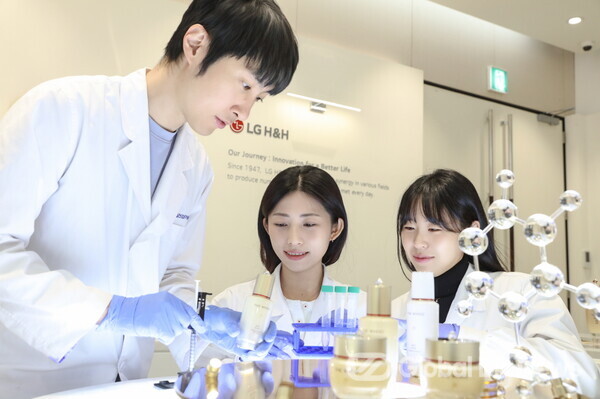
The global beauty market is undergoing a paradigm shift in 2026, moving from surface-level skincare to cell-level metabolic health restoration. For overseas importers, distributors, and clinic buyers, this means a new wave of bio-cosmetic devices and nano-delivery platforms that blur the line between beauty and medical devices, creating fresh sourcing opportunities in Korea's advanced "K-Clinic Derma" segment.
Cell-Reviving Bio Technology: LG H&H's NAD Power24™ and Wearable Device
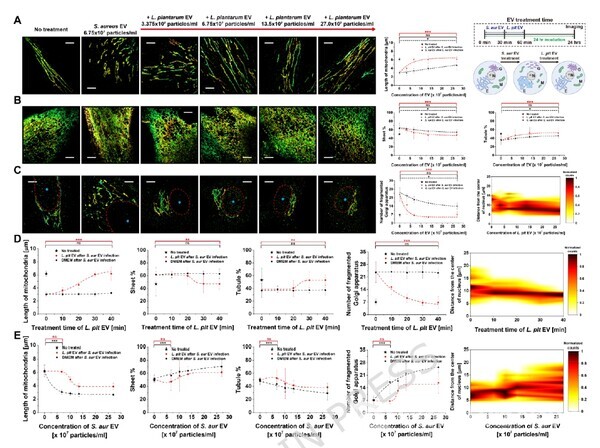
LG Household & Health Care has introduced NAD Power24™, a stabilized form of the key coenzyme NAD+, targeting cellular energy production. A study published in the Journal of Nanobiotechnology demonstrated that this technology restores damaged skin cells at the mitochondrial level within about 30 minutes. The mechanism involves Lactobacillus plantarum-derived extracellular vesicles (EVs) delivering NAD+ to repair damaged organelles (mitochondria, endoplasmic reticulum, Golgi apparatus) and reduce inflammatory cytokines IL-6 and IL-8. In partnership with biotech startup Mimetics, LG H&H developed the "Hyper Rejuvenating Eye Patch," which won a CES 2026 Innovation Award. This wearable device uses a bio-inspired double-layer negative pressure patch that mimics octopus suction cups, temporarily deforming the stratum corneum to deliver active ingredients deep into the skin without gravity interference. An AI diagnostic system analyzes over 60,000 data points to quantify eye-area aging indicators (wrinkles, pigmentation) in five seconds, then recommends optimized LED wavelengths and ingredients in real time.
Protein Engineering Excellence: Celltrion's Multi-Layer Nano-Structured EGF
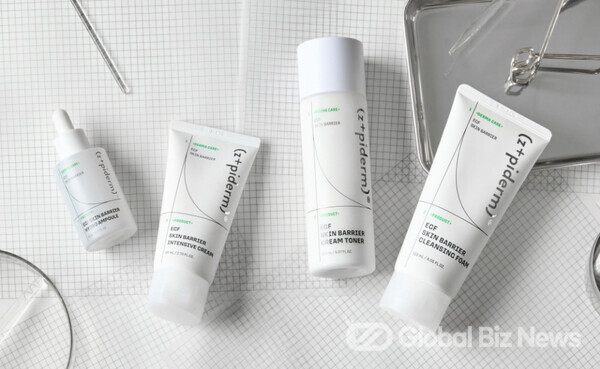
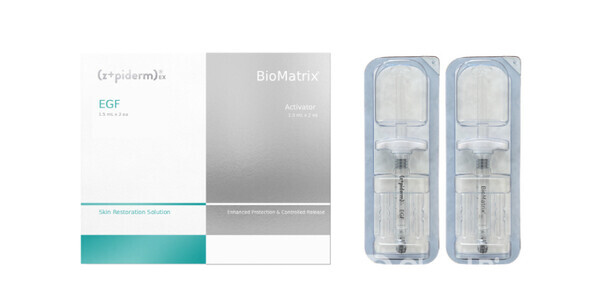
Celltrion Skincare's derma-cosmetic brand Zipiderm has advanced bio-beauty with its patented Celltrion Bio EGF™. Epidermal growth factor (EGF) is known for skin regeneration but has been limited by large molecular size and heat sensitivity. After approximately 90,000 hours of research, Celltrion developed a 150-nanometer multi-layer nano-structure that encapsulates the unstable EGF protein in layers, maximizing structural stability. This technology boosts skin absorption by over 170% compared to conventional liposome systems, with drug efficacy maintained for more than 100 days without particle size change. The breakthrough addresses a key challenge for protein-based active ingredients in aesthetic formulations.
Metabolic Beauty: Skin as a Biomarker for Systemic Health
According to Mintel's "2026 Global Beauty Trends" report, consumers now expect beauty products to act as a "dashboard" reflecting internal well-being, driving the rise of "Metabolic Beauty." Korean cosmetic development firm Imiin has identified "K-Clinic Derma" as a key H2 2026 trend, shifting focus from surface glow to fundamental barrier improvement and longevity. Wrinkles and pigmentation are no longer seen as mere cosmetic flaws but as biomarkers of systemic metabolic health and biological aging. An industry insider commented: "2026 beauty technology has moved beyond traditional cosmetology of mixing good ingredients. We have fully entered the era of hyper-personalized medical beauty, where synthetic biology-cultured custom ingredients, skin microbiome big data, and micro drug-delivery devices converge."
Sourcing context
For overseas buyers, these developments signal a growing demand for advanced delivery systems (nano-carriers, wearable patches) and AI-integrated diagnostic devices. Korean suppliers like LG H&H and Celltrion Skincare are setting new benchmarks in bio-cosmetic R&D, offering OEM/ODM partners access to patented technologies such as NAD Power24™ and multi-layer nano-encapsulated EGF. Distributors should monitor regulatory pathways for combination products that blend cosmetics with medical device features, as this convergence may require updated compliance strategies in target markets.
Source: Read the original report | Published: June 05, 2026