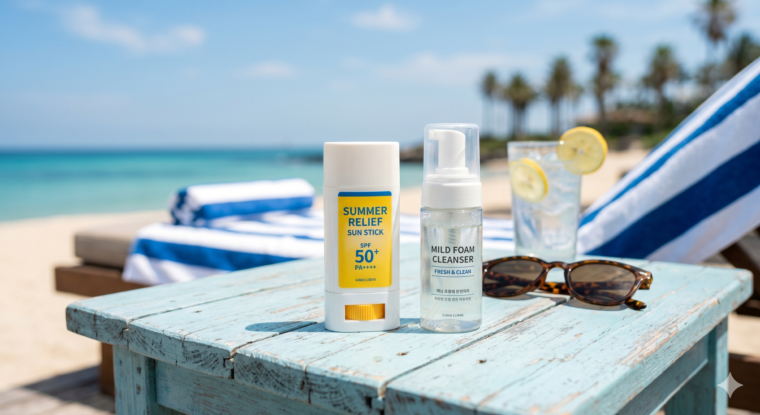
An early heatwave in South Korea is fundamentally altering summer beauty retail, shifting demand from generic seasonal products to targeted solutions for sebum control, sweat, and UV protection. For overseas buyers and distributors, this signals a structural shift toward hyper-functional, multi-category products that blend skincare, wellness, and grooming, creating new sourcing opportunities in sun sticks, oil-control cleansers, and cooling formats.
Market signal
South Korea's beauty retail landscape is undergoing a structural transformation driven by early and intense heatwaves. Unlike past seasons that relied on standardized summer demand for sun protection and whitening, the market now pivots to purpose-driven consumption. Consumers seek products that address specific skin concerns like excess sebum, pore congestion, and sweat-related odor, forcing manufacturers and retailers to optimize distribution channels with highly functional, segmented offerings. Data from CJ Olive Young shows that sunscreen became the second most popular online search term, while searches for sun powder—which absorbs sebum and extends makeup wear—surged 284% year-on-year. This reflects a broader trend of sun-layering, where consumers apply different formulations for pre- and post-outdoor activities and various body parts, boosting niche items like UV-blocking hand creams and hair mists.
Category evolution: Sebum care and cleansing
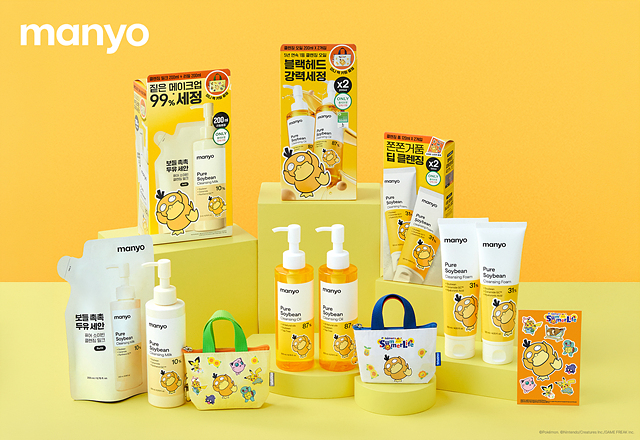
Rising temperatures have amplified demand for sebum and odor management. Olive Young's online data reveals a 98% increase in searches for body-odor-related keywords and over 80% growth for scalp-odor terms. Retailers are diversifying deodorant formats from sticks to roll-ons, sprays, and wipes, accelerating the convergence of beauty and wellness categories. Korean brand Witch Factory has expanded its cleansing lineup to target excess sebum, blackheads, and sunscreen residue. Its Pure Soybean Cleansing Oil, containing 87% plant-based oils, dissolves summer impurities without residue. The brand also launched Glutathione 7 Dark Spot Brightening Toner, a first-skin booster, which topped Qoo10's overall ranking in Japan, preemptively capturing brightening care demand.
What buyers should watch
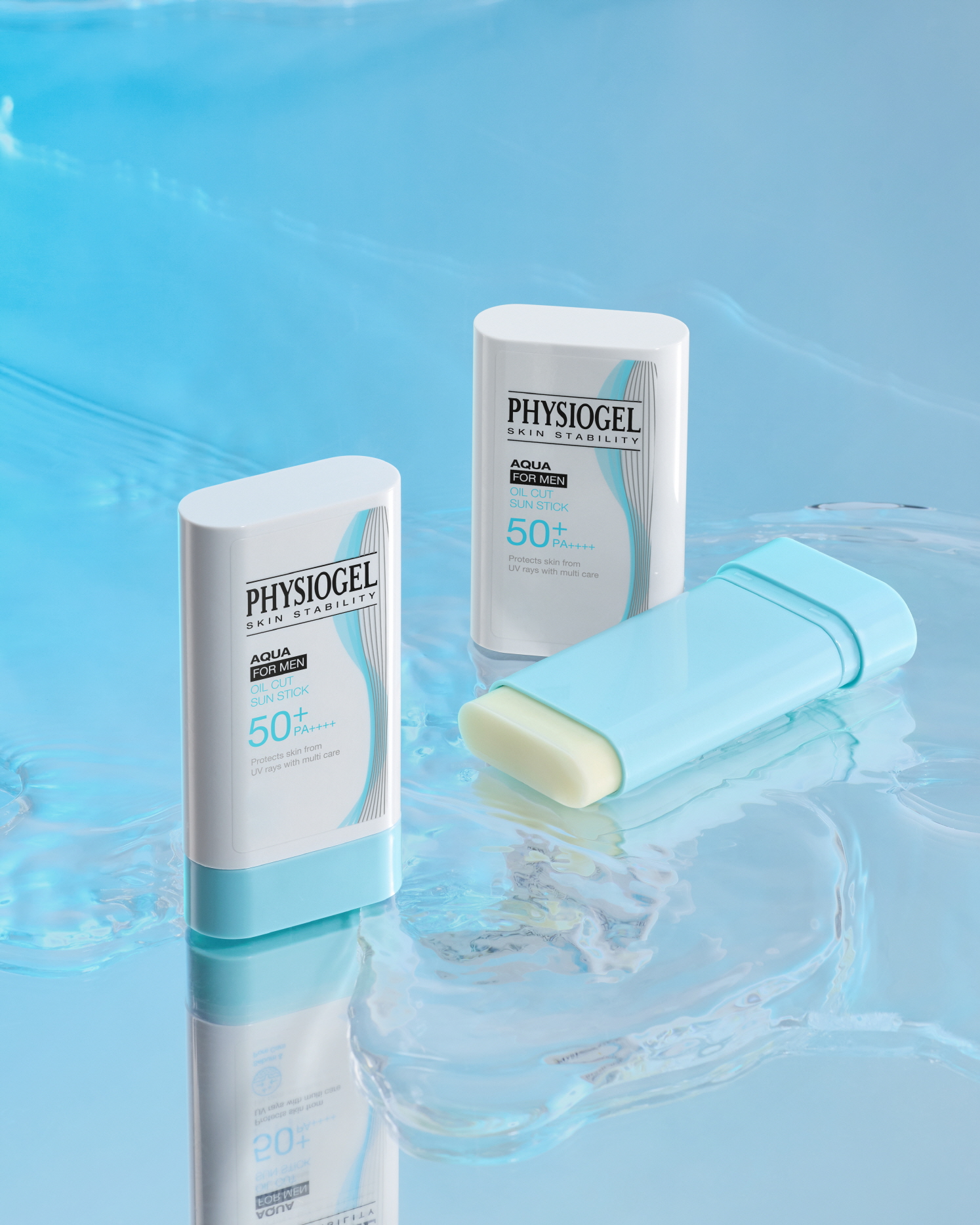
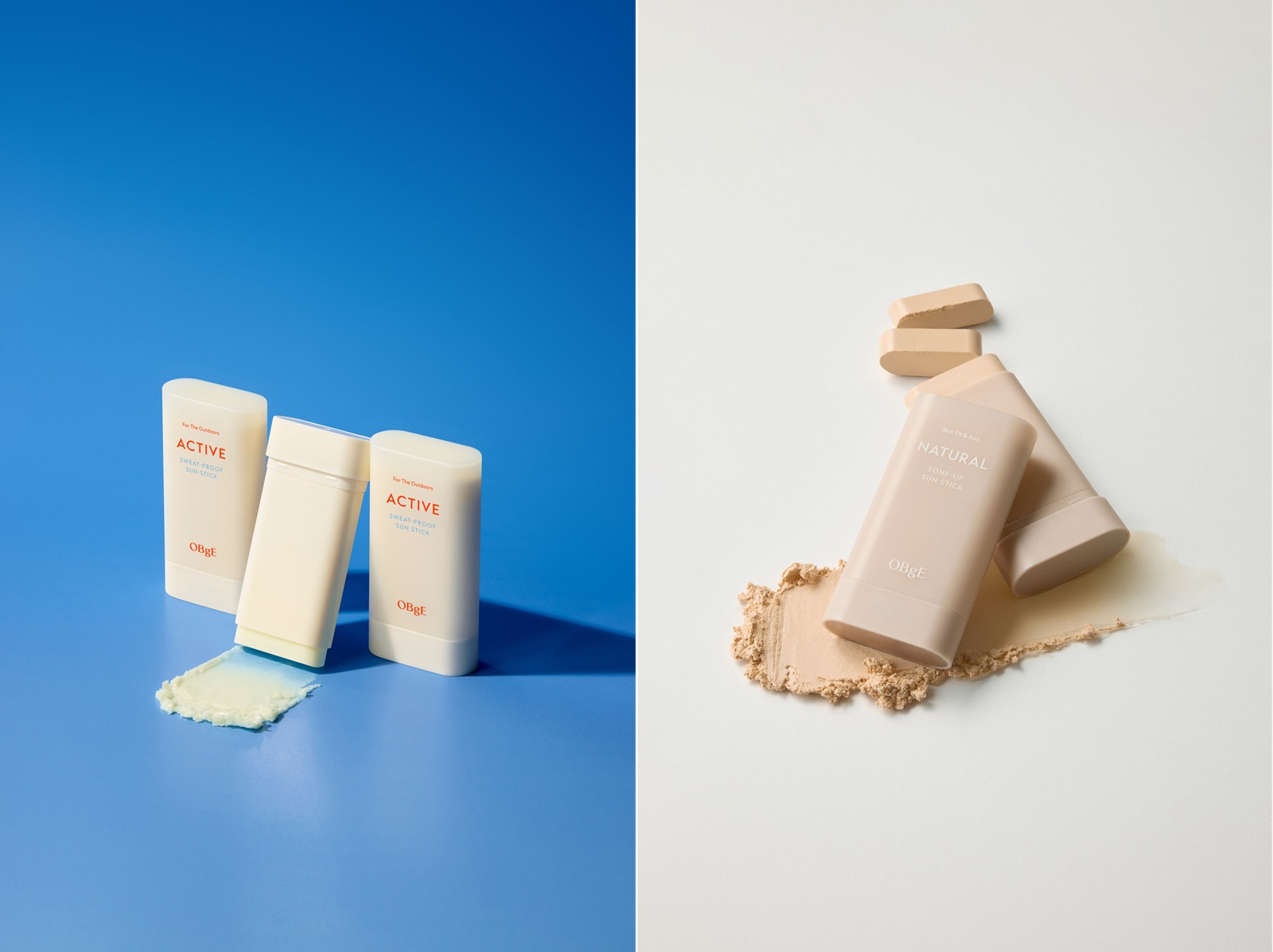
Male grooming is a key growth driver. Men, who naturally produce more sebum, are driving demand for oil-cut sun sticks. LG Household & Health Care's Physiogel launched Aqua For Man Oil Cut Sun Stick, using spherical powder for sebum absorption, initially tested online before expanding to offline mass channels. This stepwise channel mix strategy offers a model for distributors. Media-commerce brand Objet, under Adapt, sold over 1.2 million units of its Pore Zero Oil Sun Stick in one year. It now offers active sweat-proof and daily tone-up variants, and has evolved from D2C to omnichannel distribution via Olive Young and Musinsa. Such rapid scaling signals strong consumer pull for functional sun sticks.
Sourcing context
Retailers like Olive Young are curating categories around UV care, trouble care, oil/sweat care, and cooling care, featuring products like Goodal's moisturizing sunscreen, Biore's mist-type sun care, and Sso Natural's makeup fixer. Cross-category bundling—including cooling sanitary pads, roll-on sun serums, inner beauty jellies, and protein shakes—shows that summer demand now spans beyond traditional beauty. For overseas buyers, this trend underscores the importance of sourcing multi-functional, climate-adaptive products. Brands that combine UV protection with sebum control, cooling effects, or odor management are gaining shelf space. Distributors should prioritize suppliers with proven omnichannel capabilities and data-driven product development to meet evolving consumer expectations.
Source: Read the original report | Published: June 08, 2026