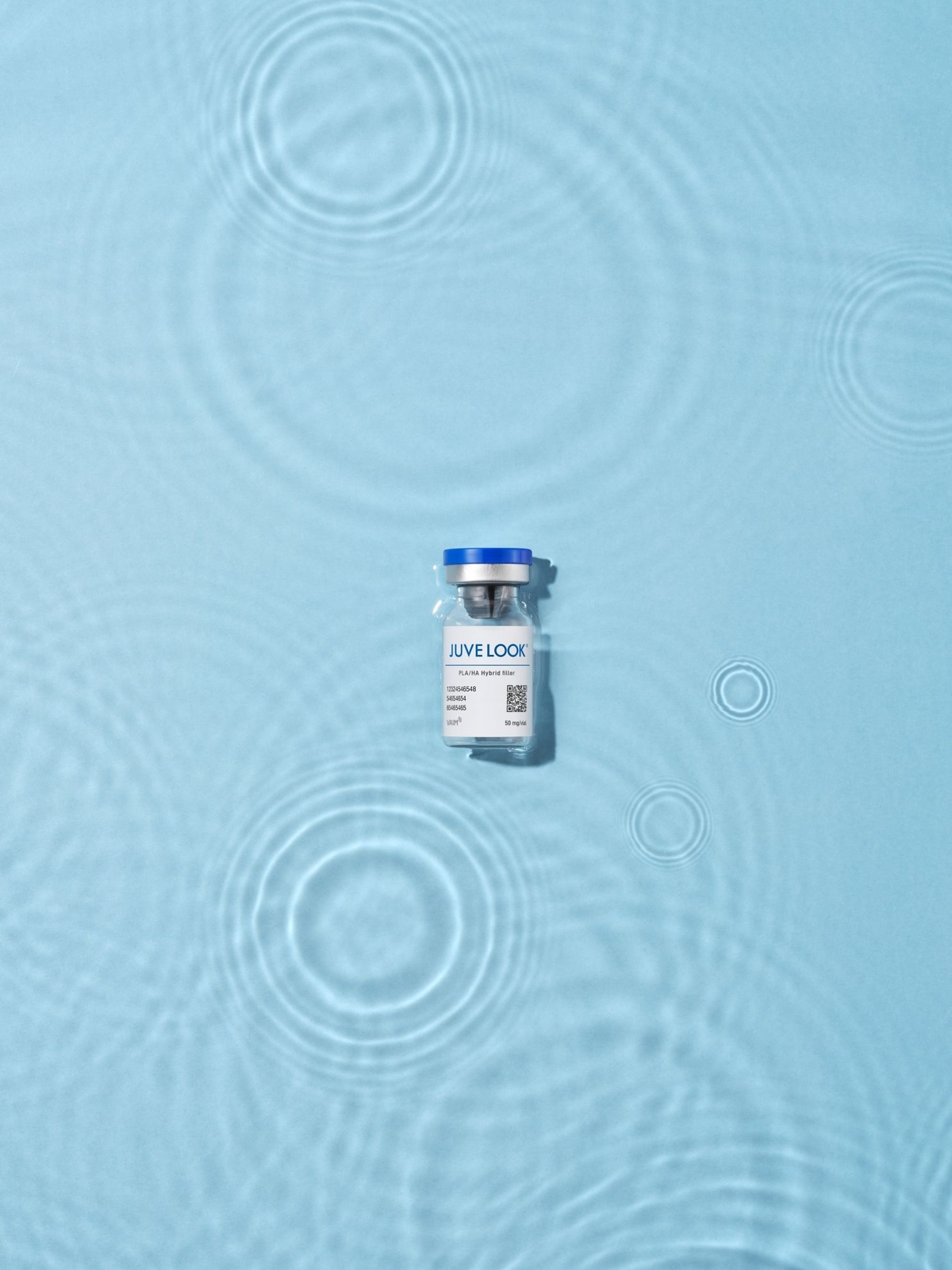
Goldman Sachs has been selected as the lead advisor for the sale of Ba-im, the South Korean manufacturer of the popular skin booster Juvélook. The deal, managed by majority shareholder Premier Partners, is expected to attract strong interest from global private equity firms, cosmetic giants, and conglomerates, reflecting the rising global demand for skin booster products in the medical aesthetics market.
Deal structure and timeline
Premier Partners, a private equity fund operator, confirmed Goldman Sachs as the sale advisor on April 16, after sending requests for proposals to over 10 domestic and international investment banks and major accounting firms in April. The competition among IBs was intense, as Ba-im is considered one of the largest M&A targets in the market this year.
Ba-im's financial performance
Since Premier Partners acquired a 76% stake in Ba-im for approximately KRW 70 billion in 2023, the company has shown explosive growth. Revenue surged from KRW 19.4 billion in 2023 to KRW 66.5 billion in 2024 and KRW 126.1 billion last year. Operating profit rose from KRW 10.4 billion to KRW 53 billion and then to KRW 80.4 billion over the same period. This growth is attributed to the market shift from botulinum toxin and fillers toward skin boosters that promote skin regeneration, with Juvélook leading the trend.
Potential buyers and market context
Potential acquirers include large domestic and international private equity funds, global cosmetics companies, and major Korean conglomerates seeking new growth engines. The global K-beauty wave has heightened expectations for Ba-im's valuation, which is expected to reach trillions of won. The sale process is anticipated to attract fierce competition among bidders.
What buyers should watch
For overseas importers, distributors, and clinic buyers, the sale of Ba-im signals a strategic opportunity to secure a leading skin booster brand with proven clinical and commercial success. The company's strong financial trajectory and the growing global preference for skin boosters over traditional injectables make it a key asset. Buyers should monitor the sale process for potential changes in distribution agreements, pricing, and product availability that could impact supply chains.
Source: Read the original report | Published: June 16, 2026