K-beauty brands are no longer competing on product quality alone. The new battleground spans discovery, trust, and purchase pathways — from retail shelves and e-commerce platforms to short-form video and AI shopping agents. For overseas importers, distributors, and clinic buyers, understanding these shifts is critical to capturing the next wave of K-beauty growth.
Platform evolution: From export to validation, curation, and logistics
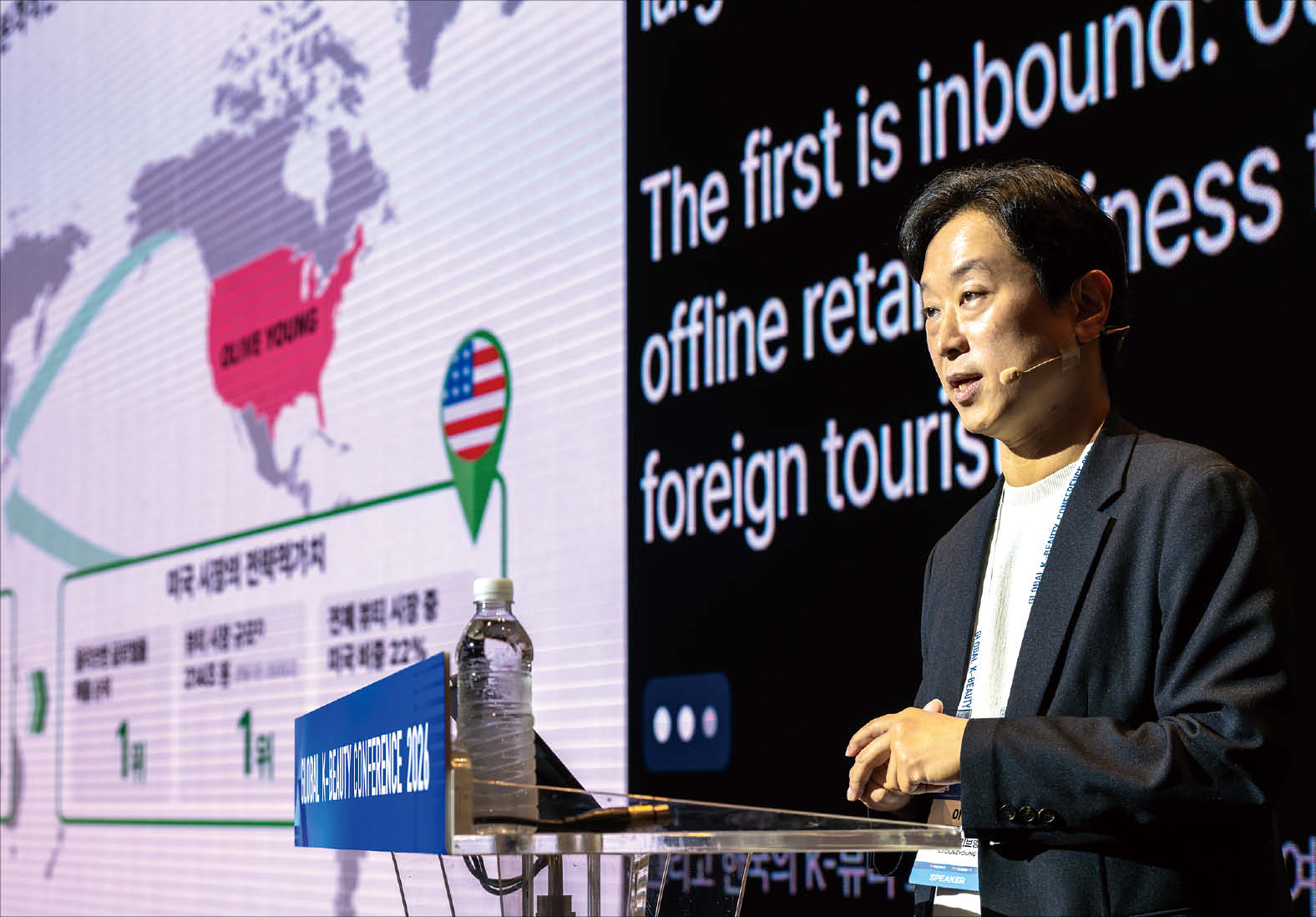
Olive Young, a leading K-beauty retailer, has outlined a four-pronged global strategy: domestic offline, cross-border online direct purchase, local online and offline entry, and B2B sales to overseas distributors. Its first direct entry market is the United States, chosen for its size and high K-beauty demand. Olive Young identified a gap: major US beauty retailers refresh shelf assortments roughly every 12 months, while K-beauty trends shift every four months. Its Pasadena flagship store stocks over 320 products, backed by a US-dedicated online mall and a Bloomington, California logistics center. YesAsia Holdings takes a different approach: validate consumer demand on its B2C platform YesStyle (monthly sales ~KRW 50 billion, ~18 million monthly users) before expanding through its B2B arm ABW, which serves over 18,000 clients. This model helped Dr.Melaxin achieve a sixfold sales increase after initial signals were detected on YesStyle, and it became TikTok Shop's top beauty brand in Q1 2026.
Content commerce: Short video becomes the new shelf
TikTok Korea director Son Ik-kyu described TikTok Shop's loop: content → interest → purchase → reproduction. US TikTok has over 200 million monthly active users, and TikTok Shop operates in 16 countries, hosting over 400 K-beauty brands. The growth formula is ACE: Assortment, Content, and Empowerment.

Marketing firm MadlyMedly co-founders Rembrandt Flores and Peter Philip Wingo noted that K-beauty has gone mainstream, so product innovation, "Made in Korea" image, and distribution alone are insufficient. They advocate data-driven local engagement over one-off mega-influencer campaigns, emphasizing that "Get Ready With Me" videos still generate stronger trust than AI-generated content.
Brand growth infrastructure: Beyond viral hits to worldview, data, and AI
CTK director Eom In-young observed that K-beauty is at the peak of its first wave: US-bound Korean cosmetics exports grew 56% in 2024 but only 16% in 2025. This signals a shift from curiosity-driven to trust-driven purchasing, echoing the post-THAAD collapse of China's road-shop market. Goodai Global, whose major brands (Joseon Beauty, TirTir, Skin1004, Round Lab) generated combined revenue of ~KRW 1.7 trillion in 2025 (88% overseas), exemplifies systematic success. TirTir expanded cushion shade ranges for diverse skin tones; Skin1004 sent over 3,000 quarterly samples to micro-influencers in English-speaking Southeast Asia as a testbed.
What buyers should watch
For overseas buyers, the key takeaway is that K-beauty success now depends on platform partnerships, content strategy, and data-driven localization. Brands that can demonstrate validated consumer demand, agile logistics, and AI-ready product data will be better positioned for global expansion. Distributors should evaluate whether potential brand partners have a clear pathway from discovery to purchase, and whether they can adapt to local market speeds — especially in the US, where shelf refresh cycles lag behind K-beauty trends.
Source: Read the original report | Published: June 19, 2026