K-beauty brands are rapidly shifting from a one-size-fits-all global approach to hyper-localized strategies tailored to each country's consumer culture and platform dynamics. For overseas distributors and clinic buyers, this means product design, marketing, and channel selection are increasingly customized by market, with implications for sourcing and inventory planning.
US Market: TikTok-Driven Functional Skincare
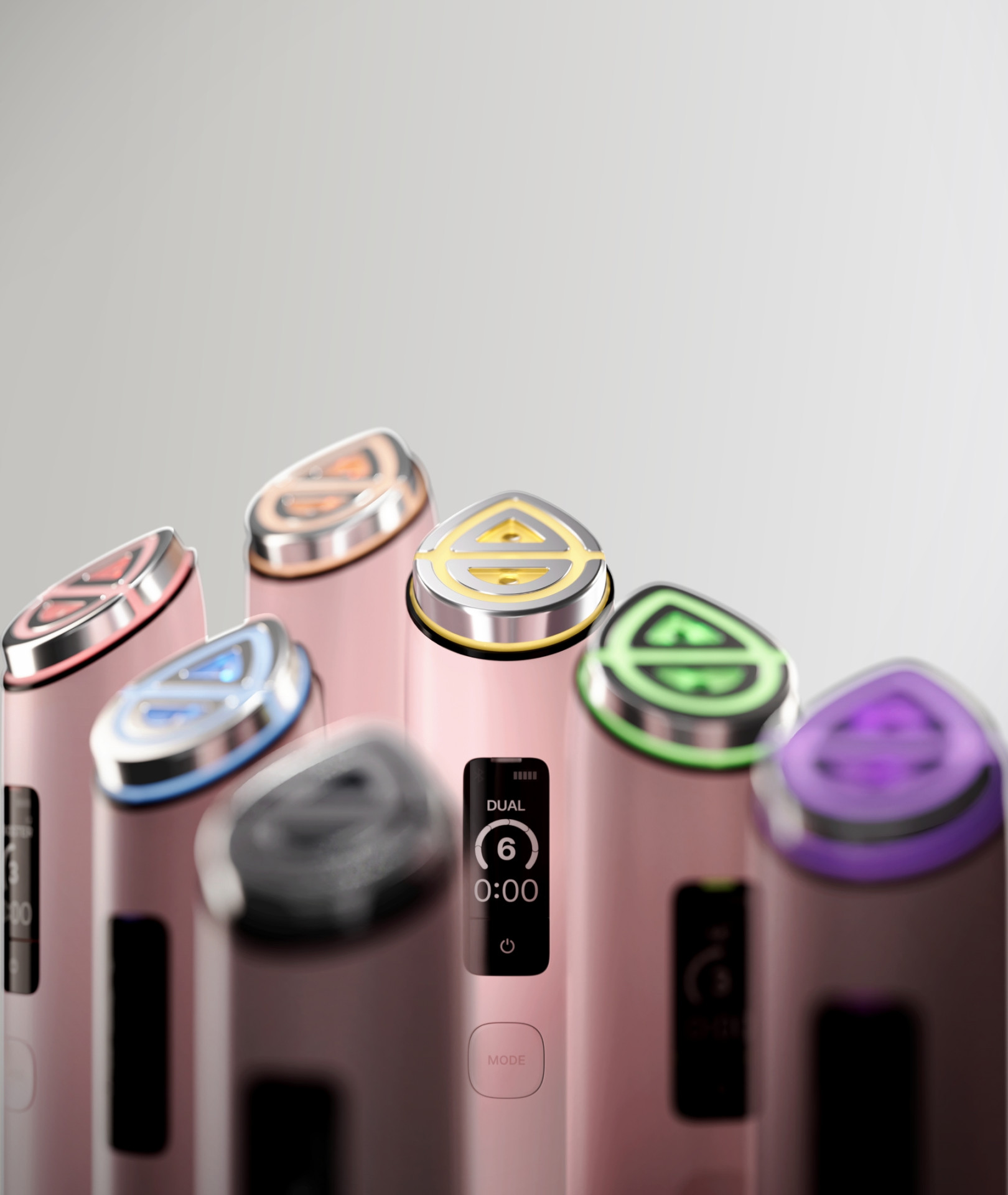
In the US, TikTok is the dominant platform for functional skincare content, particularly around procedure-inspired concepts like 'BOTOX skincare.' Products that deliver visually demonstrable before-and-after results in short videos spread fastest. Brands are now designing products specifically for this content-friendly format. APR's MEDICUBE AGE-R beauty device exemplifies this trend. Its design allows users to capture visible skin changes in short clips, fueling rapid TikTok virality. Similarly, COSRX's peptide eye patch surpassed 20 million views through US influencer content, driving a brand-wide repositioning. ANUA's #SoothingToner hashtag hit 100 million views on TikTok, leading to a 5x sales surge on Amazon. New Select's skincare brand EIOM launched a North America-exclusive 'Botide' lineup featuring botulinum-derived serums and eye patches, sold via TikTok Shop and Amazon. The lineup is designed not just for ingredient differentiation but for content consumption itself.

Japan Market: Review Culture and In-Person Experience
In Japan, purchase decisions are heavily influenced by authentic user reviews and trial-based content. Online cosmetics account for 25-30% of the market, and consumers often discover products through influencer content and buy immediately. Brands are responding by expanding offline touchpoints and tailoring products to local preferences. AMUSE launched Japan-exclusive neutral shades and pearl textures, sponsored Tokyo Fashion Week, and releases limited editions for the Japanese market. EIOM and CHARDE participated in the experiential beauty event 'COSME LAB' in Harajuku, setting up brand experience zones for local influencers and KOLs to test textures and share reviews. TIRTIR ran a global moving pop-up 'World Tour: The First Light' across nine cities including the US and Europe over three months in 2025, attracting about 20,000 visitors with locally themed truck designs and customer surveys.
What Buyers Should Watch

Distributors and clinic buyers should note that K-beauty brands are now designing products and packaging with platform-specific content in mind. For US imports, products with visible, video-friendly results and TikTok-optimized packaging are gaining traction. For Japan, products that facilitate in-store trial and generate authentic reviews are prioritized. Warren Jane-hee, head of New Select's global business division, stated: "Even for the same K-beauty product, the consumer discovery and purchase journey differs greatly by country and platform. In North America, content spread and virality are key, so we design the product itself to be content. In Japan, trust through experience and reviews is critical, so we strengthen offline trial opportunities and local influencer collaborations."
Sourcing Context
This hyper-localization trend means that buyers may see different SKUs, formulations, and packaging for different regions. For example, EIOM's Botide lineup is North America-exclusive, while AMUSE's Japan-only shades are separate. Inventory planning should account for these market-specific variations rather than assuming global uniformity.
Source: Read the original report | Published: June 07, 2026