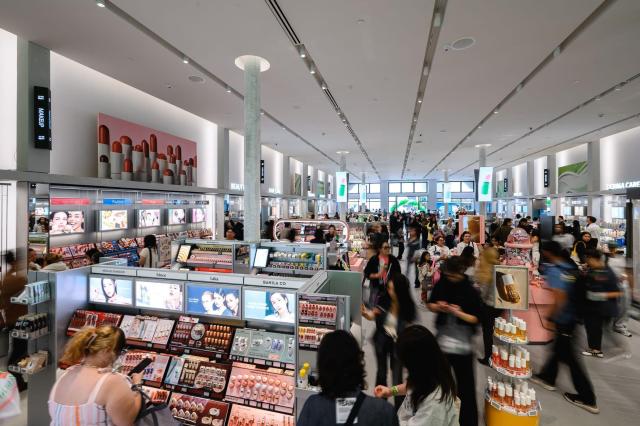
K-beauty has evolved from a fleeting trend into a major export powerhouse, with cosmetics surpassing agricultural and fishery products to become South Korea's top consumer goods export. In May 2026, monthly cosmetics exports reached a record $1.18 billion, and cumulative exports for January–May exceeded $5.6 billion, up over 20% year-on-year. For overseas buyers and distributors, this signals a maturing supply chain with diversified market access and rising global competitiveness.
Export market diversification
Historically reliant on China, K-beauty has successfully diversified its export markets. Exports to the United States surged over 40%, while European markets such as the UK, Netherlands, and Germany posted triple-digit growth. Mexico also saw a 116% increase. This shift reduces dependency on any single market and offers global buyers more stable and varied sourcing options.
Drivers of K-beauty success
The rise is underpinned by superior quality, competitive pricing, rapid product development, and the global spread of K-pop and K-drama. Small and medium-sized cosmetics firms have driven innovation, leveraging online platforms for global marketing. The industry has shifted from following international trends to setting them, making Korean products increasingly sought after by clinics and retailers worldwide.
Future evolution and technology integration
K-beauty is converging with AI, big data, biotechnology, and digital healthcare. AI-powered skin analysis, personalized cosmetics, and smart beauty devices are already commercialized. This evolution positions the sector as a high-value industry linking manufacturing, services, and tourism. For buyers, this means access to cutting-edge, tech-enabled products that can differentiate their offerings.
What buyers should watch
Overseas importers and distributors should monitor South Korea's government support for R&D, overseas certification assistance, export financing, and beauty-tech startup incubation. These initiatives aim to reduce regulatory uncertainty and build smart manufacturing infrastructure, ensuring consistent quality and supply. As competition intensifies from Chinese and global players, staying connected with Korean suppliers who invest in innovation will be key to maintaining a competitive edge.
Source: Read the original report | Published: June 08, 2026