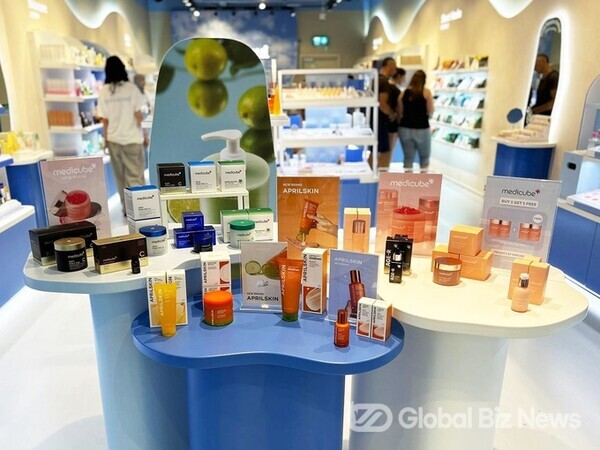
K-beauty exports are breaking records in 2026, with cumulative exports reaching $4.56 billion in the first four months, up 24.9% year-on-year. The shift away from China—once accounting for over 50% of exports—is now complete, as the US, Europe, the Middle East, and Latin America drive unprecedented growth. For overseas buyers and distributors, this signals a diversified, resilient supply chain with rising opportunities in new markets.
Market Signal: Record Exports and Diversification
In the first quarter of 2026, K-beauty exports hit $3.13 billion, a 21.5% increase. Small and medium-sized enterprises (SMEs) contributed $2.18 billion, growing 21.3%—more than double the overall SME export growth rate. Cosmetics have officially been designated as one of South Korea's top 20 export items, elevating the industry to a national strategic priority. Analysts now forecast 2026 export growth to exceed 20%, surpassing earlier expectations of 15%.
US Market: From Online to Offline Dominance
Exports to the US reached $620 million in Q1 2026, nearly doubling from $346 million in Q2 2022. K-beauty is moving beyond online sales into major offline retailers like ULTA and Sephora. Indie brands are leading this shift: Medicube ranked third in skincare at ULTA within three months of launch, while Anua secured seventh place in Q3 2025. A local LA retailer noted, "Foreign customers often come in asking for Korean skincare products they saw on Instagram, and repeat purchases are high."
Europe: The New Growth Engine Surpassing the US
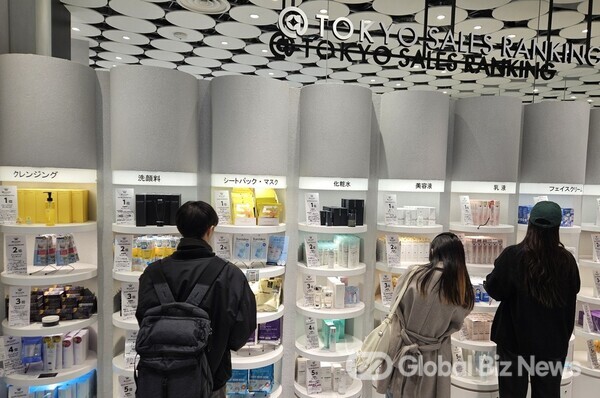
In Q1 2026, European exports surged 53% year-on-year, outpacing the US in volume. Key markets include the UK (up 114%), Poland (132%), and the Netherlands (161%). K-beauty now holds a 3.3% market share in the UK and 4.1% in France, with rapid growth driven by vegan and clean beauty trends. APR, the parent brand of Medicube, entered the UK via Amazon and TikTok Shop in November 2025, signaling deeper localization.
Middle East and Latin America: Emerging Frontiers
Exports to the UAE jumped 85% in 2025, with Silicon2 establishing a Dubai subsidiary in May 2025 to expand into Saudi Arabia, Kuwait, and Qatar. In Latin America, exports to Mexico, Brazil, and Argentina hit a record $91.85 million in 2025 (through October), up from $34.77 million in 2023. Silicon2 also set up a Mexican subsidiary in October 2025 and plans a South American entity in 2026. The region benefits from Spanish-language social media spillover from the US.
Sourcing Context: Indie Brands, ODM Ecosystem, and Channel Shift
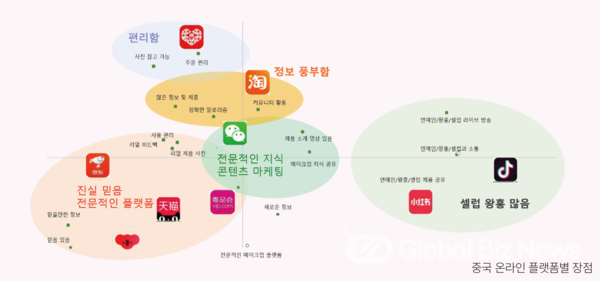
K-beauty's global expansion is now driven by indie brands, which account for over 70% of SME exports, according to the Korea Cosmetic Association. The ODM ecosystem—led by Cosmax, Cosmecca Korea, and Kolmar Korea—supports rapid product development, with 2026 revenue expected to grow 10-15%. A key trend is the shift from online to offline, as 80% of US and European beauty sales occur in physical stores. Buyers should watch for indie brands scaling into offline retail and ODM partners offering flexible, high-quality production.
Regulatory and Channel Signals
The South Korean government has launched policy packages, including a K-beauty fund and dedicated SME retail spaces abroad. However, challenges remain: rising shipping costs due to Middle East tensions, higher platform fees, and stricter EU and US ingredient and packaging regulations. The industry also faces a structural gap in producing global mega-brands like L'Oréal or Estée Lauder, requiring a qualitative leap to sustain long-term growth.
Source: Read the original report | Published: June 14, 2026