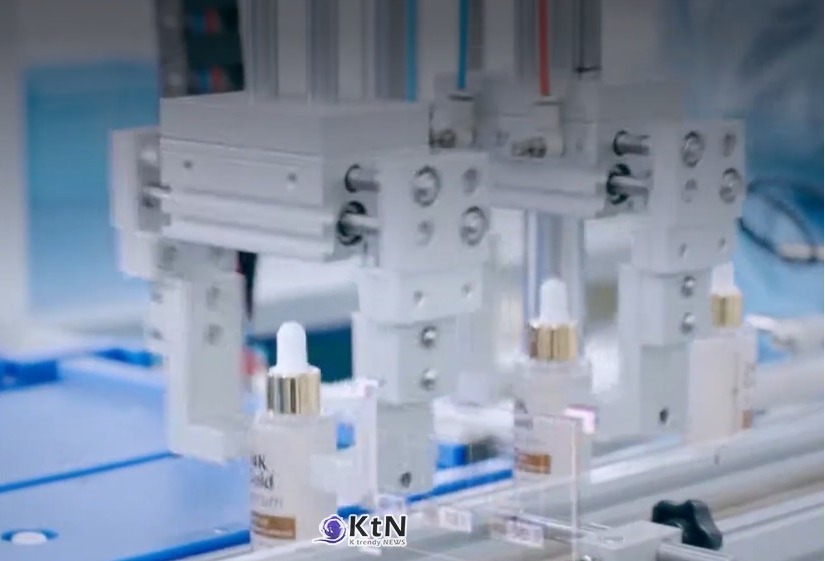
K-Beauty indie brands have surged globally, driven by a specialized OEM/ODM manufacturing ecosystem that turns ideas into products rapidly. However, as the market floods with similar concepts, overseas buyers must look beyond speed—demanding safety data, regulatory compliance, and long-term brand credibility. This shift reshapes sourcing strategies for importers and distributors.
Market signal
From 2023 to the first half of 2025, cosmetics remained South Korea's top export item for SMEs. The government attributes this to a division of labor among planning, production, and distribution specialists, combined with manufacturing prowess and Hallyu-linked marketing. This structure allows even idea-stage products to be commercialized quickly, fueling indie brand proliferation.
Industry structure shift
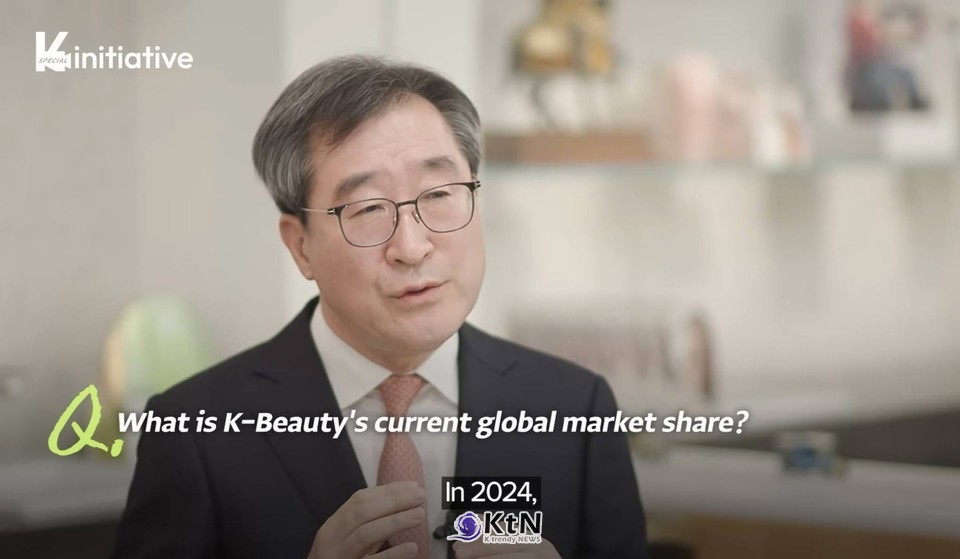
Unlike the past when only companies with in-house labs, factories, and retail networks could enter the market, today's ecosystem relies on raw material suppliers, packaging firms, and OEM/ODM manufacturers for formulation and production. This lowers entry barriers but also shortens product lifecycles, creating a churn where 8,000 small brands enter export markets annually, 2,500 exit, and 3,000 new ones appear.
Quality and differentiation challenges
As similar ingredients, formulations, and packaging flood the market, consumers struggle to distinguish brands. Kim Joo-deok, a professor at Seoul Cyber University, notes that agility alone cannot sustain growth. Brands must now invest in proprietary technology, safety documentation, and authentic storytelling to stand out. The same manufacturing base that enables speed also risks homogenization.
What buyers should watch
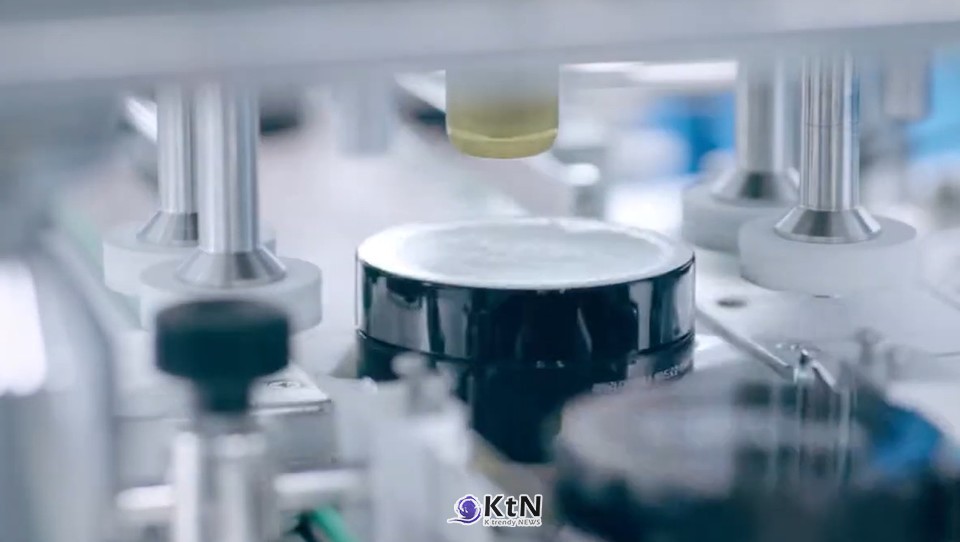
Overseas buyers should prioritize suppliers with robust safety data, clinical evidence, and regulatory compliance for markets like the US (MoCRA) and EU. Brands lacking internal expertise in ingredient verification, claims substantiation, and adverse event management may face rejection from local distribution channels. Price stability and genuine product tracking are also critical for long-term trust.
Sourcing context
South Korea's OEM/ODM sector remains a key asset, offering formulation expertise, quality control, and small-batch production. However, buyers should verify that indie brands have independent technical grounds and documentation, not just reliance on manufacturer proposals. Government initiatives aim to nurture 300 creator brands and 500 strong small businesses by 2030, but export success ultimately depends on each brand's internal management systems.
Source: Read the original report | Published: June 07, 2026