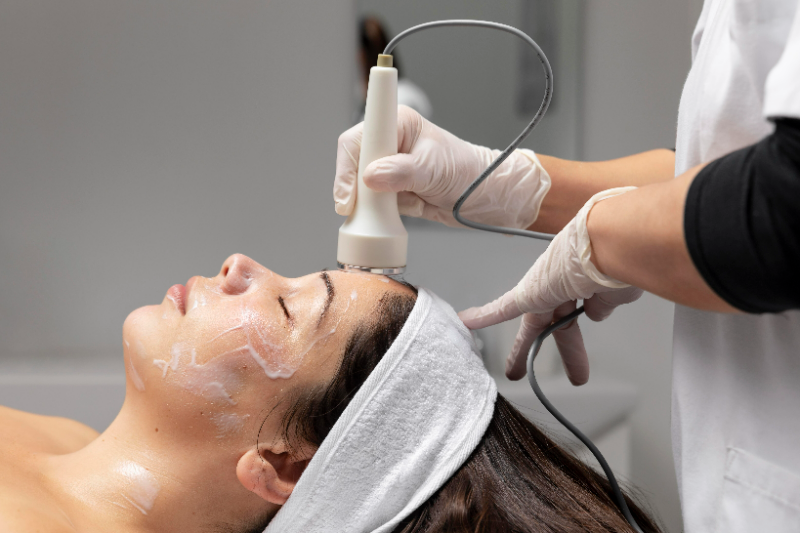
Foreign medical tourists in South Korea are increasingly spending on dermatology procedures, with May 2026 spending reaching KRW 251.2 billion (USD 194 million), a 74.6% year-on-year increase. Dermatology alone accounted for KRW 145.2 billion, up 85.5%. This shift signals growing demand for aesthetic devices, injectables, and post-care products, creating opportunities for overseas buyers in the K-beauty supply chain.
Market signal
South Korea's medical tourism sector is booming, with foreign patient numbers reaching 1.98 million in 2025, up 73.8% year-on-year. This marks four consecutive years of over 70% growth. If the trend continues, 2026 could see over 3 million foreign patients, driving demand for dermatology services and related medical aesthetics products.
Spending per procedure rises
Average spending per dermatology visit by foreign patients in May 2026 was KRW 1,446,515 (USD 1,120), up 37.2% year-on-year. This indicates a shift toward premium and combination treatments, not just low-cost procedures. Repeat visits and complex treatments are fueling growth.
Export data supports industry strength
In May 2026, South Korea's aesthetic device exports reached USD 95.31 million, up 13.9% year-on-year. Filler exports surged 40.1% to USD 336.32 million, and botulinum toxin exports rose 45.0% to USD 48.7 million. Contact lens exports grew 9.4% to USD 16.35 million, while wound dressing patch exports skyrocketed 120.3% to USD 11.34 million.
What buyers should watch
Overseas importers and distributors should monitor South Korea's dermatology-focused medical tourism growth, as it drives demand for devices, injectables, and post-care products. The virtuous cycle of in-clinic experience leading to overseas product repurchase creates stable export opportunities. Key companies like Classys, Hugel, and PharmaResearch show lower valuations (PER 8.0-15.2x) compared to historical averages, potentially signaling entry points for partnerships or sourcing.
Regulatory and channel signals
South Korea's government has supported foreign patient attraction since the 2009 Medical Act revision, with cumulative foreign patients exceeding 7.06 million by 2025. Diversifying source countries (China, Japan, Taiwan, US, Thailand) reduce reliance on single markets. However, buyers should consider broker fees, regulatory changes, and currency fluctuations that may impact profitability.
Source: Read the original report | Published: June 15, 2026