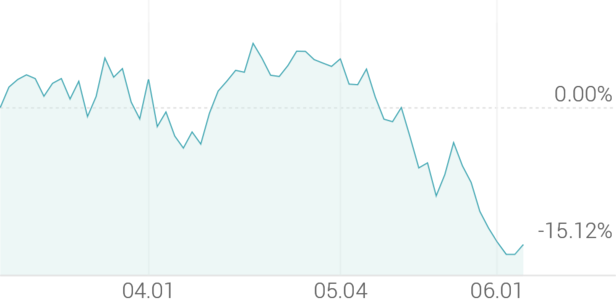
South Korean botulinum toxin (Botox) theme stocks rallied 2.34% on the day, led by Jeisys Medical (+6.17%), Hugel (+5.76%), and Huons Global (+3.51%). The move reflects sustained investor interest in the global aesthetic toxin market, which is projected to grow at a 9.8% CAGR through 2030, driven by expanding indications and rising demand in the Middle East, China, and Southeast Asia. For overseas buyers, this signals continued R&D investment and potential supply-chain shifts among Korean manufacturers.
Market signal
South Korean botulinum toxin stocks posted broad gains, with Jeisys Medical surging 6.17%, Hugel rising 5.76%, and Huons Global adding 3.51%. The theme index climbed 2.34% from the previous close. The rally underscores the market's focus on Korean toxin makers as they pursue global expansion and new product approvals.
Global market outlook
The global botulinum toxin market is expected to grow at a compound annual growth rate of 9.8% from 2024 to 2030, according to Grand View Research. Growth drivers include increasing applications in aesthetic and therapeutic procedures, rising product approvals and launches, and growing demand for minimally invasive treatments. Korean manufacturers are actively targeting high-margin developed markets while building partnerships in fast-growing regions such as China, Southeast Asia, the Middle East, and Latin America.
Middle East demand surge
The Middle East is experiencing a rapid increase in aesthetic medical demand, driven by cultural openness, high economic growth, rising social media use, and shifting consumer trends. Saudi Arabia's aesthetic and cosmetic surgery market alone is projected to grow from $7.899 billion in 2023 to $18.778 billion by 2032. Korean toxin makers are conducting country-specific clinical trials and establishing partnerships to enter these markets.
Indication expansion and R&D
Botulinum toxin formulations are estimated to be expandable to over 100 indications, ranging from neuropathic pain to depression. Korean companies are actively researching next-generation formulations and broader therapeutic applications. According to Daishin Securities, the ability to secure additional indications will be a key growth driver for these firms going forward.
Regulatory and channel signals
Ongoing legal disputes among Korean toxin manufacturers continue to shape the competitive landscape. Medytox filed a trade secret infringement lawsuit against Daewoong Pharmaceutical, winning the first trial, but Daewoong has appealed. Separately, in January 2025, the legal battle between Hugel and Medytox moved from the U.S. International Trade Commission (ITC) to the Federal Circuit Court of Appeals (CAFC), after Medytox appealed the ITC ruling in Hugel's favor. These disputes are expected to prolong uncertainty around market access and licensing.
Sourcing context
While the market is theoretically open to new entrants, securing raw materials and bacterial strains for toxin production remains extremely difficult, creating long-term oligopolistic conditions for existing manufacturers. Overseas buyers should monitor Korean regulatory approvals, particularly the Ministry of Food and Drug Safety's national lot release process, as well as ongoing litigation that could affect supply agreements and product availability in key export markets.
Source: Read the original report | Published: June 04, 2026