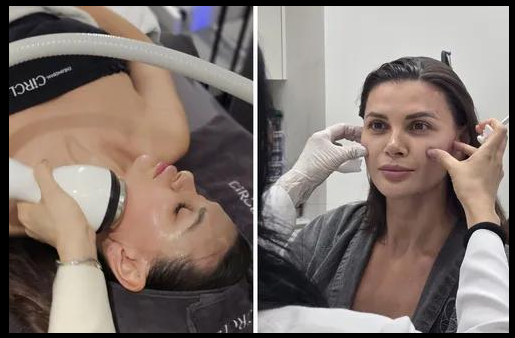
South Korea's medical tourism industry has surpassed 2 million foreign patients for the first time, driven by K-beauty and advanced medical technology. This signals growing demand for aesthetic devices, injectables, and skincare services, presenting opportunities for overseas buyers and distributors in the medical aesthetics supply chain.
Market signal
Last year, 2,011,822 foreign patients visited South Korean medical institutions, a 71.9% increase year-on-year and four times the pre-COVID level in 2019. Their total spending reached approximately 12.5 trillion won, with an economic ripple effect of 22.8 trillion won. Average spending per medical tourist was about 7.75 million won, eight times that of general tourists, highlighting the high-value nature of this sector.
Aesthetic dominance
Dermatology accounted for 62.9% of all medical tourists, followed by plastic surgery at 11.2%. Dermatology visits grew 86.2% year-on-year, and plastic surgery visits rose 64.3%. Experts attribute this to the global spread of K-beauty brands, competitive treatment quality, and reasonable pricing. South Korea has been ranked the world's leading cosmetics country for two consecutive years by the Korea Health Industry Development Institute.
Shift to wellness and senior care
Industry experts emphasize a transition from treatment-focused medical tourism to stay-based healthcare, combining recovery with wellness programs, local tourism, and shopping. The government is developing high-value models linking post-treatment recovery, healing, and tourism. Senior medical tourism is also emerging as a growth axis, driven by demand for health checkups, rehabilitation, anti-aging, and digital healthcare in aging societies.
What buyers should watch
For overseas importers and distributors, South Korea's medical tourism boom signals sustained demand for aesthetic devices, injectables, and skincare products used in dermatology and plastic surgery. The shift toward wellness and senior care also opens opportunities for anti-aging treatments, digital health solutions, and long-stay healthcare products. Buyers should monitor regulatory updates and partnerships with Korean clinics and hospitals to tap into this growing market.
Regulatory and channel signals
Experts call for distributing medical tourism demand beyond Seoul to regional institutions and creating long-stay medical-wellness clusters. This could decentralize procurement and create new channels for aesthetic products. The government's strategic focus on medical tourism as a national industry may lead to favorable policies for foreign buyers and distributors.
Source: Read the original report | Published: June 07, 2026