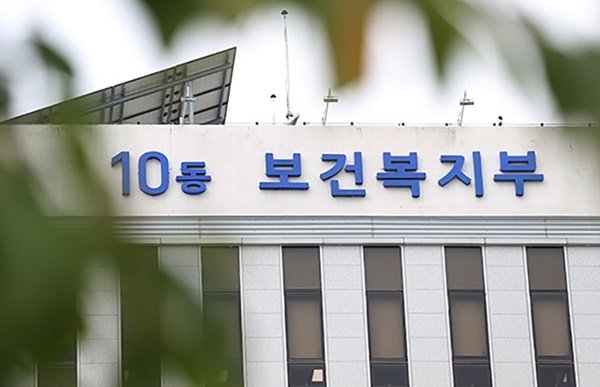
South Korea's Ministry of Health and Welfare (MOHW) has significantly tightened stock trading restrictions for its civil servants, particularly those overseeing the pharmaceutical, medical device, and cosmetic industries. The move aims to prevent conflicts of interest and ensure fairness in policy-making, approvals, and insurance reimbursement decisions that directly impact corporate profits. For overseas buyers and distributors, this signals a more transparent regulatory environment in South Korea's medical aesthetics supply chain.
Regulatory tightening
Effective from April 1, the MOHW issued a revised directive on stock trading restrictions for its employees. The update follows a recent organizational restructuring that split the former Health Industry Promotion Division into two specialized units: the Pharmaceutical and Bio Industry Division, and the Medical Device and Cosmetic Industry Division. The new rules explicitly prohibit officials in these divisions from newly acquiring stocks in companies related to their respective sectors.
Division-specific restrictions
Officials in the Pharmaceutical and Bio Industry Division are now barred from purchasing stocks in pharmaceutical and basic medicinal substance companies. Similarly, those in the Medical Device and Cosmetic Industry Division cannot acquire shares in medical device, medical supply, cosmetic, or beauty industry firms. Previously, restrictions were broader and less specific, but the reorganization allows for more targeted oversight.
Expanded scope and clarity
The directive also updates the list of restricted departments. In addition to the new divisions, other units such as the Health and Medical Technology Development Division, Medical Information Policy Division, and Regenerative Medicine Policy Division are included. Notably, the Health and Medical Data Promotion Division now explicitly covers stocks in the rapidly growing health data and medical AI sectors, ensuring fairness in emerging industries.
What buyers should watch
For international importers and distributors of medical aesthetics products, this regulatory change reinforces South Korea's commitment to ethical governance. It reduces the risk of biased policy-making or preferential treatment in approvals and reimbursement decisions. This could lead to a more predictable and fair market environment for foreign companies seeking to enter or expand in South Korea's medical aesthetics sector, including devices, injectables, and skincare products.
Sourcing context
The revised rules apply to stock acquisitions made after an official begins working in a restricted department, eliminating previous ambiguities about timing. The MOHW stated that the update is part of broader efforts under the Public Official Ethics Act to prevent conflicts of interest. For overseas buyers, this development underscores the importance of monitoring regulatory changes in South Korea, as they can influence market access and competitive dynamics in the medical aesthetics supply chain.
Source: Read the original report | Published: June 02, 2026