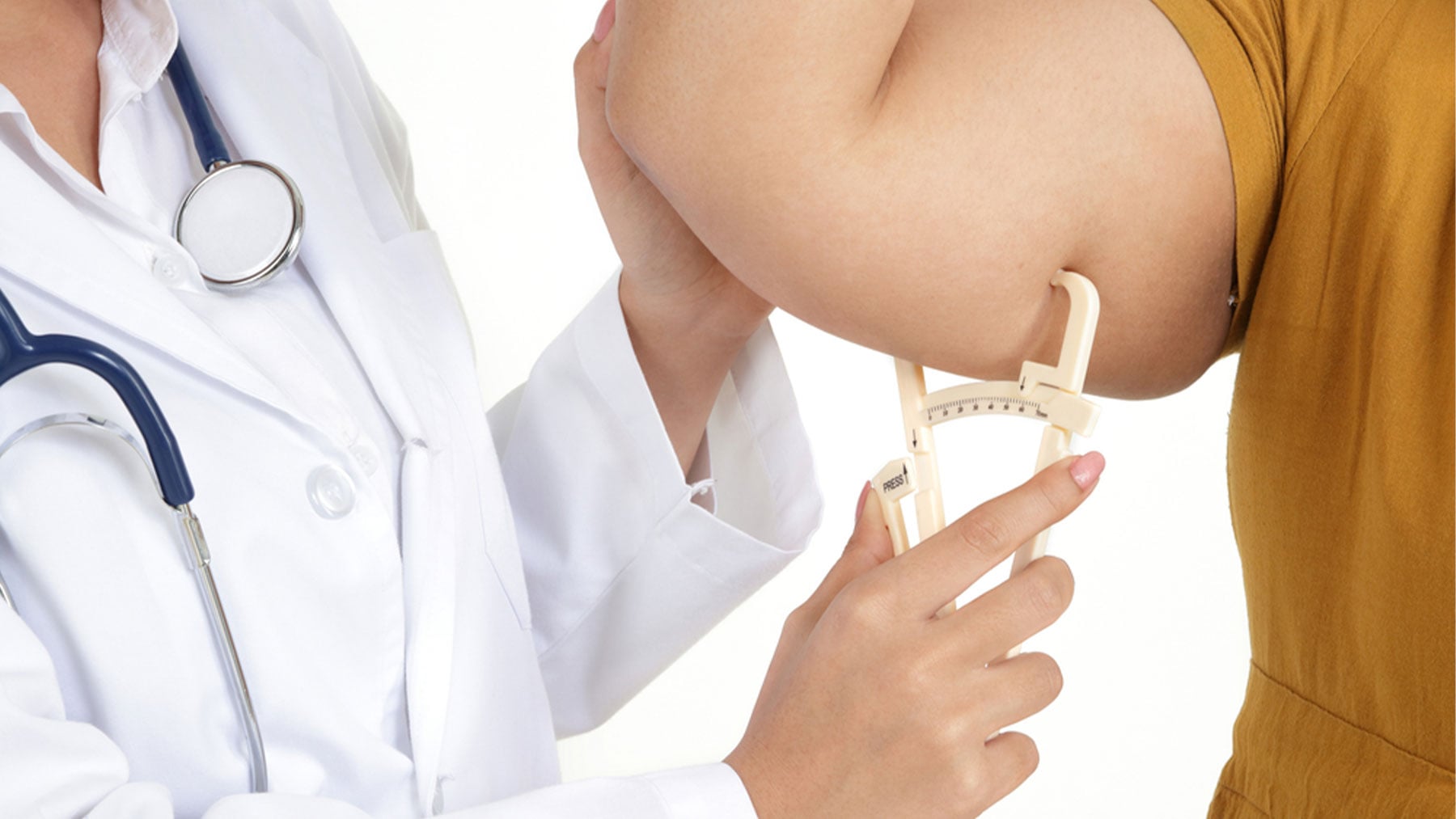
A survey by the Spanish Association of Aesthetic Plastic Surgery (AECEP) reveals that nearly 90% of its 150 specialist members have observed a rise in cosmetic procedures following the surge in weight-loss drugs like Ozempic. This trend signals a growing demand for body contouring and facial rejuvenation among patients who experience rapid weight loss, presenting new opportunities for aesthetic device and consumable suppliers.
Market signal
Rapid weight loss from GLP-1 drugs is reshaping patient profiles, with 90% of AECEP specialists reporting increased consultations for aesthetic interventions. The phenomenon has intensified over the past year, with 50% of surgeons noting a clear uptick. This shift is particularly pronounced among middle-aged women, who account for 83% of these new patients, primarily aged 45–60.
Clinical consequences driving demand
According to the survey, the most common physical changes after rapid weight loss include abdominal laxity (93%), thigh laxity, excess arm skin, and gluteal volume loss. Facial effects are also significant: 70% of specialists report skin laxity, 65% note facial volume loss, and deeper nasolabial folds and under-eye hollows are frequently observed. These changes often require surgical correction.
Most requested procedures

Abdominoplasty is the most demanded surgery, cited by nearly 90% of specialists, followed by arm lift (46%), thigh lift (35%), and full body lift (28%). On the face, facelift leads (60%), followed by hyaluronic acid fillers (44%), blepharoplasty (43%), and collagen biostimulators (30%). This data underscores a clear shift toward body-contouring and facial-rejuvenation procedures.
What buyers should watch
Importers and distributors should monitor the growing demand for devices and consumables supporting post-weight-loss body contouring—such as liposuction, skin tightening, and fat transfer systems—as well as facial injectables like hyaluronic acid fillers and collagen biostimulators. The trend is expected to sustain as GLP-1 drug use expands globally.
Regulatory and channel signals
AECEP emphasizes that these drugs must be used under medical supervision alongside lifestyle changes. This highlights the importance of compliance with local regulations for aesthetic treatments linked to weight-loss therapies. Clinics and suppliers should prepare for increased patient education and integrated care protocols.
Source: Read the original report | Published: June 03, 2026