As summer approaches, demand for non-invasive skin tightening treatments like Phoenix RF (Thermage) surges among consumers seeking a photogenic look for travel, weddings, and social events. However, price disparities ranging from tens of thousands to over a hundred thousand New Taiwan Dollars raise concerns about counterfeit devices and probes. This report highlights key supply-chain risks for overseas buyers: the importance of sourcing from authorized clinics, verifying device authenticity, and understanding regional treatment protocols.
Market signal
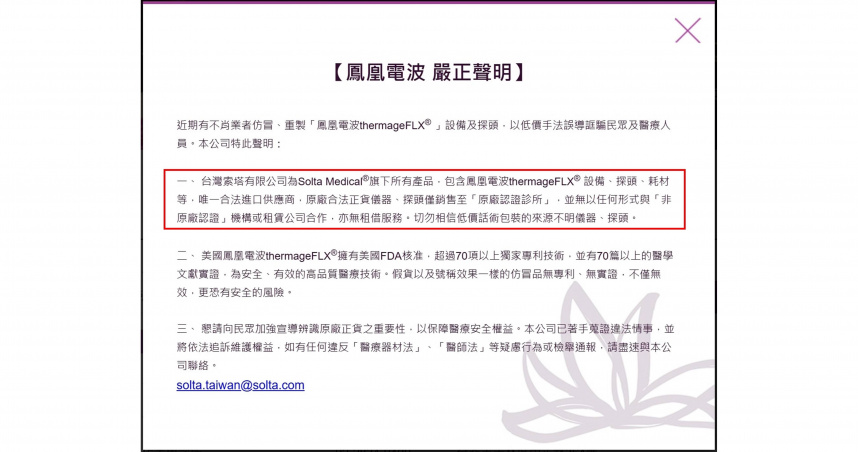
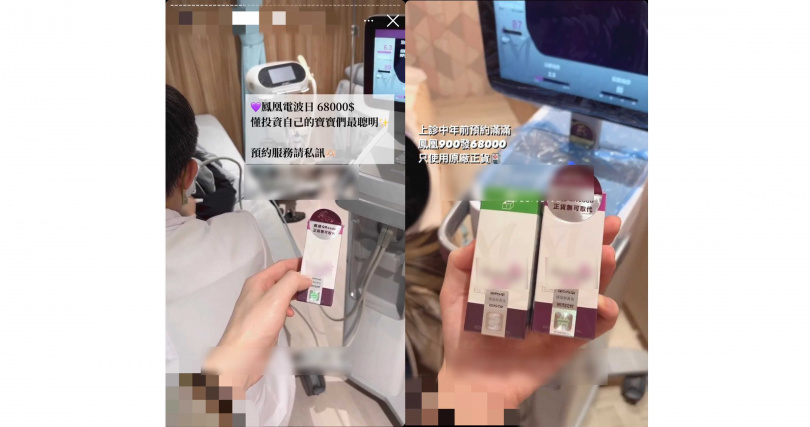
Phoenix RF, a leading non-invasive radiofrequency device for skin tightening, sees rising demand during summer. However, market prices vary widely, from NT$30,000 to over NT$100,000, prompting consumer confusion. The manufacturer warns that only authorized clinics receive genuine devices and probes, and unauthorized sellers often use low prices to lure buyers.
Counterfeit probe risks
Dr. Zhang Yunping of Nuoen Aesthetics warns that counterfeit probes lack the AccuREP® intelligent energy optimization technology, which adjusts energy output based on skin resistance and capacitance. Fake probes may cause uneven energy delivery, increasing risks of burns and poor results. Genuine probes have built-in cryogen cooling to prevent overheating.
Korea vs. Taiwan treatment differences
Dr. Zhang notes that Korean clinics often use lower energy settings (one-third to one-fourth of typical Taiwanese levels) for maintenance-style treatments, requiring frequent visits. In contrast, Taiwanese clinics focus on higher-energy, treatment-oriented sessions. When factoring in travel and accommodation costs, Korean treatments may not be cheaper. Post-treatment follow-up is also more challenging overseas.
Technology and efficacy
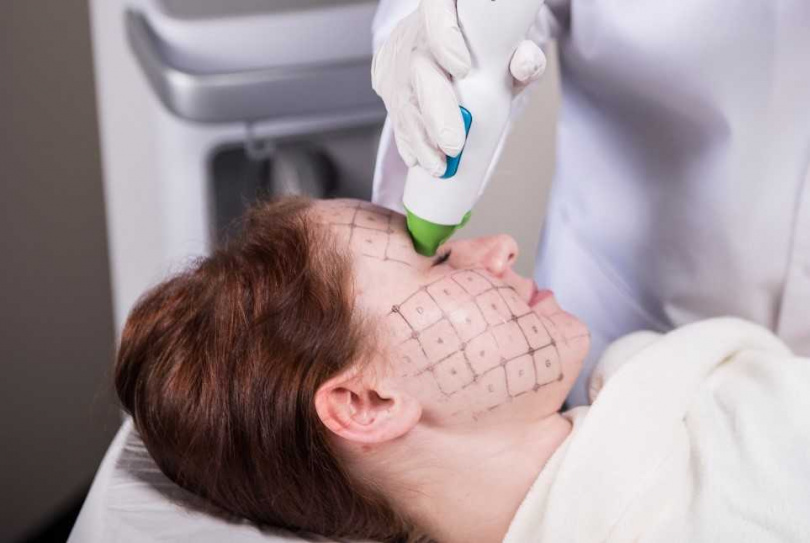
Phoenix RF uses 3D volumetric heating to uniformly heat the dermis, subcutaneous tissue, and SMAS layer to 55–65°C, stimulating collagen contraction and neocollagenesis. Results typically appear within 1–3 months and last up to one year. The device is backed by over 80 peer-reviewed studies and 70+ patents.
What buyers should watch
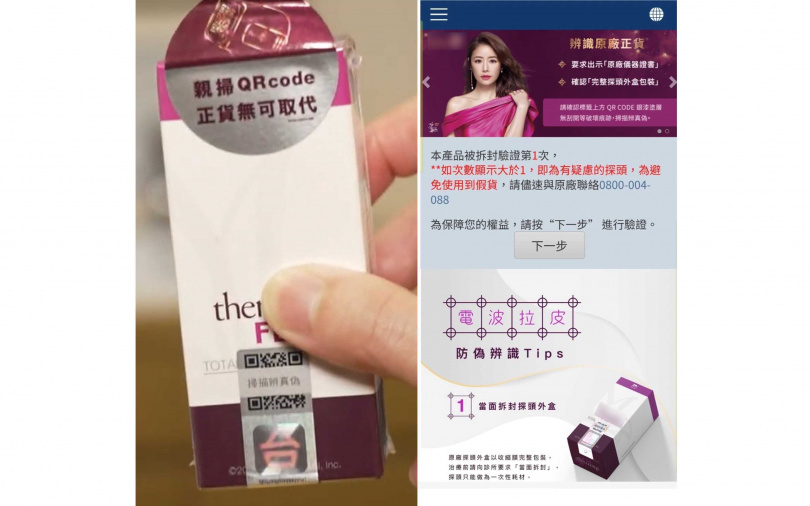
Distributors and clinics should verify device authenticity through three steps: 1) Check the official Phoenix RF website for authorized clinic listings and device certificates. 2) Inspect the device and probe packaging for original holographic anti-counterfeit labels; the label should show the characters '台' and '灣' when rotated. 3) Scan the probe QR code via the official LINE account to confirm first-time use. Beware of fake QR codes linking to fraudulent verification sites.
Regulatory and channel signals
Phoenix RF is classified as a medical device in Taiwan. The manufacturer supplies genuine devices and probes only to authorized clinics. Unauthorized parallel imports, group purchases via social media, and in-home treatments are high-risk. Buyers should prioritize authorized channels to ensure safety and efficacy.
Source: Read the original report | Published: June 15, 2026