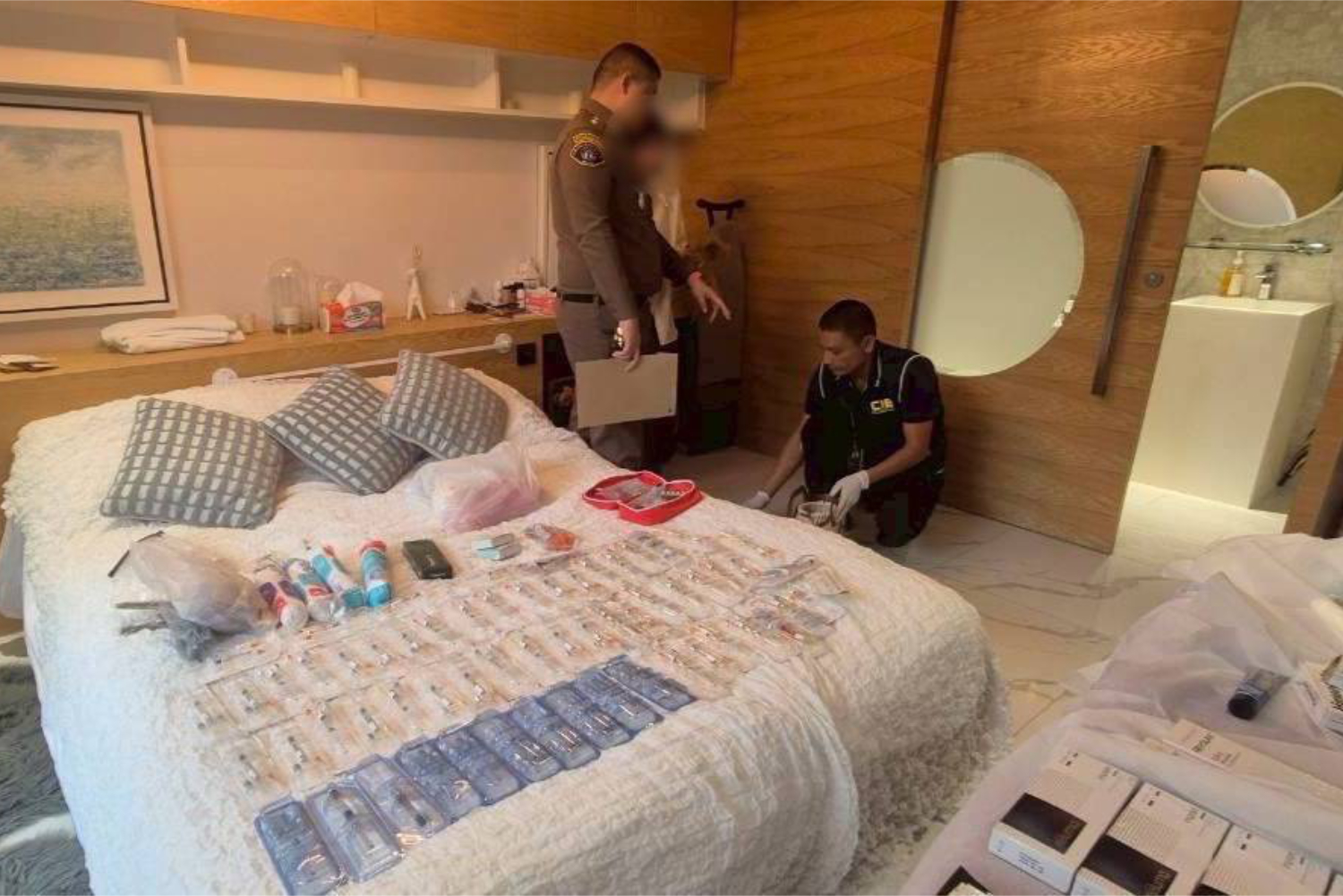
A 45-year-old Russian woman was arrested in Phuket, Thailand, on June 7, 2026, for allegedly operating an unlicensed cosmetic clinic from a private residence. The case highlights ongoing enforcement against illegal aesthetic services in Thailand, a key market for medical aesthetics supply chains, and underscores the importance of regulatory compliance for distributors and clinic buyers sourcing products in the region.
Raid and Seizure
Police raided a large house in Thalang district's Thepkasattri subdistrict after receiving a tip about a foreigner running an unlicensed beauty clinic. During the search, officers found a Thai woman on a treatment bed undergoing a cosmetic procedure. Medical products and equipment worth over 600,000 baht (approximately $17,000 USD) were seized, including collagen and lidocaine injections, syringes, needles, gloves, and used medical waste.
Regulatory Violations
The suspect, identified only as Kristine, failed to present any medical licenses and admitted to importing some medicines and supplies from Russia through an airport. She was charged with illegally operating a medical facility and selling unregistered medical products. Notably, authorities found nimesulide granules, a prescription NSAID banned in Thailand due to severe liver toxicity risks, highlighting the dangers of unregulated product sourcing.
Enforcement Context
Pol Maj Gen Phatthanasak Bubphasuwan, commander of the Crime Suppression Division, confirmed the arrest and seizure. The case reflects Thailand's strict enforcement against unlicensed cosmetic services, which poses risks for buyers and distributors of aesthetic devices and injectables. Compliance with local regulations is critical for supply-chain participants to avoid legal and reputational damage.
What Buyers Should Watch
Importers and distributors of medical aesthetics products in Thailand should verify that all devices, injectables, and consumables are registered with the Thai FDA. Sourcing from unverified channels, especially via personal imports, can lead to seizure, legal action, and patient safety risks. This case reinforces the need for due diligence when supplying clinics or practitioners in the region.
Source: Read the original report | Published: June 07, 2026