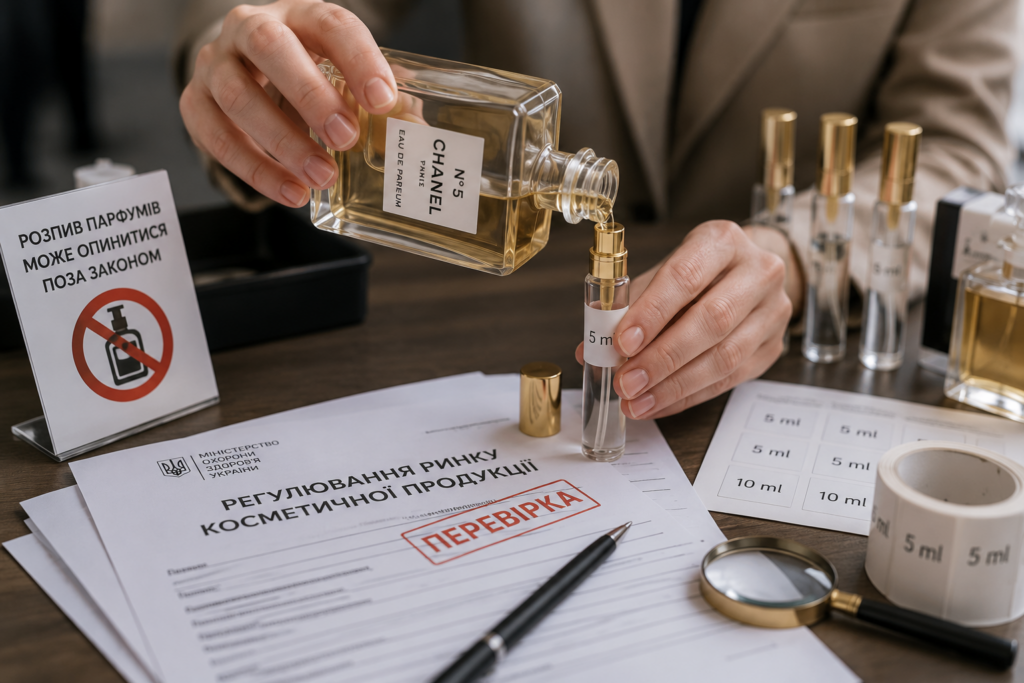
Ukraine’s cosmetic market faces a major regulatory shift on August 3, 2026, when the EU-aligned Technical Regulation on Cosmetic Products takes full effect. For overseas suppliers and distributors serving Ukrainian clinics, beauty salons, and retail channels, this means banned ingredients, stricter compliance for new products, and potential disruption to perfume decanting practices. Understanding these changes is critical for maintaining market access and avoiding supply chain bottlenecks.
Key regulatory deadline and scope
The two-year transition period ends August 3, 2026, making the Technical Regulation mandatory for all cosmetic products newly placed on the Ukrainian market. The rules apply to products sold through retail chains, pharmacies, online stores, aesthetic medicine clinics, beauty salons, and hospitality venues. Products legally placed on the market before the deadline can be sold until their expiration date, but new entries must fully comply.
Banned ingredients: 1,600+ substances removed
The regulation expands the prohibited ingredients list nearly fourfold compared to previous national rules, now exceeding 1,600 substances. Key bans include:
- **Isotretinoin**: Banned in cosmetics due to teratogenic risks; now classified as a pharmaceutical. - **Minoxidil and derivatives**: Excluded from cosmetic regulation due to cardiovascular side effects. - **Antibiotics and corticosteroids**: Prohibited in acne or anti-inflammatory cosmetics because of resistance and hormonal risks. - **Trichloroacetic acid (TCA)**: Banned in consumer cosmetics; allowed only under professional medical supervision.
- **Benzene**: A proven carcinogen, banned entirely with strict residual trace controls.
What buyers should watch: compliance for new products
From August 3, 2026, any cosmetic product entering Ukraine for the first time must meet the Technical Regulation’s requirements, including designation of a Responsible Person, a Product Information File (PIF), notification, and full labeling. The decisive factor is the date of market placement, not manufacture. Products manufactured before the deadline but first sold after it must comply. Distributors should verify documentation for existing stock and ensure new shipments meet EU-aligned standards.
Regulatory and channel signals: perfume decanting at risk
The perfume retail segment faces disruption. The regulation requires each unit to have a Responsible Person, PIF, notification, and full labeling. Decanting perfumes into atomizers—common in Ukrainian retail—is considered product alteration, making the seller the Responsible Person with full manufacturer obligations. This may force changes in distribution models for imported fragrances.
Sourcing context
Suppliers exporting to Ukraine should align with EU cosmetic regulations to ensure seamless market access after August 2026. The ban on ingredients like isotretinoin, minoxidil, and TCA in consumer products may shift demand toward professional-grade alternatives. Distributors should audit their product portfolios and documentation to avoid removal from shelves.
Source: Read the original report | Published: June 12, 2026