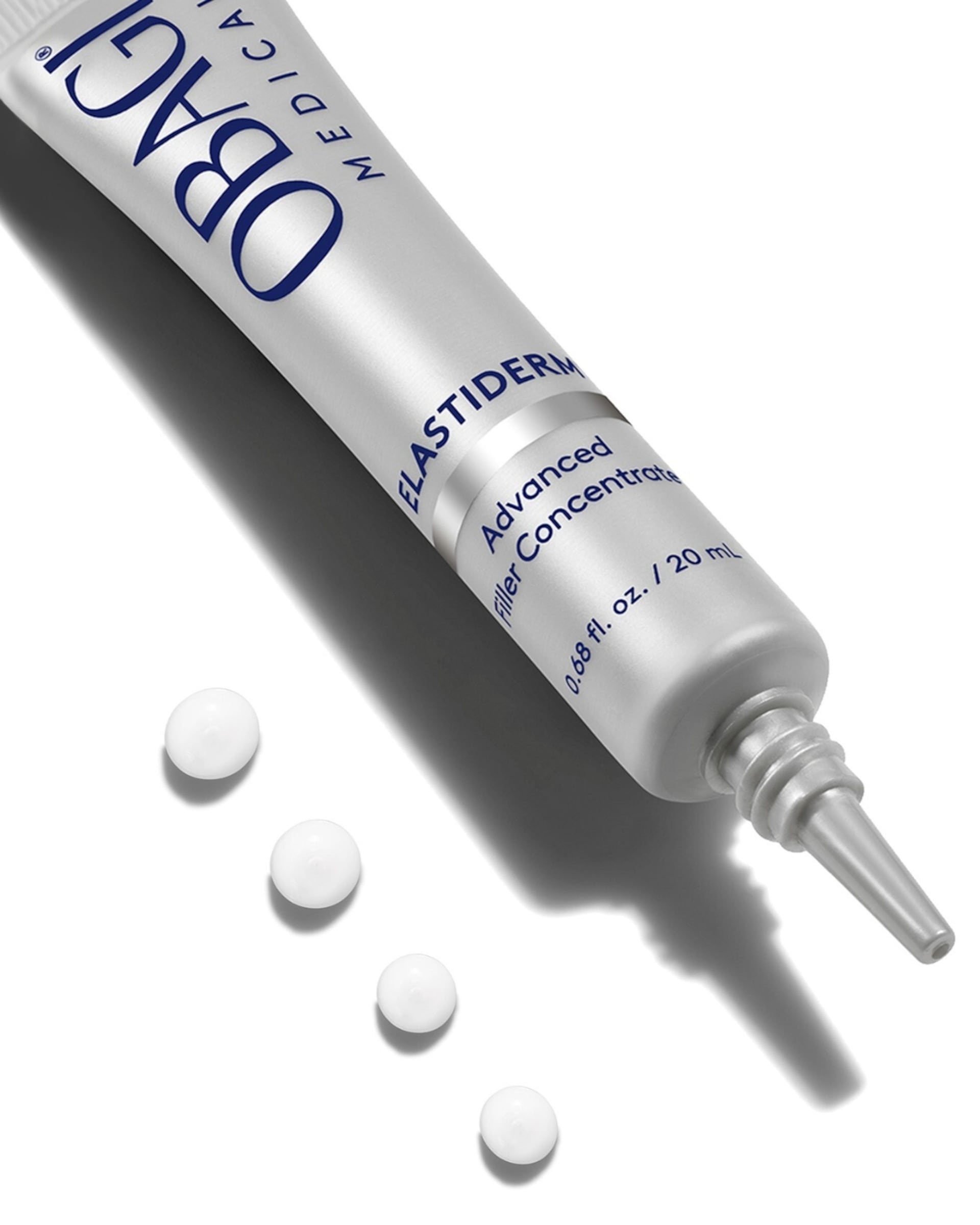
UK investment firm Bridgepoint Group has agreed to acquire Obagi Medical from Waldencast for $460 million, signaling a major consolidation play in the clinical skincare and medical aesthetics supply chain. The deal, announced on Monday, strengthens Bridgepoint's position in the fast-growing physician-dispensed skincare segment, following its 2023 purchase of dermal filler and device maker Laboratoires Vivacy and the 2024 addition of dermatologist-backed brand Roc. For overseas distributors and clinic buyers, this merger creates a combined portfolio of injectables, topical skincare, and medical devices that could reshape procurement options in the professional channel.
Deal structure and leadership changes
Under the agreement, Waldencast co-founders Michel Brousset and Hind Sebti will leave the conglomerate to form a new strategic commercial partnership with Bridgepoint, which also includes Vivacy. Waldencast will remain a public company, with chairman Felipe Dutra leading the business in the interim. Milk Makeup will stay as Waldencast's sole asset, led by president and co-founder Mazdack Rassi. The transaction is expected to close in the second half of 2025, subject to regulatory approvals.
Waldencast's strategic pivot
Waldencast went public via SPAC in 2021 and acquired Obagi and Milk Makeup in a $1.2 billion merger a year later. Despite Obagi's strong brand recognition, the company faced out-of-stock issues and a reduced distribution network. To address balance sheet concerns, Waldencast sold the Obagi license in Japan to Rohto Pharmaceuticals for $82.5 million in November 2024. As of late May 2025, Waldencast's market capitalization stood at just $157.7 million, while Obagi generated roughly $200 million in net sales—making the brand significantly more valuable than the parent company.
Clinical skincare market opportunity
Bridgepoint's head of healthcare Fabrice Turcq described physician-dispensed skincare as "one of the fastest-growing segments of the dermatology and aesthetics market." The acquisition positions Bridgepoint to compete with L'Oréal, which dominates the clinical skincare space through brands like SkinCeuticals, La Roche-Posay, and its 20% stake in Galderma. Other beauty conglomerates such as Estée Lauder, Puig, and Coty have yet to build comparable portfolios, while pharma players like AbbVie (Botox) and Merz Aesthetics (Xeomin) lack the direct-to-consumer marketing approach of beauty rivals.
Product portfolio synergies for buyers
Approximately 25% of Obagi's business requires a prescription, with the remainder sold through doctor's offices or e-commerce. By combining Obagi's clinical skincare with Vivacy's injectable portfolio—including Stylage hyaluronic acid filler, Novuma biostimulator, Rejuran PDRN skin-booster, and Desiral intimate-area HA fillers—Bridgepoint can offer professional channels a broader range of products. This integration mirrors L'Oréal's strategy of bridging beauty and pharmaceuticals, potentially giving clinics and distributors a one-stop solution for both topical and injectable aesthetic treatments.
What buyers should watch
For overseas importers and clinic buyers, the Bridgepoint-Obagi-Vivacy combination may lead to revised distribution agreements, pricing structures, and product bundling options. The deal could also accelerate consolidation in the physician-dispensed skincare segment, prompting competitors to seek similar acquisitions. Distributors should monitor how Bridgepoint integrates the sales channels of Obagi and Vivacy, and whether new product launches or market expansions emerge from the combined R&D capabilities. The departure of Waldencast's founders from the conglomerate may also create partnership opportunities for buyers seeking direct relationships with the new Bridgepoint entity.
Source: Read the original report | Published: June 01, 2026